Fathima

  • Infertility: Definition, Types, Symptoms, Causes, Diagnosis, Prevention and Treatment

    Infertility: Definition, Types, Symptoms, Causes, Diagnosis, Prevention and Treatment

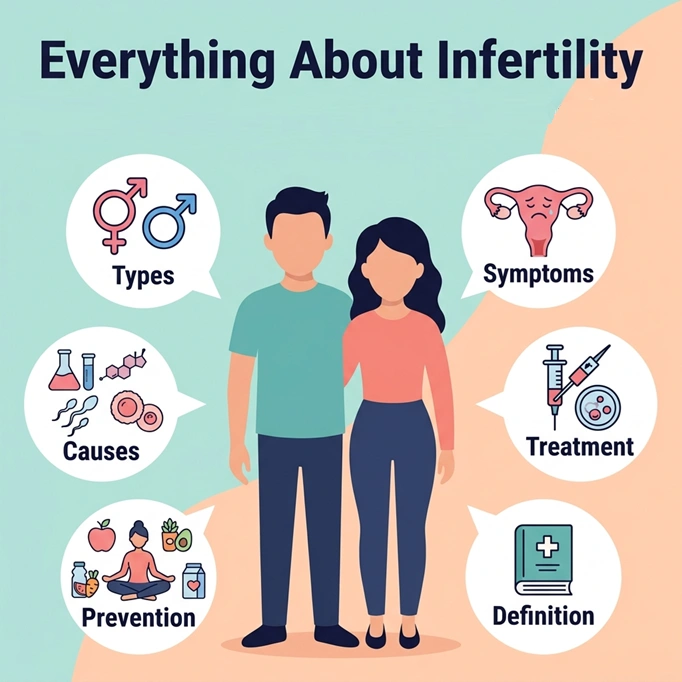
    Infertility refers to a reproductive disease that prevents a person or couple from achieving a successful pregnancy despite regular attempts. Infertility falls into distinct types, including primary infertility, secondary infertility, female infertility, male infertility, and unexplained infertility, each describing a different pattern of conception difficulty. The main symptoms include irregular menstrual cycles, pelvic pain, erectile dysfunction, low libido, and abnormal semen parameters, though many people with infertility have no obvious symptoms at all. 

    Causes of infertility range from ovulation disorders, tubal blockage, and endometriosis in women, to low sperm count, poor sperm motility, and hormonal imbalances in men, alongside shared risk factors like obesity, smoking, and chronic disease. Diagnosis typically combines a woman’s hormone profile, ultrasound, and tubal imaging with a man’s semen analysis and hormone testing to pinpoint the underlying cause. 

    Prevention of infertility centers on maintaining a healthy weight, avoiding tobacco and excess alcohol, treating infections early, and tracking ovulation, alongside checking with a doctor before problems become harder to reverse. Treatment options for infertility include lifestyle changes, medication, intrauterine insemination (IUI), in vitro fertilization (IVF), and intracytoplasmic sperm injection (ICSI), selected based on the specific cause identified during diagnosis for both men and women.

    What Is Infertility?

    Infertility is a reproductive disease defined by the clinical failure to achieve a successful pregnancy after 12 months of regular unprotected intercourse, or after 6 months for women over 35. According to the World Health Organization (WHO), “Infertility is a disease of the male or female reproductive system defined by the failure to achieve a pregnancy after 12 months or more of regular unprotected sexual intercourse.” Quoted by Dr. Vijay Eknath Takale a gynecologist and infertility specialist, “Infertility is defined as a couple who are trying for baby and having a regular sexual intercourse without using any protection for a year or more than that and still not able to conceive are labeled as infertile couples.”

    The main reasons behind infertility involve disruptions to ovulation, sperm production, or the structural integrity of the reproductive system that prevent conception from occurring. According to the World Health Organization’s comprehensive epidemiological review of global prevalence data, the worldwide burden of infertility affects approximately 17.5% of the adult population, impacting roughly 1 in 6 people globally across both high- and low-income countries.

    How Does Pregnancy Normally Occur?

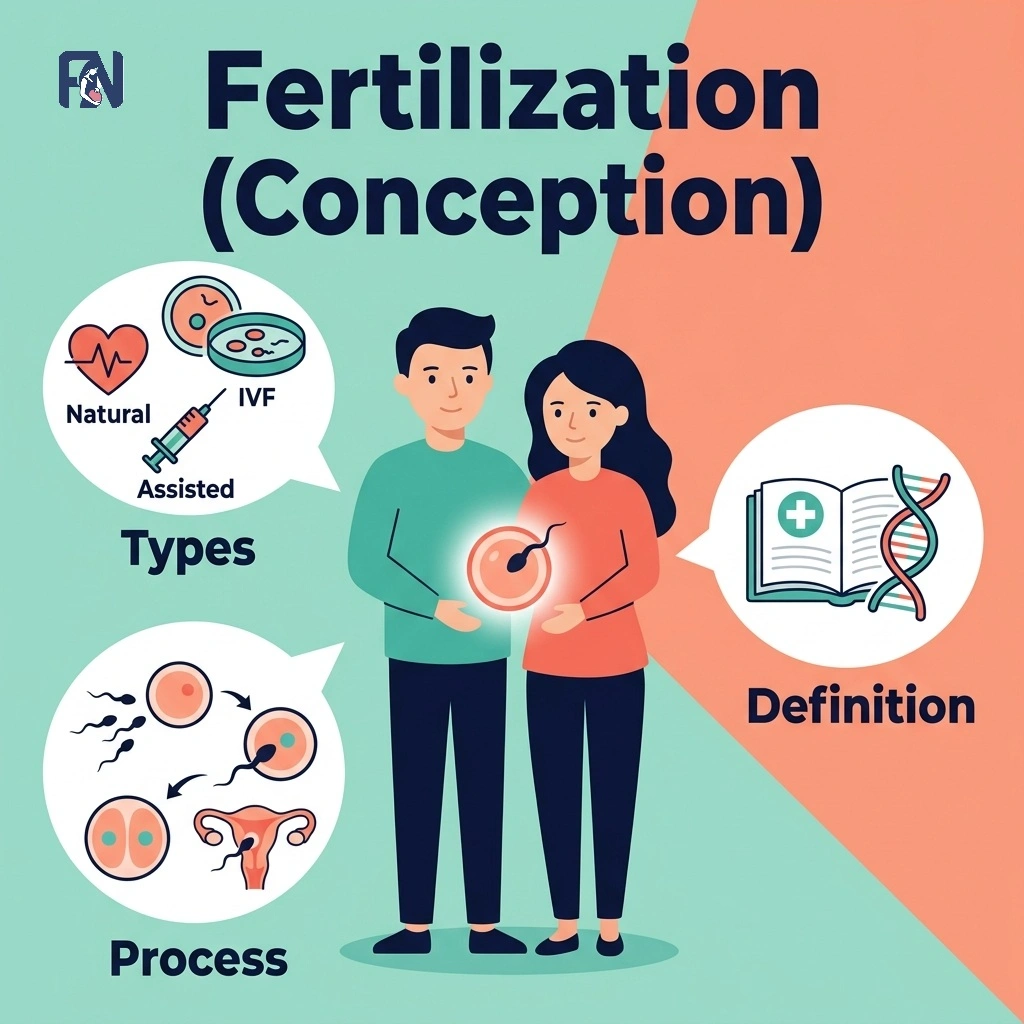
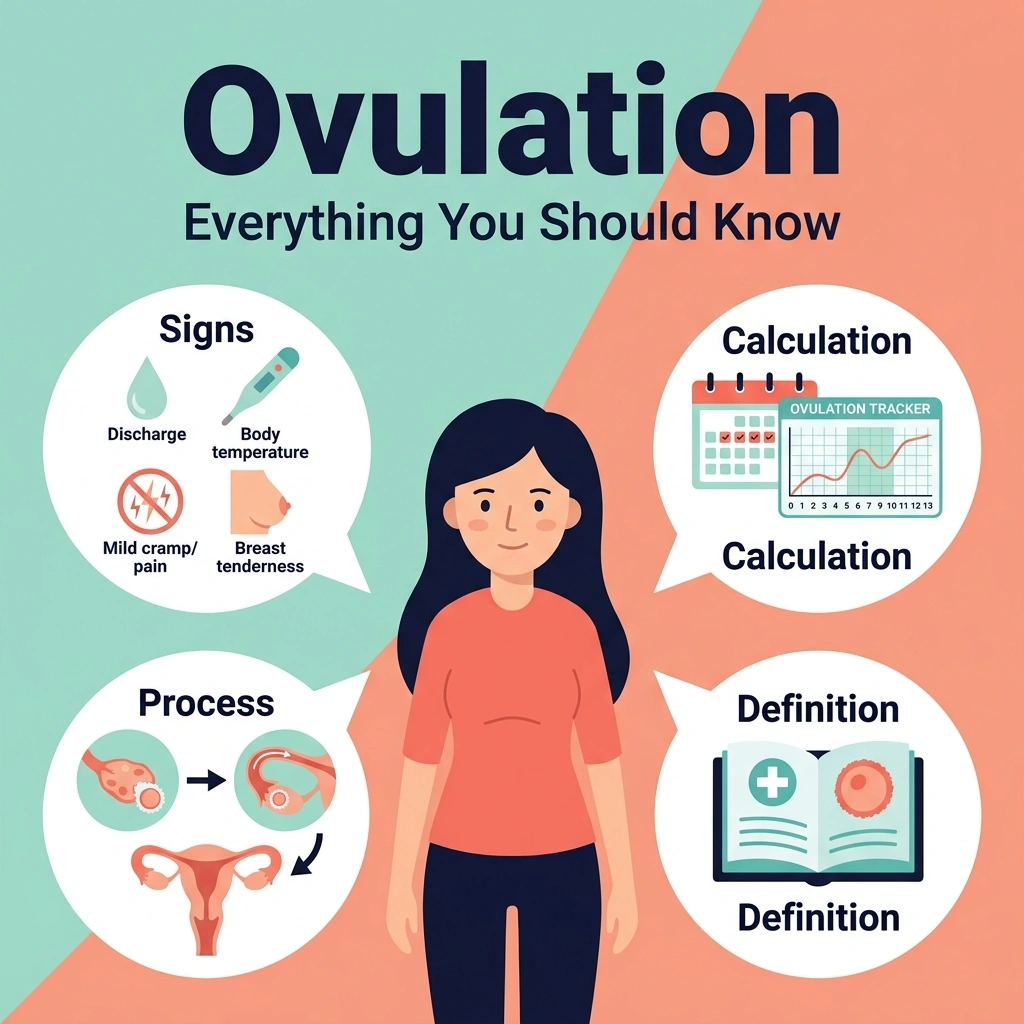
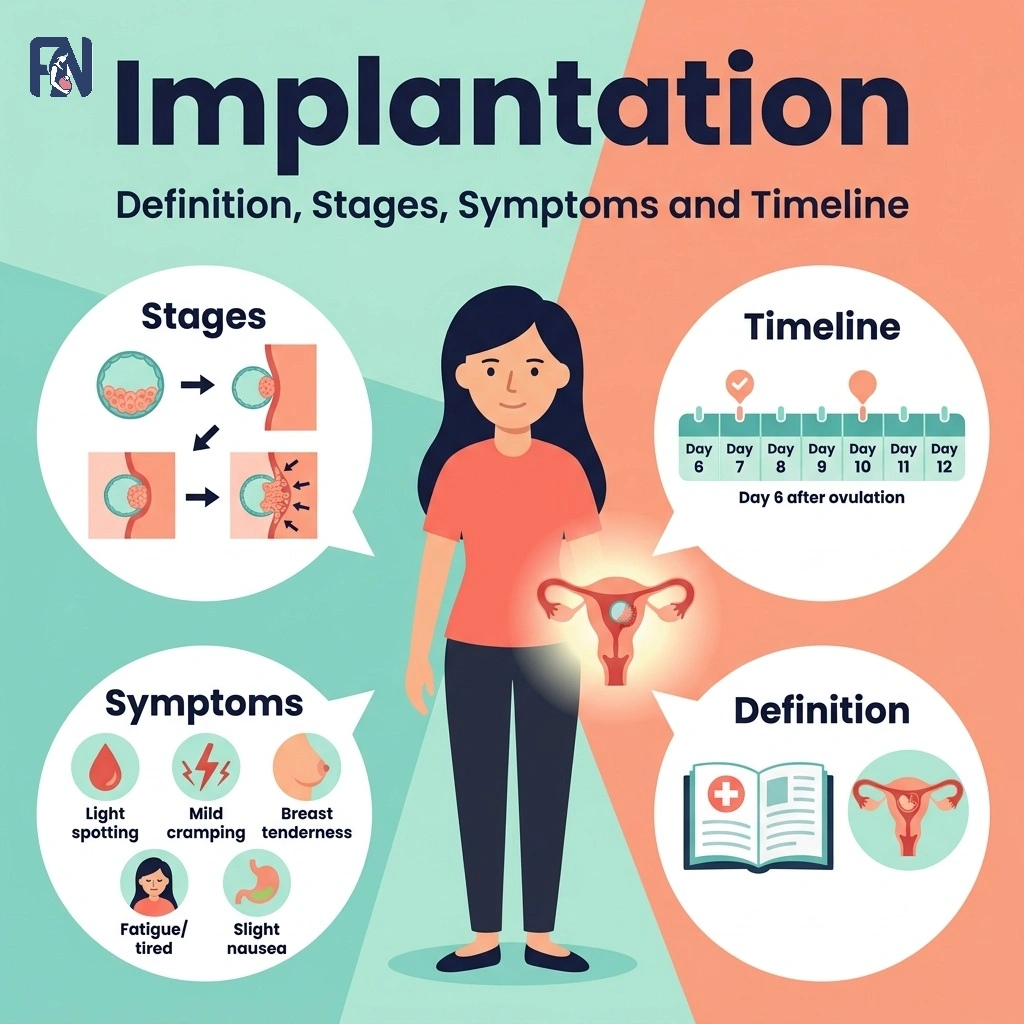
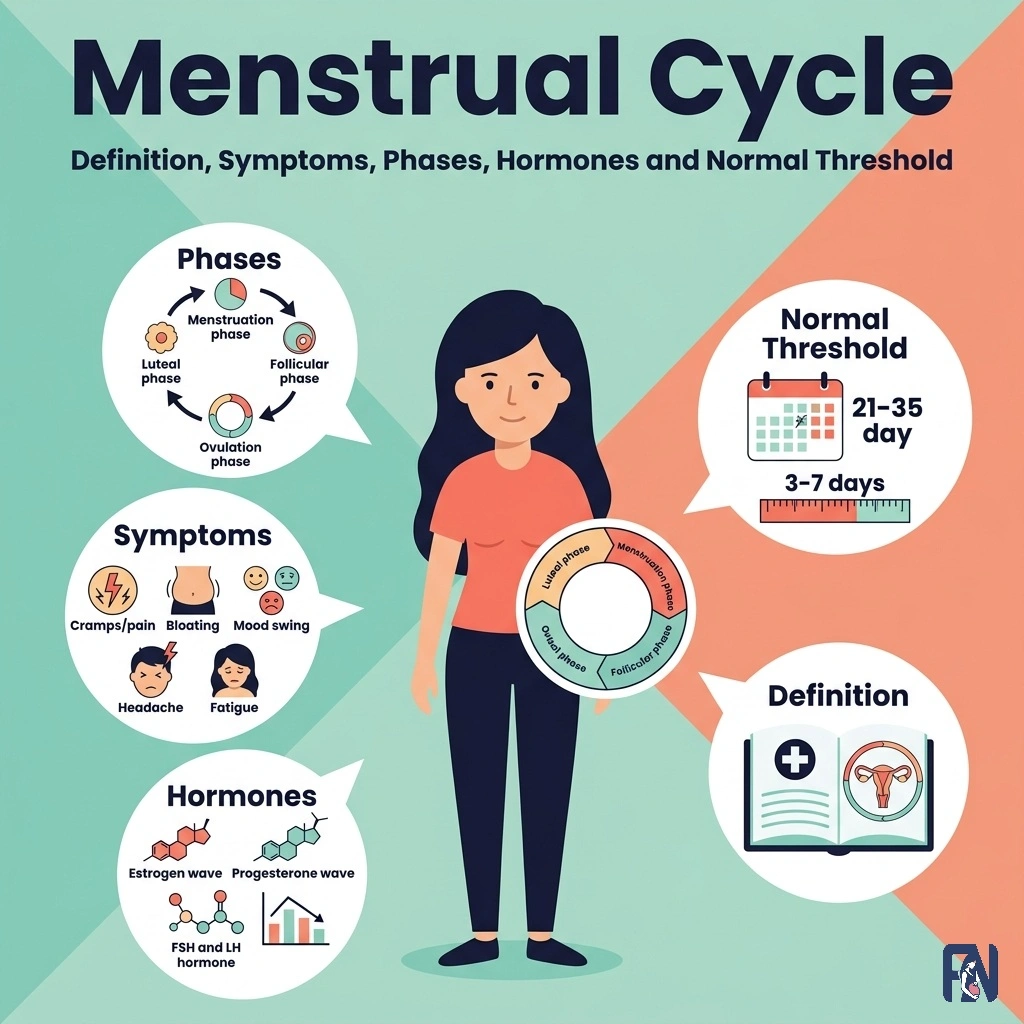
    Pregnancy normally occurs when a released egg is fertilized by sperm and the resulting embryo implants successfully in the uterine lining. Conception begins with ovulation, when a mature oocyte is released from the ovary roughly midway through the menstrual cycle. 

    Sperm deposited during intercourse travel through the anatomical pathways of the female reproductive tract to reach and fertilize the oocyte in the fallopian tube, forming an embryo that spends several days dividing as it travels toward the uterus. This entire process, including ovulation, fertilization, and implantation, is governed by precise hormonal regulation that rises and falls in step with each phase of the menstrual cycle.

    What is The Anatomy of the Reproductive System?

    The anatomy of the reproductive system comprises a network of internal and external organs, glands, and hormones that work together to enable human reproduction, and it differs structurally between males and females. In females, the ovaries store and release eggs, as well as produce reproductive hormones. The fallopian tubes carry eggs toward the uterus and are the usual site of fertilization. The uterus houses and nourishes a developing pregnancy. The cervix, vagina, and external genitalia (vulva) form the birth canal along with the protective outer structures. Together, these components form the anatomical basis for several types of infertility when any part malfunctions.

    In males, the testes produce sperm and testosterone inside the scrotum, which regulates temperature for healthy sperm development, while the epididymis matures sperm and the vas deferens transports it; the seminal vesicles and prostate gland contribute fluid to semen, and the urethra and penis deliver sperm during intercourse.

    What are The Types of Infertility?

    The types of infertility include primary infertility, secondary infertility, female infertility, male infertility, and unexplained infertility. 

    The types of infertility are listed below.

    • Primary Infertility: Primary infertility is the inability to achieve a first pregnancy despite at least 12 months of regular unprotected intercourse. It describes a couple who has never conceived a pregnancy, regardless of how long they have been trying. The cause may originate in either partner or result from a combination of factors affecting both.
    • Secondary Infertility: Secondary infertility refers to the inability to conceive again after a previous successful pregnancy, whether or not that pregnancy resulted in a live birth. It occurs when a couple who previously conceived, with the same or a different partner, is unable to conceive again after 12 months of trying. Underlying causes often include age-related decline, new reproductive conditions, or complications from a prior pregnancy or surgery.
    • Female Infertility: Female infertility is the inability to conceive or carry a pregnancy to term due to a condition affecting the female reproductive system. Female infertility commonly stems from ovulation disorders that prevent regular egg release, along with diminished ovarian reserve, structural problems in the uterus, or blockages in the fallopian tubes. These causes can act alone or in combination, which is why a full evaluation is usually needed to identify the source.
    • Male Infertility: Male infertility is the inability to conceive due to a problem with sperm production, function, or delivery in the male reproductive system. Male infertility typically involves sperm problems such as low count or poor movement, hormonal factors like abnormal testosterone levels, or structural testicular disorders that impair sperm development. Because sperm health can change over time, repeat testing is often part of confirming a male-factor diagnosis.
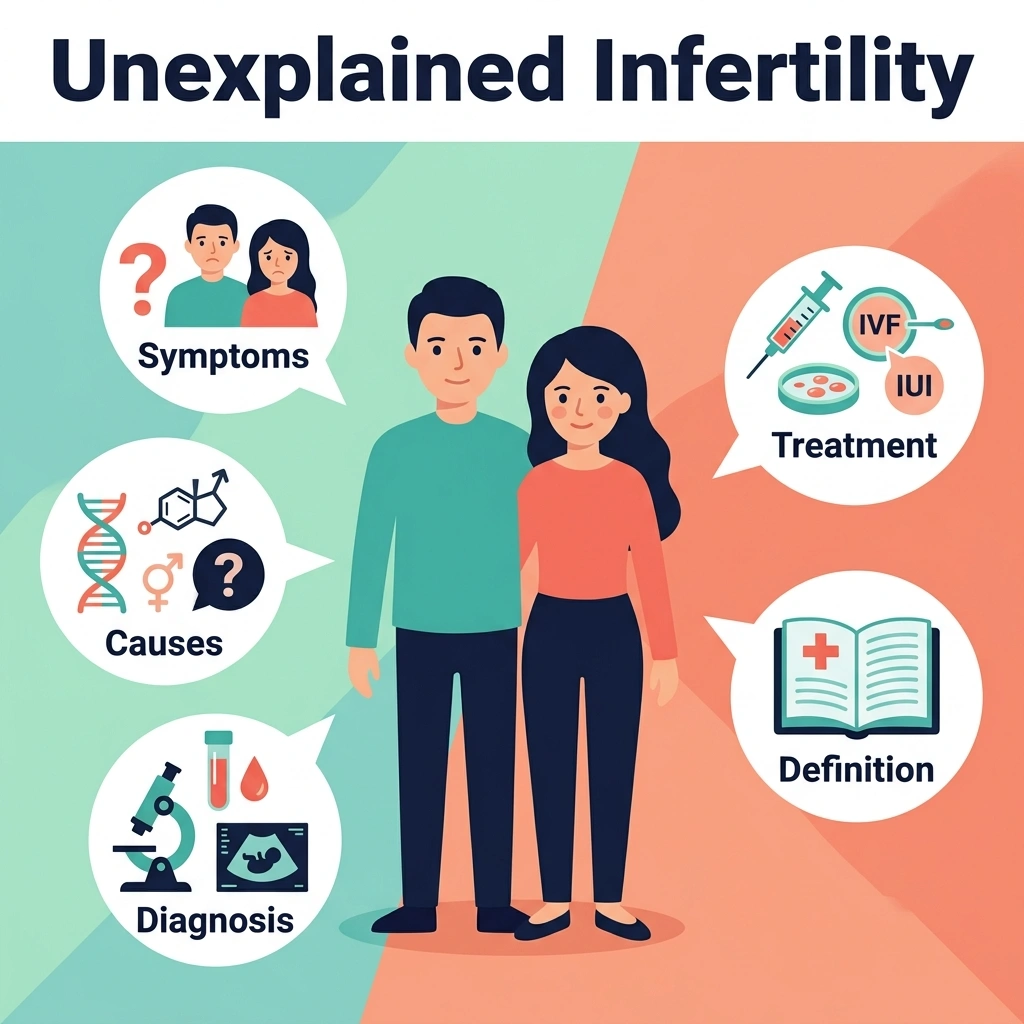
    • Unexplained Infertility: Unexplained infertility refers to a diagnosis given when a couple cannot conceive despite normal results across standard fertility testing. Unexplained infertility is typically diagnosed only after a full fertility evaluation rules out ovulation, tubal, uterine, and sperm-related causes, yet the couple still cannot conceive. In many of these cases, researchers believe subtle, hard-to-detect biological factors, such as egg or sperm quality issues not captured by standard tests, are responsible. This pattern is sometimes called idiopathic infertility, where symptoms are either absent or too subtle to detect.

    What are The Symptoms of Infertility?
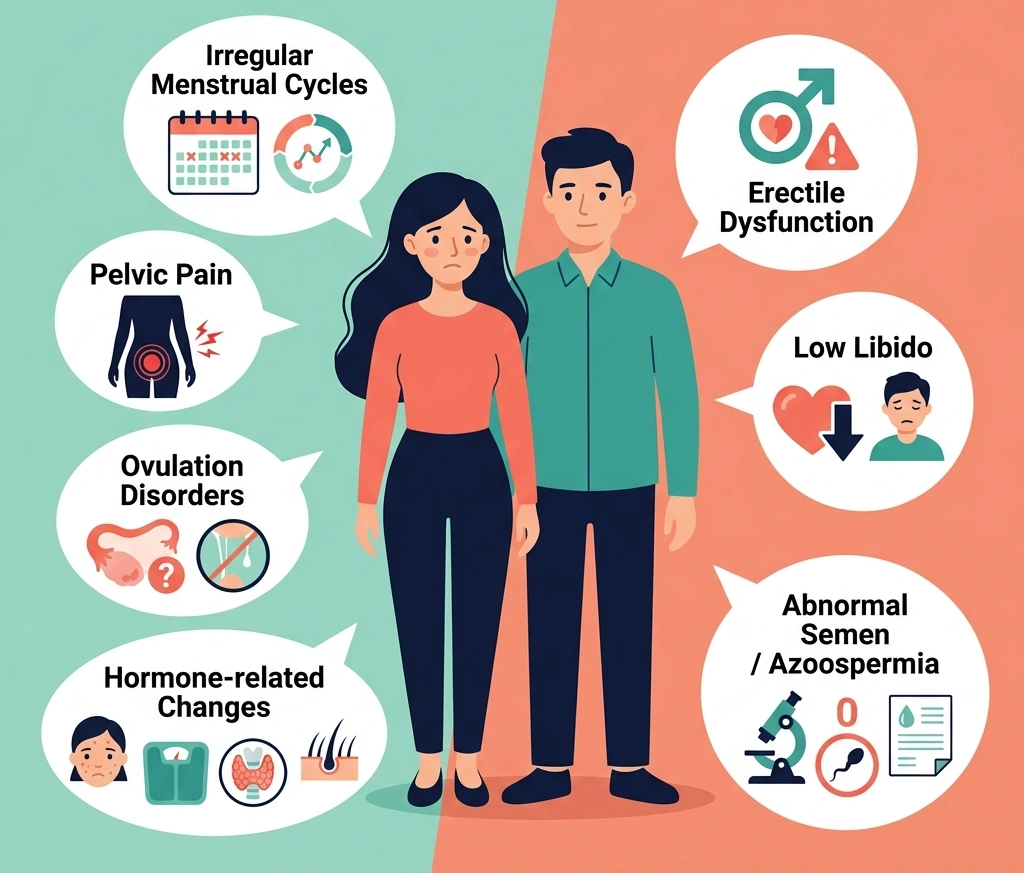
    What are The Symptoms of Infertility

    The symptoms of infertility include irregular menstrual cycles, pelvic pain, erectile dysfunction, low libido, and abnormal semen findings, though infertility can also be entirely symptom-free. 

    The symptoms of infertility are listed below.

    • Irregular Menstrual Cycles: Irregular menstrual cycles are one of the clearest infertility signs in women, since consistent ovulation typically produces a predictable cycle length. Cycles that are unusually short, long, or absent altogether often point to an underlying ovulation disorder. Tracking cycle length over several months is one of the simplest ways to flag a potential problem early.
    • Pelvic Pain: Pelvic pain that occurs outside of normal menstrual cramping can signal conditions such as endometriosis or pelvic inflammatory disease, both of which are linked to infertility. The pain may be constant or may flare specifically during intercourse or menstruation. Persistent pelvic pain should prompt an evaluation rather than being managed with pain relief alone.
    • Ovulation Disorders: Signs of an ovulation disorder include unpredictable cycle timing, minimal or absent cervical mucus changes, and the absence of typical mid-cycle ovulation symptoms. Because ovulation disorders are a leading cause of female infertility, these signs are often the first clue that prompts fertility testing. Hormone testing can usually confirm whether ovulation is occurring at all.
    • Erectile Dysfunction: Erectile dysfunction is the consistent inability to achieve or maintain an erection sufficient for intercourse. This can both cause and reflect underlying fertility problems in men. It frequently overlaps with hormonal imbalances, such as low testosterone, that also affect sperm production. Because it can stem from vascular, psychological, or hormonal causes, it usually warrants a broader health evaluation.
    • Low Libido: A noticeable and sustained drop in sexual desire can be an early infertility sign in both men and women, often tied to a hormone imbalance. In men, low libido frequently accompanies low testosterone, while in women it can reflect disruptions in estrogen or thyroid function. On its own, low libido is rarely diagnostic, but combined with other signs it strengthens the case for testing.
    • Abnormal Semen Findings (Azoospermia): Azoospermia is the complete absence of sperm in the ejaculate and is a symptom typically discovered only through semen analysis rather than through anything a man would notice on his own. It can result from a blockage in the reproductive tract or from a problem with sperm production itself, and distinguishing between the two changes the treatment path. Because there are no outward signs, semen analysis remains the only reliable way to detect it.
    • Hormone-related Changes: Visible hormone shifts, such as unexplained weight change, acne, or excess facial or body hair in women, or reduced muscle mass and fatigue in men, can point to a fertility-affecting hormonal disorder. These changes often develop gradually, making them easy to dismiss until a fertility evaluation connects the dots. Reporting them during a workup helps narrow down which hormone panel to run first.

    What Hormones Affect Fertility?
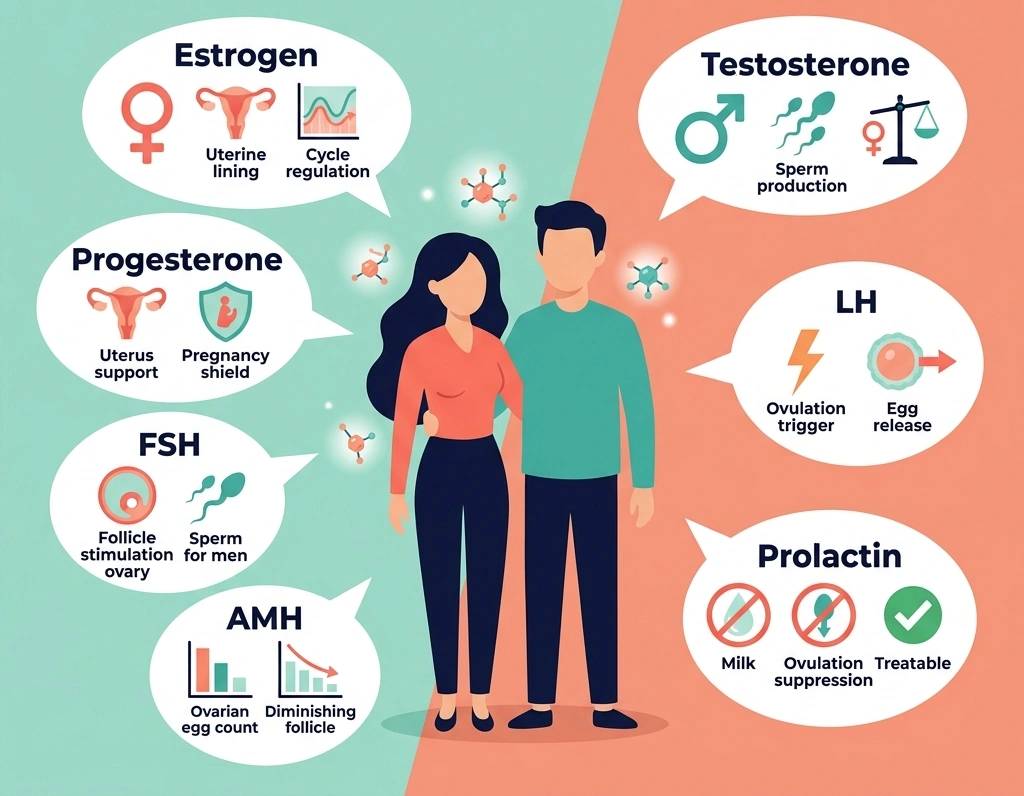
    What Hormones Affect Fertility

    The hormones that affect fertility include Estrogen, Progesterone, Testosterone, FSH, LH, AMH, and Prolactin.

    The hormones that affect fertility are listed below.

    • Estrogen: Estrogen is the primary female sex hormone responsible for regulating the menstrual cycle and preparing the uterine lining for implantation. Estrogen levels that are too high or too low can disrupt ovulation and reduce the chances of conception.
    • Progesterone: Progesterone is the hormone that maintains the uterine lining after ovulation to support a potential pregnancy. Insufficient progesterone can prevent implantation or lead to early pregnancy loss, even when fertilization occurs successfully.
    • Testosterone: Testosterone is the primary male sex hormone that drives sperm production and libido in men. In women, testosterone is present in smaller amounts, and either an excess or a deficiency in either sex can impair fertility.
    • FSH (Follicle-stimulating Hormone): FSH is the hormone that stimulates egg development in women and sperm production in men. Elevated FSH levels in women are often an early marker of declining ovarian reserve.
    • LH (Luteinizing Hormone): LH is the hormone responsible for triggering ovulation in women and stimulating testosterone production in men. An imbalanced LH surge can prevent egg release entirely, disrupting the timing needed for conception.
    • AMH (Anti-Müllerian Hormone): AMH is a hormone produced by ovarian follicles that serves as a reliable indicator of a woman’s remaining egg supply. Low AMH levels suggest a diminished ovarian reserve, which can narrow the window for natural conception.
    • Prolactin: Prolactin is a hormone primarily associated with milk production that can suppress ovulation when levels are abnormally elevated outside of pregnancy or breastfeeding. Excess prolactin is a treatable cause of irregular cycles and reduced fertility in both men and women.

    What are The Causes of Infertility?
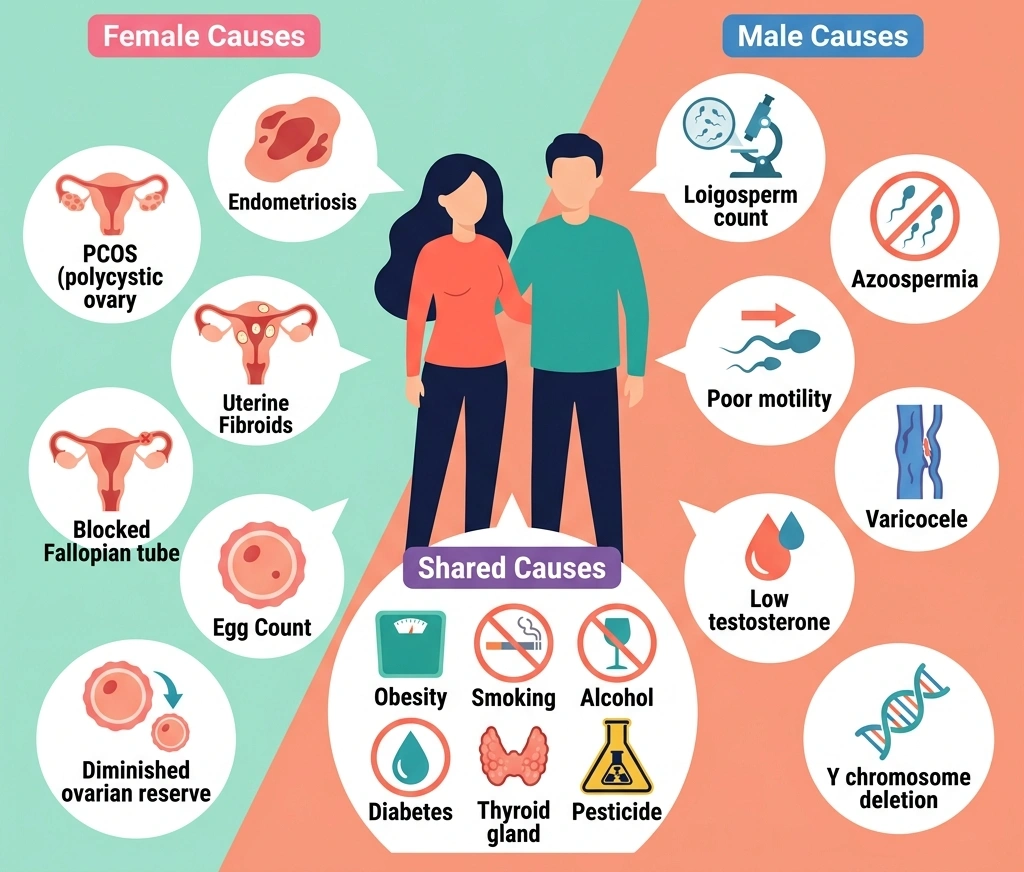
    What are The Causes of Infertility

    The causes of infertility include female reproductive conditions, male reproductive conditions, and a range of shared lifestyle and medical risk factors. 

    The common causes of infertility are listed below.

    • Female Causes: Female causes of infertility refer to reproductive-system conditions that prevent regular ovulation or block the path an egg must travel to be fertilized and implanted. This category includes PCOS, a hormonal disorder that commonly causes anovulation and irregular ovulation disorders; endometriosis, which inflames pelvic tissue and can scar the fallopian tubes; uterine fibroids, which distort the uterine cavity; and tubal blockage stemming from pelvic inflammatory disease or a prior infection. Additional contributors include diminished ovarian reserve and premature ovarian insufficiency, which reduce ovarian reserve over time, along with genetic conditions such as Turner syndrome and poor-quality cervical mucus that prevents sperm from reaching the fallopian tubes.
    • Male Causes: Male causes of infertility refer to conditions that impair sperm production, sperm function, or the physical delivery of sperm during intercourse. This category includes oligospermia, or low sperm count, and azoospermia, the complete absence of sperm, along with poor sperm motility (asthenozoospermia) and abnormal sperm morphology (teratozoospermia) that reduce a sperm’s ability to reach and fertilize an egg. Additional causes include varicocele, an enlarged scrotal vein that raises testicular temperature and impairs sperm quality; blockages in the epididymis or vas deferens that prevent sperm from being ejaculated; low testosterone and erectile dysfunction; and genetic conditions such as Y chromosome microdeletion and Klinefelter syndrome.
    • Shared Causes: Shared causes of infertility refer to lifestyle, medical, and environmental risk factors that reduce fertility in both men and women rather than affecting one reproductive system alone.  Lifestyle-related contributors include obesity, smoking, and heavy alcohol use, along with chronic conditions such as diabetes and thyroid disorders, all of which disrupt hormonal balance. Environmental and medical exposures, including oxidative stress, endocrine disruptors, pesticides, chemotherapy, and infections such as chlamydia, can damage reproductive tissue and impair fertility in either partner.

    What are The Risk Factors for Infertility?

    The risk factors for infertility are listed below.

    • Maternal Age: Advanced maternal age is one of the strongest predictors of infertility risk, since egg quantity and quality decline steadily with reproductive aging, especially after age 35.
    • Paternal Age: Advanced paternal age is linked to gradually declining sperm quality and a modestly higher infertility risk, even though male fertility declines more slowly than female fertility.
    • BMI: A body mass index (BMI) that is significantly above or below the healthy range can disrupt hormone levels and ovulation, raising infertility risk in both men and women.
    • Environmental Toxins: Exposure to environmental toxins such as pesticides, industrial chemicals, and heavy metals can interfere with hormone signaling and reduce fertility over time in both sexes.
    • Sexually Transmitted Infections: Untreated sexually transmitted infections, particularly chlamydia and gonorrhea, can cause scarring and blockage in the reproductive tract, making early diagnosis and treatment critical to preserving fertility.

    How Is Infertility Diagnosed?
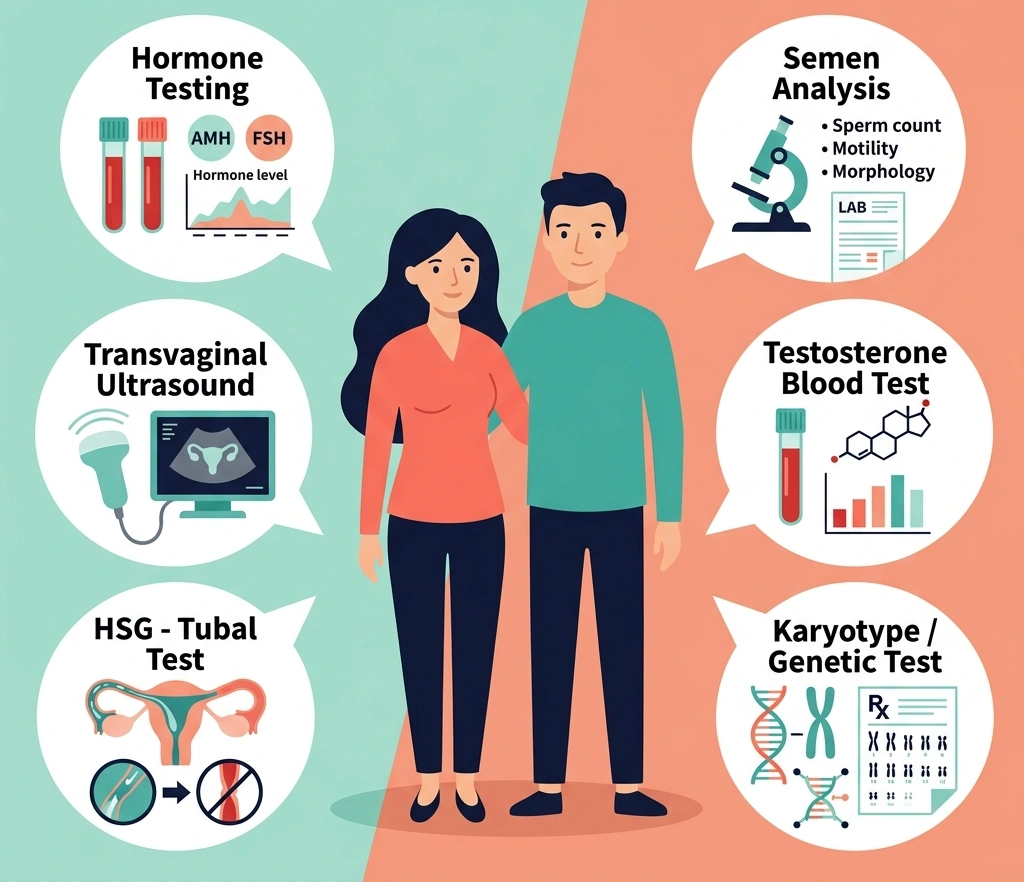
    How Is Infertility Diagnosed

    The methods followed to diagnose infertility include a combination of hormone testing, imaging, and semen analysis tailored to each partner. 

    The methods followed to diagnose infertility are listed below.

    • Female Diagnosis: Female diagnosis refers to the set of tests used to evaluate a woman’s ovarian reserve, hormone levels, and reproductive anatomy for signs of infertility. These evaluations typically include a hormone profile measuring AMH and FSH to estimate ovarian reserve, a transvaginal ultrasound to examine the ovaries and uterus, and hysterosalpingography to confirm whether the fallopian tubes are open.
    • Male Diagnosis: Male diagnosis refers to the set of tests used to evaluate a man’s sperm health and hormonal function for signs of infertility. The primary test is semen analysis, which measures sperm concentration, motility, and morphology, supported by blood testing for testosterone and, when a genetic cause is suspected, karyotype testing to guide early prevention and treatment decisions.

    How to Prevent Infertility?

    To prevent infertility, follow the tips listed below.

    • Maintain a Healthy Weight: Keeping BMI within a healthy range helps support stable ovulation and hormone balance in both men and women, lowering overall infertility risk.
    • Avoid Smoking and Alcohol: Both smoking and alcohol use are linked to reduced egg quality, lower sperm counts, and a higher risk of infertility over time.
    • Treat Infections Promptly: Getting sexually transmitted infections diagnosed and treated quickly helps prevent the scarring and blockages that can permanently affect fertility.
    • Manage Chronic Conditions: Keeping conditions such as diabetes and thyroid disorders well controlled protects the hormonal balance that ovulation and sperm production depend on.
    • Limit Environmental Toxin Exposure: Reducing contact with pesticides, industrial chemicals, and other endocrine disruptors where possible helps protect long-term reproductive health.
    • Track Ovulation and Cycle Patterns: Monitoring menstrual cycle regularity makes it easier to notice ovulation problems early, before they become harder to treat.
    • Check With a Doctor Early: Checking with a doctor as soon as a pattern of difficulty conceiving emerges, rather than waiting, gives the widest range of treatment options.

    When To See a Doctor for Infertility?

    You should see a doctor for infertility if you are under 35 and have not conceived after 12 months of trying, or 35 or older and have not conceived after 6 months. Immediate evaluation is also recommended for irregular menstrual cycles, recurrent miscarriage, known reproductive disorders, pelvic pain, or an abnormal semen analysis, since these signs suggest a specific cause worth addressing sooner. Seeing a doctor early widens the range of treatment options available and can shorten the overall path to a successful pregnancy.

    What Are the Best Treatments for Infertility in India?

    The best treatments for infertility in India include lifestyle changes, medications, IUI, IVF, ICSI, surgical treatments, and fertility preservation options such as egg and sperm freezing. 

    The best treatments for infertility in India are listed below.

    • Lifestyle Changes: Lifestyle changes are often the first recommendation for couples with mild or unexplained infertility. Doctors typically advise Lifestyle Changes involving weight management, smoking cessation, and reduced alcohol intake before moving to medical intervention.
    • Medications: Medications are prescribed to correct hormonal imbalances or stimulate ovulation in women with ovulation disorders. Common Medications include clomiphene citrate and gonadotropins, which are often used as a first-line treatment before considering assisted reproductive technology (ART).
    • IUI: IUI, or intrauterine insemination, places specially prepared sperm directly into the uterus around the time of ovulation to improve the chances of fertilization. IUI is generally recommended for mild male-factor infertility, unexplained infertility, or as an early step before IVF, at a lower cost range than more advanced procedures.
    • IVF: IVF, or in vitro fertilization, involves stimulating the ovaries, retrieving eggs, fertilizing them with sperm in a laboratory, and transferring the resulting embryo into the uterus. IVF combines egg retrieval and embryo transfer into a single treatment cycle and is the most widely used form of assisted reproductive technology (ART) for both female- and male-factor infertility.
    • ICSI: ICSI, or intracytoplasmic sperm injection, is a specialized form of IVF in which a single sperm is injected directly into an egg to achieve fertilization. ICSI is typically recommended for severe male infertility, including very low sperm count or poor sperm motility, when conventional IVF is unlikely to succeed.
    • Surgical Treatments: Surgical treatments correct physical blockages or structural abnormalities that prevent natural conception. Surgical Treatments commonly address tubal blockage, uterine fibroids, endometriosis, and varicocele repair in men.
    • Egg Freezing: Egg freezing preserves a woman’s eggs at their current quality for future use, typically before age-related decline or medical treatment affects them. Egg freezing is increasingly used both electively and medically, including before chemotherapy as part of Oncofertility planning.
    • Sperm Freezing: Sperm freezing preserves a sample of a man’s sperm for future use in IUI, IVF, or ICSI. Sperm freezing is commonly recommended before medical treatments that could affect fertility, or simply as a precaution before advancing age reduces sperm quality.
    • Oncofertility: Oncofertility is the specialized field focused on preserving fertility in patients about to undergo cancer treatment. Oncofertility typically combines egg freezing or sperm freezing with careful timing around chemotherapy or radiation to protect future fertility.

    How Much Does Infertility Treatment Cost in India?

    The cost of infertility treatment in India ranges from ₹1,50,000 to ₹3,00,000 depending on the diagnosis, treatment type, and number of cycles required. Initial consultations and diagnostic testing, including hormone panels and imaging, typically account for a smaller portion of the total and are usually billed separately before treatment begins. 

    Costs vary significantly by approach: medication-only cycles are the most affordable, IUI costs more due to the procedure itself, and IVF or ICSI represent the highest end of the range because of the lab work, monitoring, and embryo culture involved, a variation that generally tracks with each treatment’s success rate.

    What Is the Success Rate of Infertility Treatment in India?

    The success rate of infertility treatment in India is 35% to 60% per cycle, depending on the treatment type and the patient’s individual profile. Success rates vary meaningfully by age, underlying cause, and treatment type, with IVF and ICSI generally outperforming IUI for more complex cases, while younger patients see consistently higher rates across every treatment type. Early diagnosis and treatment generally improve outcomes, since delaying care often allows the underlying cause to progress and reduces the odds of success at every subsequent attempt.

    How to Find Quality Infertility Treatment in India?

    To find quality infertility treatment in India, prioritize clinics with transparent success rates, experienced specialists, and treatment plans matched to your specific diagnosis. It’s important to check accreditation, published success data by age group and treatment type, and clear, itemized treatment cost estimates before committing to a clinic. 

    Fertility Network helps infertility patients find quality and affordable fertility treatment options near them in India, connecting patients with vetted clinics based on their specific type of infertility, symptoms, and causes of infertility. Whether you’re pursuing early diagnosis after noticing early signs or exploring prevention strategies before problems develop, comparing verified options through Fertility Network makes it easier to choose the right infertility treatment with confidence.
  • Male Infertility: Definition, Symptoms, Causes, Prevention and Treatment

    Male Infertility: Definition, Symptoms, Causes, Prevention and Treatment

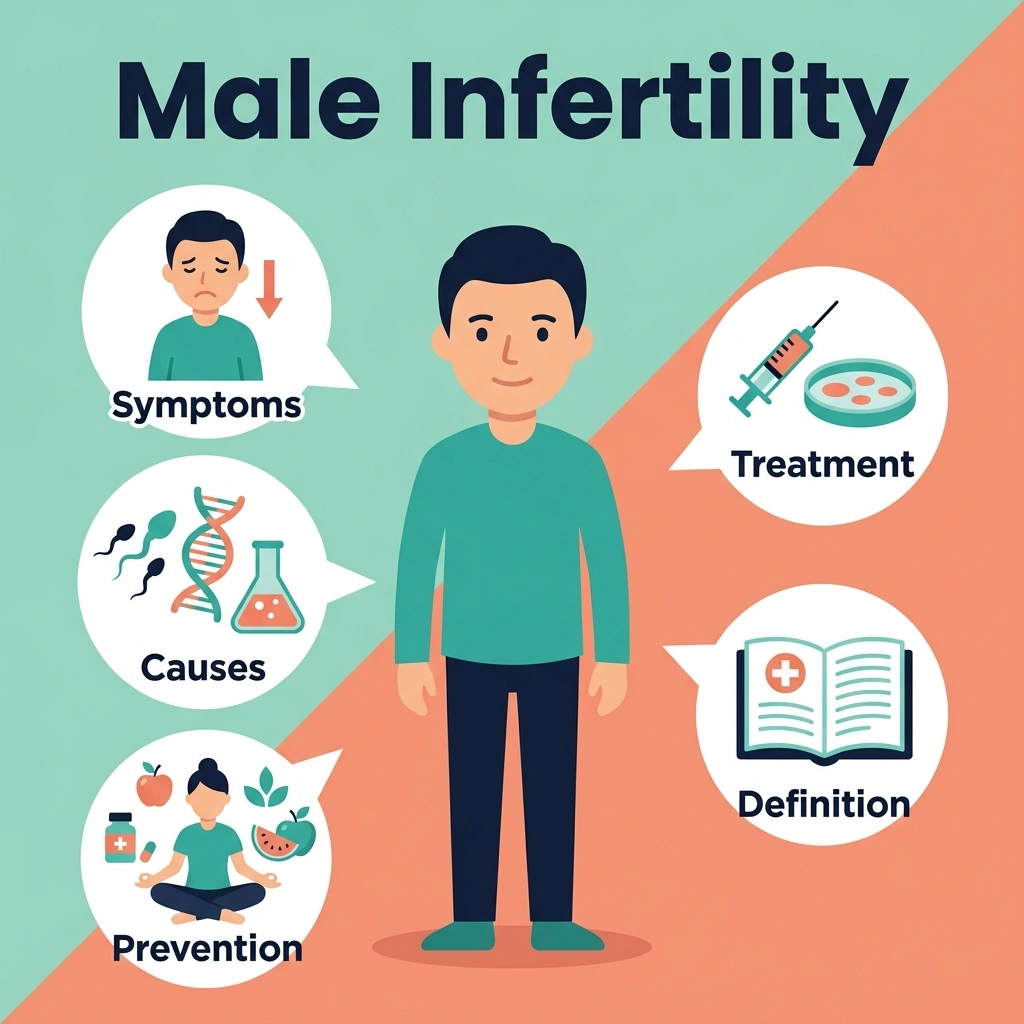
    Male infertility refers to a man’s inability to cause pregnancy in a fertile female partner despite regular unprotected intercourse. Symptoms of male factor infertility include reduced sperm count, sexual dysfunction, and hormonal changes such as low testosterone or gynecomastia. 

    Common causes of male infertility range from varicocele and genetic conditions to hormonal disorders, infections, and lifestyle factors like smoking and obesity. Treatment options include lifestyle modifications, hormone therapy, surgical correction, and assisted reproductive technologies such as IVF and ICSI.

    Choosing a qualified hospital or fertility center is essential for achieving the best outcomes. Fertility Network helps you find trusted, affordable male infertility treatment centers near you across India based on your location, clinical need, and budget.

    What Is Male Infertility?

    Male infertility, also known as male factor infertility, is a reproductive condition in which abnormalities in sperm production, function, or delivery prevent a man from fertilizing a female egg. According to the World Health Organization, approximately 15% of couples globally experience infertility, with male factor infertility accounting for nearly 50% of all cases. According to Dr Akhil Muthigi, an urologist and a male infertility specialist at Houston Methodist, “In previous years, it was thought that all infertility was due to female factors. However, in the last 10 to 15 years, we realized that up to 50% of infertility can be due to male factors. So it’s very important for both partners and a couple to be evaluated concurrently.”

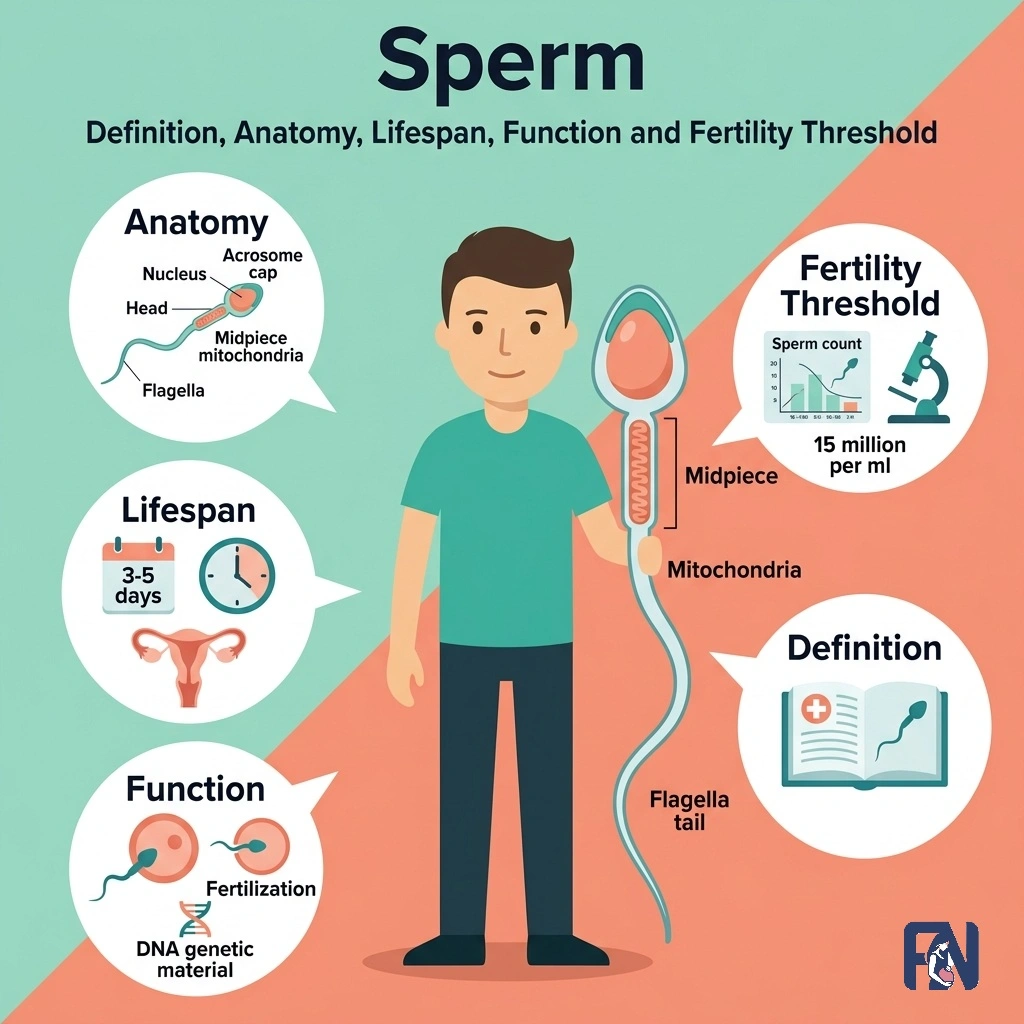
    Biologically, male fertility depends on normal spermatogenesis(the production of mature spermatozoa within the testicular tubules) and unobstructed sperm transport through the epididymis and vas deferens. Standard diagnostic settings rely on semen analysis interpreted against WHO criteria, assessing sperm concentration, total motility, and morphology. Conditions such as oligospermia (sperm count below 15 million/mL) and azoospermia (complete absence of sperm) are the most clinically significant findings. Testosterone levels and oxidative stress markers are evaluated alongside semen parameters to establish a complete picture. 

    The systematic clinical history of male factor infertility took shape in the early 20th century with the formalization of semen analysis as a reproductive diagnostic tool.

    What Is the History of Male Infertility?

    The history of male infertility dates back to ancient Egypt and Mesopotamia, where early texts first acknowledged the male role in reproductive failure. Scientific investigation accelerated in 1677 when Antonie van Leeuwenhoek observed spermatozoa under a microscope, and standardized semen analysis protocols emerged in the early 20th century. 

    The introduction of intracytoplasmic sperm injection (ICSI) in 1992 marked the most transformative clinical advance, while hormonal therapy protocols for hypogonadotropic conditions were refined during the same era. Although male factor was historically overlooked, it now accounts for 40–50% of all infertility cases according to the American Urological Association (AUA), driving equal diagnostic attention across all different types of infertility.

    What Are the Types of Male Infertility?

    The 3 main types of male infertility are listed below.

    • Pre-testicular Infertility: Pre-testicular infertility refers to conditions originating outside the testes that disrupt the hormonal signals governing spermatogenesis. It occurs when the hypothalamic-pituitary axis fails to secrete adequate FSH and LH, impairing sperm production despite structurally normal testes. Symptoms typically mirror those of systemic hormonal deficiency rather than localized reproductive pathology.
    • Testicular Infertility: Testicular infertility refers to impaired sperm production caused directly by structural or functional damage within the testes themselves. Conditions such as Klinefelter syndrome, prior orchitis, and testicular torsion damage Sertoli and Leydig cells, resulting in severely reduced or absent sperm output alongside measurable symptoms like testicular atrophy.
    • Post-testicular Infertility: Post-testicular infertility refers to conditions that impair sperm transport or ejaculation after normal spermatogenesis. Vas deferens obstruction, ejaculatory duct blockage, or retrograde ejaculation prevents viable sperm from reaching the female reproductive tract, producing azoospermia symptoms despite intact testicular function.

    What Are the Symptoms of Male Infertility?

    The symptoms of male infertility include early warning signs, physical abnormalities, sexual dysfunction, and hormonal disturbances that can impair sperm production, sperm delivery, or reproductive function.

    The symptoms of male infertility are listed below.

    Early Symptoms: Early symptoms of male infertility are initial reproductive or physiological changes that may indicate impaired sperm production, sperm function, or fertilization capability. Early symptoms of male infertility include inability to conceive, reduced semen volume, testicular pain, swelling in the scrotal region, gynecomastia, and signs of increased oxidative stress affecting sperm health.

    These symptoms occur because abnormalities in sperm generation, reproductive tract function, or cellular oxidative balance can reduce the ability of sperm to reach and fertilize an egg. In many men, the inability to conceive is the first noticeable sign because sperm abnormalities often develop without obvious physical symptoms.

    Physical Symptoms: Physical symptoms of male infertility are structural or anatomical abnormalities affecting the testes, scrotum, or reproductive tract. Physical symptoms of male infertility include varicocele, testicular atrophy, cryptorchidism, hydrocele, and other structural abnormalities that interfere with normal reproductive function.

    These symptoms develop because physical defects can disrupt testicular temperature regulation, blood circulation, hormone production, or sperm transport pathways. Such biological disruptions may damage sperm-producing tissues or prevent sperm from being effectively delivered during ejaculation.

    Sexual Symptoms: Sexual symptoms of male infertility are reproductive or sexual function disturbances that reduce the likelihood of successful conception. Sexual symptoms of male infertility include erectile dysfunction, low libido, ejaculatory disorders, retrograde ejaculation, and premature ejaculation.

    These symptoms occur because hormonal deficiencies, neurological disorders, vascular dysfunction, or abnormalities of the reproductive tract can impair erection quality, sexual desire, or the proper release of semen. As a result, sperm delivery during intercourse may become less effective.

    Hormonal Symptoms: Hormonal symptoms of male infertility are manifestations of endocrine dysfunction that affect sperm production and male reproductive health. Hormonal symptoms of male infertility include testosterone deficiency, FSH elevation, LH imbalance, gynecomastia, reduced facial hair growth, and symptoms that are sometimes mistaken for erectile dysfunction.

    These symptoms arise because reproductive hormones regulate sperm production, sexual development, and testicular function. Disruptions in testosterone, follicle-stimulating hormone (FSH), or luteinizing hormone (LH) can impair spermatogenesis and alter secondary male characteristics.

    What Is the Difference Between Male Factor Infertility and Erectile Dysfunction?

    The difference between male infertility and erectile dysfunction is that male infertility concerns abnormalities in sperm production, quality, or delivery, while erectile dysfunction involves the inability to achieve or maintain an erection sufficient for intercourse. 

    Physiologically, male infertility originates in spermatogenesis or reproductive tract function, whereas erectile dysfunction primarily involves disrupted vascular, neurological, or psychological mechanisms governing penile blood flow. Male infertility is sometimes misunderstood as sterility, which further compounds diagnostic delay.

    What Is the Difference Between Male Factor Infertility and Sterility?

    The difference between male infertility and sterility is that infertility describes a reduced or impaired ability to reproduce that may be treatable, while sterility refers to a permanent and absolute inability to conceive under any circumstances. 

    Scientifically, infertility indicates a reversible or manageable deficit in sperm parameters or reproductive tract function, whereas sterility denotes irreversible reproductive failure with no viable sperm available even through surgical retrieval. Knowing the causes of men’s infertility early is therefore clinically significant, as timely intervention frequently prevents a correctable condition from progressing into permanent, untreatable sterility.

    What Are the Causes of Male Factor Infertility?

    The causes of male infertility include varicocele, hormonal disorders, genetic conditions, infections, ejaculatory disorders, lifestyle factors, advanced age, and environmental toxin exposure. 

    The causes of male infertility are listed below.

    • Varicocele: Varicocele refers to the abnormal dilation of testicular veins within the scrotum. According to epidemiological reviews published on PubMed Central (PMC), a varicocele is present in roughly 15% of the general male population but jumps to 35% to 40% among men undergoing evaluation for primary infertility. It impairs spermatogenesis by chronically elevating scrotal temperature, accelerating oxidative stress within the testicular microenvironment, and reducing testosterone biosynthesis through sustained venous congestion.
    • Hormonal Disorders: Hormonal disorders refer to disruptions in the hypothalamic-pituitary-gonadal axis that reduce FSH and LH signaling, impairing testosterone production and spermatogenesis at the cellular level. Conditions such as hypogonadotropic hypogonadism are not uncommon and are identified through a combination of serum hormone panels and clinical evaluation.
    • Genetic Conditions: Genetic conditions refer to inherited or spontaneous chromosomal abnormalities, including Y-chromosome microdeletions, Klinefelter syndrome (47, XXY), and CFTR gene mutations, that directly impair sperm production or structure. High levels of DNA fragmentation in sperm are a recognized consequence of underlying genetic pathology and are an underdiagnosed contributor to failed fertilization.
    • Infections: Infections refer to bacterial, viral, or sexually transmitted pathogens that cause reproductive tract inflammation, including epididymo-orchitis, prostatitis, and orchitis secondary to mumps. They impair spermatogenesis through direct germinal epithelial damage, elevated oxidative stress, and the formation of obstructive scar tissue in sperm-conducting ducts.
    • Ejaculatory Disorders: Ejaculatory disorders refer to functional abnormalities such as retrograde ejaculation, anejaculation, and obstructive ejaculatory duct pathology that prevent normal sperm delivery. Neurological damage from diabetes, prior pelvic surgery, and endocrine disruptors are established causes requiring specialized sperm retrieval approaches in clinical management.
    • Lifestyle Factors: Lifestyle factors refer to modifiable behavioral contributors, including obesity, tobacco use, excessive alcohol intake, anabolic steroid abuse, and chronic psychological stress, that collectively impair spermatogenesis. These act by elevating scrotal temperature, disrupting endocrine signaling, and generating systemic oxidative stress that damages sperm DNA integrity over time.
    • Age: Age refers to the progressive, clinically measurable decline in sperm quality, count, and DNA integrity associated with advancing paternal age, typically becoming significant after 40. Older men demonstrate reduced testosterone levels, elevated DNA fragmentation rates, and diminished semen volume, all of which reduce fertilization potential and increase the risk of genetic errors in offspring.
    • Environmental Toxins: Environmental toxins refer to industrial chemicals, pesticides, heavy metals, and endocrine disruptors, including phthalates, bisphenol A, and lead, that interfere with testosterone synthesis and spermatogenesis at molecular and cellular levels. Occupational exposure to such compounds is not uncommon in India’s manufacturing and agricultural sectors and warrants specific evaluation during fertility workups.

    Is Male Infertility Common?

    Yes, male infertility is common because it contributes to nearly half of all infertility diagnoses globally. According to a 2017 meta-analysis published in Human Reproduction Update, sperm concentrations among men in Western regions declined by 52.4% between 1973 and 2011.

    At What Sperm Count Does Male Infertility Occur?

    Male infertility is typically diagnosed at sperm counts below 15 million per milliliter due to insufficient sperm density for reliable natural fertilization under WHO reference values. Oligospermia (less than 15 million/mL) and azoospermia (no measurable sperm) are the primary thresholds affecting clinical diagnosis. 

    Early clinical signs of impaired fertility appear before these thresholds, particularly when total motility falls below 40% or abnormal morphology exceeds 96% of cells, confirming that count alone does not fully determine reproductive outcome.

    How Does Male Infertility Affect a Person?

    The ways male infertility affects a person are listed below.

    • Reproductive Impact: Male infertility prevents natural conception, creating a long-term dependence on medically assisted reproduction to achieve pregnancy.
    • Psychological Effects: Infertility diagnosis produces lasting anxiety, depression, and diminished self-esteem, particularly in social contexts where male fertility carries significant cultural weight.
    • Relationship Strain: Prolonged infertility generates lasting tension within partnerships, affecting physical intimacy, emotional communication, and shared future planning.
    • Hormonal and Systemic Health: Underlying causes such as testosterone deficiency produce long-term systemic consequences, including reduced bone density, cardiovascular risk, and metabolic dysfunction.
    • Financial Burden: Treatment cycles involving IVF, ICSI, or sperm retrieval procedures carry a lasting cumulative cost that extends over months to years of active medical management.

    How Long Does Male Infertility Last?

    Male infertility can last between 70 and 90 days, depending on the underlying cause and the timing of appropriate intervention. Reversible causes such as lifestyle-related infertility or post-infectious impairment may improve within 2 to 3 spermatogenesis cycles. 

    Severe cases involving genetic abnormalities, irreversible testicular failure, or permanent obstruction may require lifelong medical intervention or assisted reproduction. Early diagnosis is important because timely identification of the cause maximizes the probability of reversibility and prevents treatable conditions from progressing into permanent infertility.

    How Is Male Infertility Diagnosed?

    The main ways to diagnose male infertility are listed below.

    • Semen Analysis: Semen analysis measures sperm count, motility, and morphology against WHO reference criteria to identify abnormal reproductive parameters.
    • Hormone Panel: A serum blood test measuring testosterone, FSH, and LH identifies disruptions in hypothalamic-pituitary-gonadal axis signaling relevant to prevention of misdiagnosis.
    • Scrotal Ultrasound: Imaging evaluates structural causes including varicocele, testicular atrophy, and ductal obstruction affecting sperm transport.
    • Genetic Testing: Y-chromosome microdeletion analysis and karyotyping identify inherited causes of azoospermia or severe oligospermia requiring specialized management.
    • Testicular Biopsy: Tissue sampling confirms sperm production status when azoospermia requires differentiation between obstructive and non-obstructive causes.
    • Post-ejaculatory Urinalysis: Urine examination after orgasm identifies sperm in the bladder, confirming retrograde ejaculation as the underlying diagnosis.

    How to Prevent Male Infertility?

    Preventing male factor infertility includes maintaining a healthy body weight, reducing oxidative stress through diet and supplementation, avoiding environmental toxins, managing scrotal temperature, and seeking early medical evaluation. 

    To prevent male infertility, follow the tips listed below.

    • Maintain an Antioxidant-rich Diet: A diet high in zinc, folate, vitamin C, and selenium directly reduces oxidative stress and supports healthy sperm production at the cellular level.
    • Exercise Regularly: Moderate-intensity exercise improves testosterone levels and metabolic health, reducing obesity-driven hormonal disruption that impairs spermatogenesis.
    • Avoid Environmental Toxins: Minimizing occupational and household exposure to pesticides, heavy metals, and endocrine disruptors protects against chemical interference with testosterone synthesis and sperm development.
    • Limit Alcohol Consumption: Reducing alcohol intake prevents gonadotropin suppression and testosterone decline, preserving sperm quality and ejaculate volume.
    • Quit Smoking: Smoking cessation reduces DNA fragmentation in sperm and lowers systemic oxidative stress throughout the reproductive system.
    • Manage Scrotal Temperature: Avoiding tight underwear, prolonged heat exposure, and laptop use on the lap maintains the lower scrotal temperature necessary for normal spermatogenesis.
    • Use Supplements: Antioxidant supplements including coenzyme Q10, vitamin E, and selenium may support sperm health when prescribed by a fertility specialist based on individual clinical assessment.
    • Seek Medical Help Early: Early consultation with a urologist or andrologist for any reproductive symptoms prevents reversible conditions from becoming permanent problems; medical help is important as the most direct prevention strategy available.

    When to Seek Medical Help for Male Infertility?

    Seek medical help for male infertility when a couple has been attempting conception without success for 12 months, or after 6 months if the female partner is older than 35. A urologist, andrologist, or fertility specialist should be contacted immediately when symptoms such as testicular pain, scrotal swelling, hormonal imbalance, reduced facial hair, or a history of groin surgery or undescended testes are present. Delaying evaluation increases the risk that a treatable condition becomes a permanent problem, narrowing future reproductive options.

    Can Male Infertility Be Permanent?

    Yes, male infertility can be permanent when the underlying cause involves irreversible genetic abnormalities, complete testicular failure, or severe structural obstruction unresponsive to intervention. Conditions such as Klinefelter syndrome (47, XXY), bilateral congenital absence of the vas deferens, or end-stage testicular atrophy result in permanent azoospermia in most cases. Early treatment is critical because many causes that become permanent, including varicocele-induced testicular damage and hormonal dysfunction, are fully reversible when identified before irreversible cellular loss occurs.

    What Are the Treatments of Male Infertility?

    The treatment options for male infertility involve a structured, evidence-based progression from least to most invasive, guided by the diagnosed cause and its severity. The treatments of male infertility are listed below.

    • Lifestyle Modifications: Lifestyle modifications refer to structured changes in diet, physical activity, substance use, and sleep that improve sperm parameters and restore hormonal balance. They include weight loss, smoking cessation, alcohol reduction, scrotal temperature management, and antioxidant therapy under doctor supervision, forming the first-line evidence-based intervention for mild to moderate male infertility with a modifiable cause.
    • Natural Remedies: Natural remedies refer to evidence-supported nutritional and botanical interventions, including ashwagandha, fenugreek, coenzyme Q10, zinc, and selenium supplementation — that reduce oxidative stress and support testosterone levels. They are most effective when administered alongside conventional treatment under a fertility specialist’s guidance, rather than used as standalone replacements for medical care.
    • Hormone Therapy: Hormone therapy refers to pharmacological restoration of the hypothalamic-pituitary-gonadal axis in men whose infertility stems from endocrine dysfunction. It includes clomiphene citrate to stimulate endogenous FSH and LH, hCG injections to drive testicular testosterone production, exogenous FSH for direct spermatogenesis stimulation, and aromatase inhibitors to correct estrogen excess — each protocol selected based on the specific hormonal deficiency identified through hormone replacement evaluation.
    • Surgical Treatment: Surgical treatment refers to operative procedures that correct anatomical causes of male infertility with the goal of restoring natural sperm transport or improving testicular function. Varicocelectomy repairs pathological venous dilation and reliably improves sperm parameters in eligible men; microsurgical vas deferens reconstruction restores patency in obstructive azoospermia; and testicular sperm extraction (TESE) enables sperm retrieval directly from testicular tissue in men with non-obstructive azoospermia pursuing ART.
    • Assisted Reproductive Technology: Assisted reproductive technology (ART) refers to medical procedures that facilitate fertilization when natural conception is not achievable, including intrauterine insemination (IUI), in vitro fertilization (IVF), and intracytoplasmic sperm injection (ICSI). ICSI, the direct microinjection of a single sperm into a mature egg, is the most effective ART approach for severe male factor infertility and is routinely combined with surgical sperm retrieval to achieve fertilization even in men with azoospermia.
    • Medications: Medications refer to pharmacological agents used to treat the specific underlying cause of male infertility, including antibiotics for active reproductive tract infections, hormone replacement compounds for hypogonadal states, and alpha-adrenergic agents for retrograde ejaculation. All medication protocols require initial evaluation and ongoing monitoring by a fertility specialist to ensure appropriate dosing, efficacy, and avoidance of adverse effects on sperm production.

    Is Seeing a Doctor Necessary Before Taking Male Infertility Medications?

    Yes, seeing a doctor is necessary before taking male infertility medications because self-medicating without an accurate diagnosis can worsen hormonal balance, mask serious underlying pathology, or cause irreversible suppression of sperm production. 

    Medical supervision is required because commonly used agents, including clomiphene citrate, hCG, and FSH, act directly on the endocrine system and must be dosed based on individual hormone profiles and semen parameters. Before prescribing, the doctor evaluates serum testosterone, FSH, and LH levels alongside semen analysis and genetic screening results, then monitors response through serial follow-up panels to confirm treatment efficacy and detect adverse effects early.

    What Are the Best Places in India for Male Infertility Treatment?

    The best places in India for male infertility treatment include major metropolitan cities and specialized fertility centers recognized for advanced andrology infrastructure, experienced reproductive specialists, and comprehensive ART capabilities. 

    The best places in India for male infertility treatment are listed below.

    • Mumbai, Maharashtra: Mumbai hosts some of India’s most advanced reproductive medicine centers, with dedicated andrology laboratories equipped for ICSI, TESE, genetic diagnostics, and sperm cryopreservation, staffed by internationally trained fertility specialists and urologists.
    • Delhi and NCR, Delhi: The Delhi-NCR region offers the country’s highest concentration of NABH-accredited fertility hospitals, featuring internationally trained andrologists, full ART programs, and government-subsidized treatment pathways for patients who qualify.
    • Chennai, Tamil Nadu: Chennai is recognized for high standards in reproductive healthcare, with leading fertility centers offering genetic counseling, advanced male factor evaluation, sperm banking, and surgical andrology services across the state.
    • Bengaluru, Karnataka: Bengaluru combines modern medical infrastructure with a high volume of fertility specialists experienced in treating complex male infertility cases, providing both diagnostic excellence and complete ART services across multiple accredited hospitals in the city.
    • Hyderabad, Telangana: Hyderabad’s NABH-certified fertility clinics offer affordable, quality-assured male infertility treatment including varicocelectomy, microsurgical sperm retrieval, and full IVF/ICSI programs under experienced andrologist supervision.
    • Kolkata, West Bengal: Kolkata provides comprehensive male infertility care through established reproductive medicine departments and specialty fertility clinics offering hormonal evaluation, surgical correction, sperm banking, and ART support services across the city.

    How Much Does Male Infertility Treatment Cost in India?

    In India, male infertility treatment costs between ₹5,000 for basic diagnostics and up to ₹4,00,000+ for advanced treatment, depending on the intervention type, city, and hospital tier. Semen analysis and hormone panels range from ₹500 to ₹5,000, surgical procedures like varicocelectomy from ₹25,000 to ₹80,000, and full IVF or ICSI cycles from ₹80,000 to over ₹4,00,000. 

    Cost differences are driven by hospital infrastructure, city-tier pricing, specialist experience, and whether sperm retrieval is required alongside ART. Government hospitals and accredited clinics in Tier 2 cities offer significantly more affordable care without compromising diagnostic quality. Fertility Network helps individuals and couples find trusted, affordable male infertility treatment centers across India.  We match patients with verified specialists based on location, clinical need, and budget.

    How Is Male Infertility Different from Other Types of Infertility?

    Male infertility is different from other types of infertility in a way that male fertility originates exclusively from sperm-related issues, specifically sperm production, function, or delivery, rather than from ovulation failure, uterine pathology, or tubal obstruction. Its unique characteristics include its often invisible nature, where the absence of obvious symptoms of male infertility means many men go undiagnosed for years, and its reliance on continuous sperm production rather than cyclical reproductive function. 

    Unlike most other infertility conditions, early prevention through lifestyle modification is particularly effective for common causes of male infertility such as varicocele and obesity-related impairment. Proper treatment requires andrologists and reproductive urologists rather than general gynecologists, making finding the right place for treatment a clinically distinct challenge with different costs compared to female fertility procedures.

  • Female Infertility: Definition, Symptoms, Causes, Prevention and Treatment

    Female Infertility: Definition, Symptoms, Causes, Prevention and Treatment

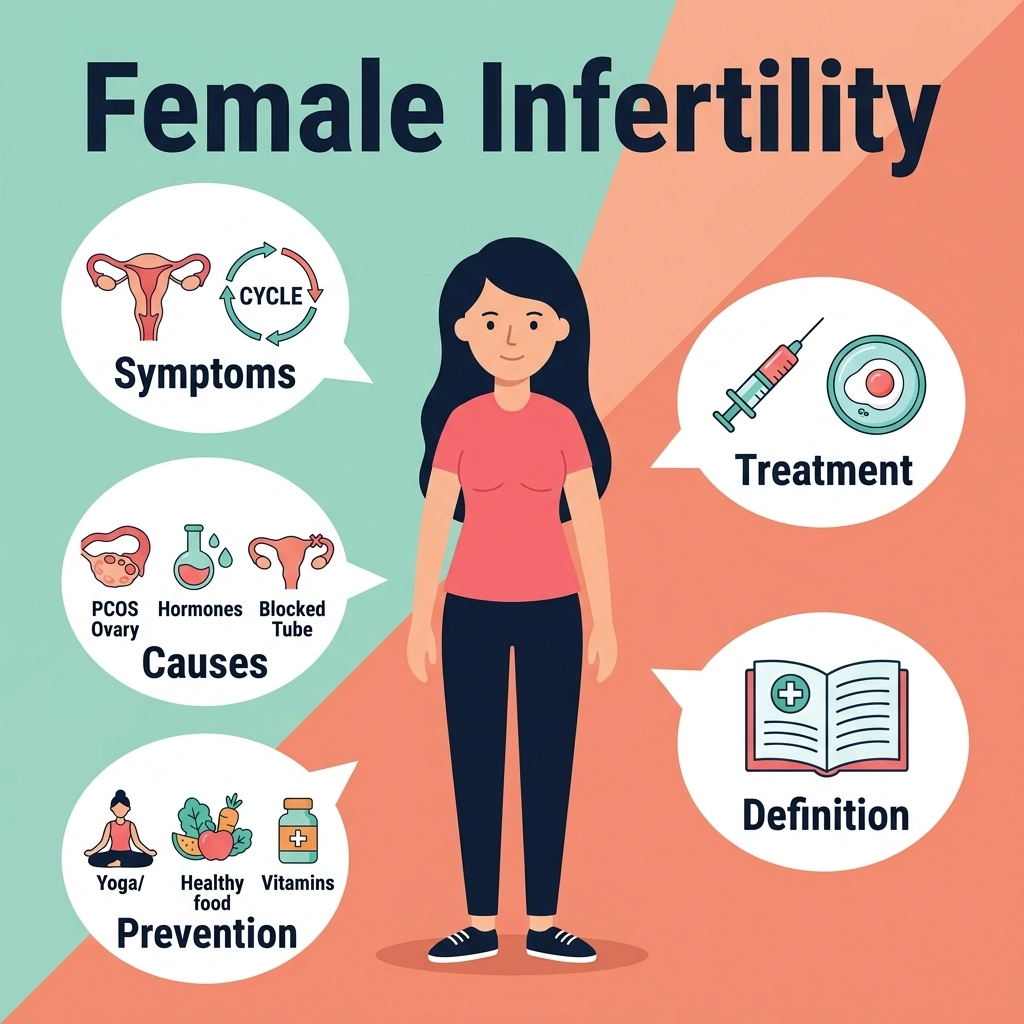
    Female infertility refers to a woman’s inability to achieve or sustain a pregnancy despite regular, unprotected intercourse. Common symptoms of female factor infertility include irregular periods, pelvic pain, absent menstruation, and hormonal imbalances that collectively signal disrupted reproductive function. Female infertility causes range from ovulation disorders and tubal blockages to endometriosis, uterine abnormalities, and age-related decline, all of which impair the body’s capacity to conceive. Treatments such as hormone therapy, fertility medications, surgical correction, IUI, and IVF have helped millions of women successfully achieve pregnancy. The effectiveness of any treatment, however, depends on timely diagnosis and expert-guided care.

    In India, where female infertility affects a significant portion of the reproductive-age population, identifying the right treatment center is one of the most consequential steps a woman can take. Cities like Mumbai, Delhi, Bengaluru, and Chennai house advanced fertility clinics with experienced reproductive specialists. Fertility Network helps women across India find verified, affordable female infertility treatment centers near them, connecting patients with the right care at every stage of their fertility journey.

    What Is Female Infertility?

    Female infertility, also known as female factor infertility, is a clinical condition defined as the inability to achieve a spontaneous pregnancy after 12 months of regular, unprotected sexual intercourse in women of reproductive age. According to the Nature Scientific Reports journal and its global burden study published in May 2025, the total number of prevalent female infertility cases surged by 84.4% over a three-decade tracking period, expanding from roughly 59.6 million cases globally to over 110 million affected women. Also, according to the United Nations Population Fund (UNFPA) and its India Insight State of the World Population (SWOP) report released in June 2025, clinical data indicates that female infertility affects an estimated 3.9% to 16.8% of the Indian population

    According to Dr. Meghana D Sarvaiya, a practicing obstetrician and gynaecologist, “In female infertility, the common cause which we see today is polycystic ovarian syndrome or PCOS. Other than that, the other problems are (being) elderly or having thyroid problems, excessive weight gain, diabetes, high blood pressure to begin with; all these are common causes of infertility that we see in today’s world.”

    Biologically, female infertility occurs when one or more steps in the conception process are disrupted, from ovulation and egg quality to fertilization and implantation. A woman’s reproductive potential is directly tied to egg parameters such as ovarian reserve, oocyte chromosomal integrity, and hormonal balance, all of which are vulnerable to oxidative stress and age-related decline. Fertility assessment typically involves evaluating estrogen levels, FSH and LH dynamics, ovarian reserve markers, and the structural integrity of the uterus and fallopian tubes. The formal medical recognition of female infertility as a distinct reproductive condition accelerated during the mid-20th century, as endocrinology advanced sufficiently to separate female-specific causes of impaired pregnancy achievement from those attributed to male factor infertility or unexplained causes.

    How Does Pregnancy Normally Occur?

    Pregnancy normally occurs through a series of reproductive processes that involve ovulation, fertilization, and implantation working in precise hormonal coordination. During ovulation, a surge in luteinizing hormone (LH) triggers the release of a mature egg from an ovarian follicle. That egg travels into the fallopian tube, where, if viable sperm are present within the fertile window, fertilization takes place. 

    The resulting embryo migrates into the uterine cavity over several days and implants into the endometrial lining, establishing a clinical pregnancy. Female infertility has been recognized since ancient times as a condition that disrupts this sequence at one or more points. For example, a hormonal imbalance may prevent ovulation altogether, a blocked fallopian tube may stop the egg from meeting sperm, and structural abnormalities of the uterus may prevent an embryo from implanting successfully, all resulting in the failure to achieve pregnancy despite normal sexual activity.

    What Is the History of Female Infertility?

    The history of female infertility dates back to ancient civilizations, where Egyptian and Greek texts, including the Hippocratic writings of approximately 400 BCE, attributed a woman’s inability to conceive to supernatural occurrences, uterine displacement, or humoral imbalances. Over subsequent centuries, anatomical understanding slowly replaced mysticism, and in the 17th century, Regnier de Graaf identified ovarian follicles; by the 19th century, the roles of the fallopian tubes and uterus in reproduction were formally established. 

    Endocrinologists identified the hormonal pathways governing ovulation and developed hormone testing for clinical use by the 1930s. By mid-century, primary infertility and secondary infertility were being studied with scientific rigor, and different types of infertility, including ovulatory, tubal, uterine, and cervical, were systematically categorized. In 1978, the first successful IVF birth achieved by Robert Edwards and Patrick Steptoe permanently transformed the treatment of female infertility. The subsequent decades refined ovulation induction therapy, introduced IUI, and established the global framework for diagnosing and managing the full spectrum of female factor infertility that clinicians use today.

    What Are the Types of Female Infertility?

    The main types of female infertility are listed below.

    • Ovulatory Infertility: Ovulatory infertility refers to the failure of the ovaries to release a mature egg regularly or at all during the menstrual cycle. It is driven by disrupted FSH or LH signaling, hypothalamic dysfunction, or conditions like PCOS that suppress normal follicular development, producing symptoms such as absent or severely irregular periods and making it the most prevalent type of female factor infertility.
    • Tubal Infertility: Tubal infertility refers to structural damage or blockage of one or both fallopian tubes that prevents egg transport or fertilization. It occurs when prior infections, pelvic inflammatory disease, or surgical adhesions obstruct the pathway between the ovary and the uterus, physically preventing sperm from reaching the egg or the fertilized embryo from reaching the uterine cavity.
    • Uterine Infertility: Uterine infertility is a condition in which structural or functional abnormalities of the uterus impair embryo implantation or pregnancy maintenance. Fibroids, polyps, a septate uterus, or intrauterine adhesions alter the endometrial environment and architecture, producing symptoms such as recurrent miscarriage, abnormal uterine bleeding, and repeated implantation failure during fertility treatment.
    • Age-Related Infertility: Age-related infertility refers to the natural and progressive decline in ovarian reserve and oocyte quality as a woman ages beyond her mid-thirties. After age 35, the quantity and chromosomal integrity of remaining eggs decrease substantially, increasing the risk of failed fertilization, early pregnancy loss, and chromosomal abnormalities, a form of infertility that produces no obvious symptoms until active conception attempts reveal its impact.

    What Are the Symptoms of Female Infertility?

    The symptoms of female infertility include irregular menstrual cycles, pelvic pain, hormonal disturbances, and structural abnormalities that collectively impair a woman’s ability to conceive and carry a pregnancy to term. 

    • Early Symptoms: Early symptoms of female infertility refer to the initial clinical signs that indicate disruption in normal reproductive function. Early symptoms of female infertility include inability to conceive, irregular periods, pelvic pain, and amenorrhea.
    • Physical Symptoms: Physical symptoms of female infertility refer to structural or pathological conditions affecting the reproductive organs. Physical symptoms of female infertility include fibroids, endometriosis, pelvic inflammatory disease, and uterine abnormalities.
    • Menstrual Symptoms: Menstrual symptoms of female infertility refer to irregularities in the menstrual cycle that reflect ovulatory or hormonal dysfunction. Menstrual symptoms of female infertility include oligomenorrhea, dysmenorrhea, menorrhagia, and ovulation pain.
    • Hormonal Symptoms: Hormonal symptoms of female infertility refer to imbalances in reproductive and endocrine hormones that disrupt ovulation and fertility. Hormonal Symptoms include estrogen deficiency, FSH elevation, LH imbalance, thyroid dysfunction, hirsutism with acne, and PCOS (Polycystic Ovary Syndrome).

    What Is the Difference Between Female Factor Infertility and PCOS?

    The difference between female infertility and PCOS is that female factor infertility is a broad diagnostic category encompassing any condition that prevents a woman from conceiving, while PCOS is one specific hormonal disorder that can cause infertility as one of its consequences. PCOS is physiologically distinct from other infertility causes because it is defined by a triad of androgen excess, irregular ovulation, and polycystic ovarian morphology, a hormonal syndrome not present in women whose infertility stems from tubal damage, uterine abnormalities, or premature ovarian insufficiency. Importantly, female infertility is sometimes misunderstood as sterility, which leads many women to abandon hope prematurely.

    What Is the Difference Between Female Infertility and Female Sterility?

    The difference between female infertility and female sterility is that infertility refers to the difficulty or inability to conceive naturally, a condition that is frequently treatable, while sterility refers to a complete and permanent inability to reproduce that cannot be reversed by any medical or surgical intervention. Scientifically, infertility can arise from correctable causes, hormonal imbalances, reversible tubal blockages, responsive ovarian dysfunction, or treatable infections, whereas sterility results from irreversible conditions such as the complete absence of functional ovaries, surgical removal of the uterus, or severe chromosomal anomalies incompatible with reproduction. Understanding the specific causes behind female factor infertility is therefore critically important as it determines whether pharmaceutical treatment, assisted reproduction, or other family-building pathways are clinically viable.

    What Are the Causes of Female Factor Infertility?

    The causes of female infertility include a broad range of disorders affecting ovulation, the fallopian tubes, the uterus, hormonal regulation, and systemic health — all of which impair one or more stages of the natural conception process. 

    The causes of female infertility are listed below.

    • Ovulation Disorders: Ovulation disorders are conditions in which the ovaries fail to release a mature, viable egg regularly or at all, most commonly caused by disrupted FSH or LH signaling, PCOS, or hypothalamic amenorrhea. The core mechanism involves impaired oogenesis and arrested follicular development, frequently compounded by oxidative stress on granulosa cells and endocrine disruptors that interfere with the pituitary signaling cascade required to trigger ovulation.
    • Tubal Factors: Tubal factors refer to structural damage, scarring, or complete blockage of the fallopian tubes that prevents the egg from traveling toward sperm or the embryo from reaching the uterus. They most commonly result from prior pelvic inflammation, chlamydia or gonorrhea infections, or post-surgical adhesions, conditions whose underlying mechanism involves fibrous tissue deposition that physically obstructs the reproductive pathway with varying degrees of severity.
    • Uterine Factors: Uterine factors are structural or functional abnormalities within the uterus, including fibroids, polyps, congenital malformations, or intrauterine adhesions, that impair embryo implantation and ongoing pregnancy maintenance. These conditions alter the endometrial architecture and receptivity, while associated hormonal dysregulation involving estrogen or LH further compromises the endometrial lining’s ability to support a developing embryo.
    • Endometriosis: Endometriosis refers to the ectopic growth of endometrial-like tissue outside the uterine cavity, triggering chronic pelvic inflammation, adhesion formation, and progressive scarring of reproductive organs. Its infertility mechanism is multifactorial , involving distorted pelvic anatomy, DNA fragmentation in follicles adjacent to endometriotic lesions, altered immune surveillance, and a toxic peritoneal environment that actively impairs both fertilization and implantation.
    • Age-Related Factors: Age-related factors describe the progressive and irreversible decline in ovarian reserve, oocyte quality, and chromosomal integrity that accelerates naturally after a woman turns 35. The biological mechanism centers on oogenesis deterioration, mitochondrial dysfunction in aging oocytes reduces energy available for chromosomal segregation, producing increasingly aneuploid eggs that are very uncommon in women under 30 but become a predominant cause of implantation failure and miscarriage after 38.
    • Lifestyle Factors: Lifestyle factors refer to modifiable behavioral and environmental influences, including smoking, obesity, excessive alcohol consumption, chronic psychological stress, and exposure to endocrine disruptors in plastics or pesticides, that degrade hormonal balance and egg quality. The mechanism involves oxidative stress-induced damage to oocyte DNA and mitochondria, combined with disruption of the hypothalamic-pituitary-ovarian axis that governs the entire hormonal rhythm of the menstrual cycle.
    • Hormonal Disorders: Hormonal disorders are systemic endocrine conditions, including thyroid dysfunction, hyperprolactinemia, congenital adrenal hyperplasia, and insulin resistance, that disrupt the hormonal environment necessary for consistent ovulation and implantation. They impair fertility by dysregulating estrogen, FSH, and LH secretion, creating the kind of hormonal imbalance that prevents the coordinated follicular development and endometrial preparation required for successful conception.
    • Infections: Infections refer to bacterial, viral, or parasitic pathogens, most notably chlamydia and gonorrhea, that cause pelvic inflammation and direct structural damage to the reproductive tract when left untreated. Their mechanism of infertility involves ascending infection that leads to tubal scarring, compromised ovarian blood supply, and, in severe chronic cases, irreversible destruction of reproductive anatomy that is very uncommon to fully restore even with surgery.

    How Common Is Female Infertility?

    Female infertility is very common due to the diverse range of physiological, hormonal, structural, and lifestyle factors that can disrupt reproductive function at any stage of a woman’s reproductive life. According to the Indian Society of Assisted Reproduction (ISAR), infertility affects approximately 10–14% of the Indian population, with female factor infertility responsible for a substantial share of all cases that affect women seeking conception. These numbers are rising alongside increasing rates of PCOS, delayed childbearing, endometriosis, and lifestyle-related hormonal disruption. Globally, the WHO estimates that over 186 million people live with infertility, underscoring that female infertility is not a rare or isolated condition; it is one of the most prevalent reproductive health challenges facing women in both urban and rural India.

    How Does Female Infertility Affect Women’s Health and Well-Being?

    The ways female infertility affects women’s health and well-being are listed below.

    • Psychological Distress: Female infertility causes long-term emotional suffering, including chronic anxiety, depression, grief, and loss of identity that persist well beyond active treatment cycles.
    • Hormonal Comorbidities: Underlying conditions like PCOS, thyroid dysfunction, and premature ovarian insufficiency produce lasting metabolic and cardiovascular effects if the root hormonal disorder is left clinically unmanaged.
    • Relationship and Social Strain: Infertility places sustained, lasting pressure on intimate relationships, family dynamics, and social belonging — especially in cultures where motherhood is closely tied to a woman’s social identity.
    • Physical Deterioration of Reproductive Organs: Progressive conditions like endometriosis and fibroids cause long-term structural damage to the pelvis and uterus when left untreated, compounding infertility over time.
    • Social Stigma and Isolation: In many Indian communities, female infertility carries lasting social stigma that affects a woman’s standing, self-worth, and access to emotional support from her family and community network.
    • Increased Risk of Long-Term Comorbidities: Women with infertility-related endocrine disorders face a lasting elevated risk of conditions including metabolic syndrome, osteoporosis, type 2 diabetes, and endometrial pathology if their hormonal health is not actively managed.

    How Is Female Infertility Diagnosed?

    The main ways to diagnose female infertility are listed below.

    • Medical History and Physical Examination: A thorough review of menstrual history, prior pregnancies, sexual health, and pelvic anatomy, forming the foundation of early prevention-focused evaluation and directing which diagnostic tests are most appropriate.
    • Blood Hormone Tests: Serum testing for AMH, FSH, LH, Estradiol, TSH, and Prolactin to assess ovarian reserve, ovulatory function, thyroid health, and pituitary regulation — the core hormonal panel in any female infertility workup.
    • Pelvic Ultrasound: Transvaginal or abdominal ultrasound imaging of the ovaries and uterus to visualize antral follicle count, detect cysts, fibroids, polyps, or structural uterine abnormalities affecting fertility.
    • HSG (Hysterosalpingography): A fluoroscopic X-ray procedure using contrast dye injected through the cervix to assess fallopian tube patency and uterine cavity shape, including detection of blockages or congenital abnormalities.
    • Sonohysterogram (Saline Infusion Sonography): An ultrasound procedure in which sterile saline is instilled into the uterine cavity to clearly delineate submucous fibroids, endometrial polyps, or intrauterine adhesions not visible on standard ultrasound.
    • Laparoscopy: A minimally invasive surgical procedure that provides direct visual inspection of the pelvic organs, allowing diagnosis and often simultaneous treatment of endometriosis, adhesions, or tubal damage not identifiable through imaging alone.
    • Hysteroscopy: A procedure in which a thin, fiber-optic camera is passed through the cervix into the uterine cavity to directly visualize and, where clinically indicated, surgically correct intrauterine pathology such as fibroids, polyps, or scar tissue.

    How to Prevent Female Infertility?

    Preventing female factor infertility includes processes like maintaining hormonal balance, actively managing underlying reproductive conditions, adopting a fertility-supportive lifestyle, and seeking timely medical help before complications become irreversible. 

    To prevent female infertility, follow the tips listed below.

    • Maintain a Healthy Body Weight: Sustaining a body weight within the normal BMI range through balanced nutrition and moderate physical activity stabilizes estrogen and androgen levels, reduces insulin resistance, and supports regular ovulation, lowering the risk of PCOS-driven anovulatory infertility in women of all ages.
    • Avoid Smoking and Limit Alcohol: Eliminating tobacco use and restricting alcohol consumption reduces oxidative stress on ovarian follicles, preserves oocyte DNA integrity, and protects ovarian reserve from premature depletion that accelerates age-related fertility decline.
    • Diagnose and Manage Chronic Conditions Early: Treating conditions like PCOS, thyroid dysfunction, and endometriosis as early as possible prevents the progressive structural and hormonal damage these disorders inflict on the reproductive system, preserving both natural conception potential and ART outcomes.
    • Practice Safe Sexual Health: Using barrier contraception consistently and treating sexually transmitted infections promptly prevents the ascending pelvic infections that lead to tubal scarring, PID, and permanent damage to the fallopian tubes and ovaries.
    • Track and Monitor Menstrual Health: Regularly recording cycle length, flow, and any mid-cycle symptoms allows early detection of irregularities pointing to ovulatory dysfunction or hormonal imbalance, enabling proactive medical help before minor disruptions escalate into established infertility.
    • Minimize Exposure to Environmental Toxins: Reducing daily contact with endocrine disruptors found in BPA-lined plastics, pesticide-treated produce, and certain synthetic cosmetics protects the hypothalamic-pituitary-ovarian axis from chemical interference that suppresses normal hormonal cycling.
    • Undergo Periodic Fertility Screenings: Women over 30, or those with a family history of early menopause or ovarian conditions, benefit from periodic AMH and antral follicle count assessments that provide advance warning of declining ovarian reserve before it reaches a clinically critical threshold.

    When to Seek Medical Help for Female Infertility?

    Seek medical help for female infertility when a woman under 35 has been trying to conceive for 12 months without success, or after just 6 months if she is over 35, as declining ovarian reserve at this age means that delay directly reduces the likelihood of treatment success. A gynecologist, reproductive endocrinologist, or fertility specialist should be consulted without waiting for these thresholds when symptoms such as severe pelvic pain, complete absence of menstrual periods, highly irregular cycles, visible signs of hormonal imbalance such as unexplained hair growth or acne, or a known history of pelvic surgery or sexually transmitted infections are present. 

    These symptoms signal an active underlying condition that, if left unaddressed, becomes a permanent obstacle to natural conception as structural or hormonal damage compounds over time. Early evaluation allows a reproductive endocrinologist to identify and treat reversible causes at the stage where intervention yields the best clinical outcomes.

    Can Female Infertility Be Permanent?

    Yes, female infertility can be permanent when the underlying cause involves an irreversible loss of functional ovarian tissue or an unrestorable disruption of reproductive anatomy. Severe genetic conditions such as Turner syndrome result in non-functional or absent ovaries that no treatment can restore. Advanced, untreated endometriosis can destroy ovarian tissue to the extent that surgical repair yields no viable follicles. 

    Chronic or repeated pelvic inflammatory disease can cause such extensive tubal scarring that surgical reconstruction is no longer anatomically feasible. Age-related infertility becomes effectively permanent at menopause, when ovarian follicle reserves are naturally and irreversibly exhausted. In each of these scenarios, starting treatment early, before structural damage progresses to its terminal stage, is the single most important determinant of whether fertility can be preserved or restored. Women who delay seeking care for recognized conditions risk reaching a threshold beyond which even advanced assisted reproductive technology offers limited or no recourse.

    What Are the Treatments for Female Infertility?

    The treatments for female infertility include lifestyle modifications, natural remedies, hormone therapy, surgical treatment, assisted reproductive technology (IUI and IVF), and fertility medications tailored to the underlying cause, age, and reproductive health status.

    The treatments for female infertility are listed below.

    • Lifestyle Modifications: Lifestyle modifications are evidence-based behavioral interventions, including structured dietary changes, targeted weight management, stress reduction, and the elimination of harmful habits, that restore hormonal balance and improve ovulatory function. They work by reducing insulin resistance and androgen excess in women with PCOS, lowering systemic oxidative stress, and improving uterine and ovarian blood flow, making them a foundational first-line approach for women whose infertility has metabolic or lifestyle-related contributors.
    • Natural Remedies: Natural remedies are complementary approaches, including inositol supplementation for PCOS, coenzyme Q10 for mitochondrial support in aging oocytes, acupuncture, and nutritional optimization, that support reproductive function without replacing clinical treatment. When used under a doctor’s supervision alongside conventional care, select natural interventions have demonstrated meaningful improvement in ovulatory regularity, egg quality markers, and hormonal balance in peer-reviewed research.
    • Hormone Therapy: Hormone therapy refers to the medically supervised administration of hormones, including estrogen, progesterone, FSH, and hMG (human menopausal gonadotropin), to correct deficiencies, stimulate follicular development, or prepare the uterine lining for embryo implantation. It is the primary evidence-based medical treatment for women with hormonal disorders, inadequate ovarian stimulation response, or luteal phase defects that prevent sustained early pregnancy.
    • Surgical Treatment: Surgical treatment involves minimally invasive or open operative procedures, including laparoscopic removal of fibroids, excision of endometriosis, reconstruction of damaged fallopian tubes, or hysteroscopic correction of intrauterine abnormalities, designed to restore normal pelvic anatomy. Surgery is most appropriate and effective when a specific, correctable structural barrier to conception has been identified through diagnostic imaging or endoscopic evaluation.
    • Assisted Reproductive Technology (ART): Assisted Reproductive Technology refers to advanced fertility procedures, most notably IVF (in vitro fertilization) and IUI (intrauterine insemination), that facilitate conception when natural methods are no longer viable. In IVF, hormonal stimulation prompts multiple follicles to develop, followed by egg retrieval under sedation, laboratory fertilization, and embryo transfer; IUI places washed, concentrated sperm directly into the uterine cavity. Both are evidence-based, widely practiced procedures with well-established success rates across a broad range of infertility diagnoses.
    • Fertility Medications: Fertility medications are pharmacological agents, including clomiphene citrate, letrozole, FSH injections, and hMG, prescribed under close doctor supervision to stimulate ovulation, regulate the hormonal cycle, or support endometrial preparation for embryo transfer. As the first-line treatment for ovulatory infertility, they require careful titration against FSH baselines and regular ultrasound monitoring to optimize egg retrieval outcomes and minimize the risk of ovarian hyperstimulation syndrome.

    Is Checking With a Doctor Necessary Before Taking Female Infertility Medications?

    Yes, checking with a doctor is necessary before taking female infertility medications because these agents directly manipulate the hypothalamic-pituitary-ovarian hormonal axis and carry significant risks, including ovarian hyperstimulation syndrome, multiple gestations, and systemic hormonal side effects that require qualified medical oversight to detect and manage safely. Before initiating any treatment, a doctor evaluates the root cause of infertility, baseline hormone levels including FSH, LH, estrogen, AMH, and TSH, ovarian reserve, uterine anatomy, and overall health to determine which medication is appropriate and at what dose. 

    Throughout the treatment cycle, serial ultrasound monitoring and repeat hormone testing allow dose adjustments that maximize follicular response while protecting patient safety. Self-administering fertility medications without medical evaluation not only risks serious complications but frequently results in ineffective treatment directed at a misdiagnosed or incompletely assessed cause. So, all female infertility treatment must be guided by a qualified reproductive specialist from the outset.

    What Are the Best Locations in India for Female Infertility Treatment?

    The best locations in India for female infertility treatment include major metropolitan cities and state capitals that house internationally accredited fertility hospitals, experienced reproductive specialists, and advanced ART laboratory infrastructure capable of delivering high-quality, evidence-based care. 

    The best places in India for female infertility treatment are listed below.

    • Mumbai, Maharashtra: Mumbai is one of India’s foremost cities for female infertility treatment, home to internationally accredited fertility centers with high IVF success rates, state-of-the-art embryology laboratories, and experienced reproductive endocrinologists across both premier private hospitals and mid-tier clinics.
    • Delhi and NCR, Delhi: Delhi and the National Capital Region host some of India’s most established fertility hospitals and reproductive medicine centers, offering comprehensive diagnostic services, advanced ART, and multidisciplinary reproductive care spanning both government-subsidized and premium private sectors.
    • Bengaluru, Karnataka: Bengaluru has emerged as a leading hub for female infertility care in South India, with several internationally recognized fertility centers offering advanced technologies including preimplantation genetic testing, egg IVF, and highly individualized hormonal stimulation protocols.
    • Chennai, Tamil Nadu: Chennai’s fertility hospitals are well-regarded for their evidence-based clinical protocols and experienced reproductive surgeons, with multiple cities across Tamil Nadu offering quality IVF, IUI, and laparoscopic treatment for endometriosis and tubal infertility at varying cost points.
    • Hyderabad, Telangana: Hyderabad is a rapidly growing center for reproductive medicine, with fertility hospitals across Telangana providing advanced diagnostic services, laparoscopic and hysteroscopic surgery, and comprehensive ART options at comparatively accessible costs relative to India’s largest metros.
    • Kolkata, West Bengal: Kolkata and other cities across West Bengal offer increasingly reliable infertility care through established reproductive centers, making this region a practical and well-equipped option for women in eastern India seeking specialized female factor infertility diagnosis and treatment.

    How Much Does Female Infertility Treatment Cost in India?

    In India, female infertility treatment costs between ₹15,000 for basic treatment and up to ₹5,00,000+ for advanced treatment, depending on the procedure type, the city, the hospital tier, and the complexity of the individual’s infertility diagnosis. Basic interventions, including hormonal blood panels, follicle monitoring, ovulation induction, and IUI, typically fall in the lower range of ₹15,000 to ₹80,000. 

    When it comes to advanced procedures such as IVF, surgical correction of fibroids or tubal damage, and other specialized fertility treatments, costs can extend from ₹1,50,000 to ₹5,00,000 or beyond, particularly at premium fertility centers in Mumbai, Delhi, or Bengaluru. Cost differences are also shaped by whether care is delivered at a government hospital, a mid-tier private clinic, or a nationally recognized fertility hospital with advanced ART capabilities. Affordable options are available across India, particularly in Tier 2 and Tier 3 cities, and through government-assisted fertility programs in states including Maharashtra, Gujarat, Andhra Pradesh, and Tamil Nadu. 

    Finding the most appropriate and cost-effective care, however, requires knowing where to look, and that is where Fertility Network makes a direct difference. Fertility Network is an online platform that connects women across India with verified, affordable female infertility treatment centers near them. We help patients match their medical needs and budget with the right specialist, wherever they are in the country.

    How Is Female Infertility Different from Other Types of Infertility?

    Female infertility is different from other types of infertility in a way that it is exclusively caused by conditions affecting the female reproductive system, including disorders of ovulation, fallopian tube function, uterine anatomy, and female-specific hormonal regulation, rather than sperm-related parameters, which define male factor infertility, or combined factors, which characterize unexplained infertility. The primary distinction between female infertility and other types of infertility is that female factor infertility arises from causes unique to ovarian biology, tubal integrity, uterine receptivity, and physiological domains with no counterpart in male reproductive medicine and requiring entirely different diagnostic approaches.

    Its unique symptoms and characteristics include a cyclical nature deeply intertwined with the menstrual cycle, its dependence on coordinated multi-organ hormonal synchrony across the hypothalamic-pituitary-ovarian axis, and the specific diagnostic testing and evaluation methods it requires, including AMH measurement, pelvic sonography, and direct endoscopic assessment. Understanding these distinctions reinforces why early prevention, proper treatment selection, finding the right place for evidence-based treatment, and managing costs all depend on expertise specifically aligned with the female reproductive system and why women deserve care that treats infertility as the distinct medical specialty it is.

  • Unexplained Infertility: Definition, Symptoms, Causes, Prevention and Treatment

    Unexplained Infertility: Definition, Symptoms, Causes, Prevention and Treatment

    Unexplained infertility refers to infertility without any identifiable cause after standard fertility testing. The symptoms of unexplained infertility include subtle hormonal changes, implantation difficulties, and emotional distress without overt physical signs. Common causes of this problem include implantation failure, mild endometriosis, sperm dysfunction, egg quality decline, and immune factors. Main treatments of unexplained infertility include lifestyle modifications, ovulation induction, intrauterine insemination, and in vitro fertilization. 

    Finding a reputable hospital in India requires evaluating clinic success rates, laboratory accreditation, and embryologist experience. Couples should verify facility certification from organizations such as the Indian Council of Medical Research, compare treatment costs across metropolitan cities and tier-2 centers, and consult board-certified reproductive endocrinologists before initiating therapy.

    What Is Unexplained Infertility?

    Unexplained infertility, also known as idiopathic infertility, is a diagnosis of exclusion where couples fail to conceive after 12 months of unprotected intercourse despite normal fertility assessments. The primary symptom is the inability to conceive for 12 months (or 6 months if over 35) despite normal fertility test results. According to research published in PubMed Central (PMC), approximately 30% of infertile couples worldwide are diagnosed with unexplained infertility following a standard diagnostic workup that confirms normal semen analysis, regular ovulation, and bilateral tubal patency. According to Dr. Aparna N, a senior fertility specialist, “When a couple come with infertility, after evaluation, we don’t find any obvious reason for infertility. That is, both the male and female factors are normal. The female uterus shape and size are normal. The tubes are patent. The ovarian egg numbers are good. There’s no ovulatory dysfunction. The male factor semen analysis is normal. We call this unexplained infertility.”

    The medical community first recognized unexplained infertility as a distinct clinical category during the 1970s when reproductive endocrinology formalized standardized fertility assessment protocols. Research demonstrates that women with unexplained infertility exhibit significantly increased serum malondialdehyde levels, indicating heightened oxidative stress that damages cellular membranes and impairs pregnancy achievement. The reproductive potential of couples with this diagnosis remains substantial, with spontaneous pregnancy rates reaching 13-15% during the first year of expectant management and 35% during the subsequent two years. Fertility assessment protocols continue evolving as advanced testing methods including sperm DNA fragmentation assays, anti-Müllerian hormone panels, and endometrial receptivity arrays identify previously hidden causes in couples formerly labeled unexplained.

    What Are the Symptoms of Unexplained Infertility?

    The symptoms of unexplained infertility include subtle reproductive abnormalities such as asymptomatic endometriosis, hormonal shifts, sperm function irregularities, implantation obstacles, and emotional distress, even when routine fertility tests appear normal.

    This condition lacks any other overt or noticeable physical symptoms, but there are some subtle symptoms. The symptoms of unexplained infertility are listed below.

    • Asymptomatic Endometriosis: Asymptomatic endometriosis refers to endometrial tissue growth outside the uterus without pelvic pain. This condition includes silent inflammation and oxidative stress in the peritoneal cavity that creates an inhospitable environment for sperm and embryo development. The unique biological reason involves ectopic endometrial cells triggering localized immune responses that disrupt conception without producing pain signals, making detection impossible during routine pelvic examination. These silent lesions release prostaglandins and inflammatory cytokines that alter tubal function and impair sperm transport.
    • Subtle Hormonal Shifts: Subtle hormonal shifts refer to minor fluctuations in progesterone, estrogen, and luteinizing hormone levels that remain within laboratory reference ranges. These shifts include altered follicular phase timing, inadequate luteal phase support, and diminished endometrial receptivity that prevent embryo implantation. The unique biological reason involves hypothalamic-pituitary-ovarian axis dysregulation that impairs endometrial receptivity without changing basal body temperature patterns, rendering standard ovulation tracking methods ineffective for detection. Luteal phase defects reduce progesterone production below thresholds required for endometrial decidualization.
    • Sperm Function Irregularities: Sperm function irregularities refer to defects in motility, morphology, or DNA integrity despite normal semen analysis parameters. These irregularities include oxidative stress-induced mitochondrial dysfunction, acrosome reaction failures, and DNA fragmentation that compromise fertilization capacity. The unique biological reason involves reactive oxygen species accumulation in seminal plasma that damages sperm membranes while preserving total sperm count, which explains why conventional semen analysis fails to identify these functional deficits. Sperm DNA fragmentation rates exceeding 30% predict poor fertilization and early embryo arrest despite normal concentration and motility.
    • Embryo Implantation Obstacles: Embryo implantation obstacles refer to failures in blastocyst attachment to a morphologically normal endometrium during the implantation window. These obstacles include altered integrin expression, diminished uterine natural killer cell regulation, and abnormal cytokine profiles that reject viable embryos. The unique biological reason involves molecular mismatches between embryonic signals and endometrial receptors that prevent pregnancy achievement despite viable embryos, creating a silent barrier to conception that standard hysteroscopy cannot visualize. Altered HOXA10 gene expression in endometrial stromal cells disrupts the molecular preparation required for embryo acceptance.
    • Emotional Symptoms: Emotional symptoms refer to psychological manifestations including anxiety, depression, and grief responses to prolonged infertility. These symptoms include chronic stress-induced cortisol elevation, relationship strain, and social withdrawal that compound reproductive difficulties. The unique biological reason involves hypothalamic-pituitary-adrenal axis activation that further suppresses reproductive potential through corticotropin-releasing hormone-mediated gonadotropin inhibition, establishing a common biological feedback loop where emotional distress directly impairs fertility. According to The Infertility Awareness Report, a comprehensive consumer study published by the UK-based organization Fertility Family, 78% of people experiencing infertility report feelings of hopelessness.

    How Common Is Unexplained Infertility?

    Unexplained infertility is very common due to the inherent limitations of standard fertility diagnostics and the considerable biological complexity of the human reproductive system. According to the American Society for Reproductive Medicine (ASRM), unexplained infertility is responsible for up to 30% of infertility cases evaluated in specialized reproductive endocrinology clinics. 

    In India, data from major fertility centers indicate that approximately 1 in 5 couples undergoing a full infertility workup receive an unexplained diagnosis. Some centers perform limited testing and assign the diagnosis prematurely, while comprehensive centers using advanced sperm DNA fragmentation tests and endometrial receptivity arrays identify subtle causes in previously unexplained cases. 

    What Are the Probable Causes of Unexplained Infertility?

    The probable causes of unexplained infertility include implantation defects, mild endometriosis, chronic endometritis, fertilization failures, sperm dysfunction, egg quality decline, immune dysregulation, and lifestyle factors. 

    The probable causes of unexplained infertility are listed below.

    • Implantation Failure: Implantation failure refers to the inability of a morphologically normal blastocyst to attach to a receptive endometrium during the window of implantation. The unique mechanism involves altered integrin and cytokine signaling pathways that disrupt embryo-endometrial communication despite normal histological appearance, preventing trophoblast invasion and subsequent placentation. Reduced leukemia inhibitory factor expression in endometrial epithelium prevents the molecular handshake required for embryo attachment.
    • Mild Endometriosis: Mild endometriosis refers to minimal ectopic endometrial tissue deposits without pelvic adhesions or pain symptoms. The unique mechanism involves peritoneal macrophage activation and inflammatory cytokine release that create a toxic microenvironment for gametes and embryos, generating reactive oxygen species that impair fertilization and early development. Interleukin-6 and tumor necrosis factor-alpha concentrations rise in peritoneal fluid and directly damage sperm membranes and oocyte mitochondria.
    • Chronic Endometritis: Chronic endometritis refers to persistent low-grade inflammation of the endometrial lining caused by bacterial infection or immune dysregulation. The unique mechanism involves plasma cell infiltration and altered endometrial microbiome composition that impairs embryo receptivity without causing visible structural damage, making standard hysteroscopy appear normal despite pathological inflammation. Ureaplasma and Mycoplasma species colonize endometrial tissue and trigger chronic inflammatory responses that reject embryos.
    • Fertilization Problems: Fertilization problems refer to failures in sperm-egg fusion despite normal semen parameters and ovarian reserve markers. The unique mechanism involves zona pellucida hardening, sperm receptor deficiencies, and premature cortical granule release that prevent syngamy and block the initiation of embryo development. Phospholipase C zeta deficiencies in sperm prevent calcium oscillation activation required for oocyte activation and pronuclear formation.
    • Sperm Function Issues: Sperm function issues refer to deficits in motility, DNA integrity, or acrosome reaction despite normal concentration and morphology. The unique mechanism involves oxidative stress-induced mitochondrial damage and lipid peroxidation that compromise fertilization capacity while maintaining normal total sperm count, which explains the diagnostic gap in standard semen analysis. 8-hydroxy-2′-deoxyguanosine accumulation in sperm DNA indicates oxidative damage that impairs embryo development potential.
    • Egg Quality Problems: Egg quality problems refer to chromosomal abnormalities, mitochondrial dysfunction, or cytoplasmic defects in morphologically normal oocytes. The unique mechanism involves meiotic spindle errors, aneuploidy, and reduced mitochondrial ATP production that impair embryo development after fertilization, causing silent early miscarriage before pregnancy detection. Women over 35 exhibit twice the rate of aneuploidy compared to younger women, with mitochondrial DNA mutations increasing significantly after age 45.
    • Immune and Inflammatory Factors: Immune and inflammatory factors refer to dysregulated natural killer cells, anti-sperm antibodies, and cytokine imbalances affecting conception. The unique mechanism involves maternal immune tolerance failures that misidentify embryos or sperm as foreign pathogens and trigger rejection responses, preventing implantation or causing early pregnancy loss. HLA-G expression deficiencies in trophoblast cells prevent the immune camouflage required for maternal acceptance.
    • Lifestyle Factors: Lifestyle factors refer to behavioral and environmental influences including smoking, alcohol, obesity, and chronic stress that degrade fertility. The unique mechanism involves endocrine disruption, oxidative stress amplification, and DNA damage accumulation in gametes that reduce pregnancy achievement across multiple cellular pathways, compounding other subtle biological barriers. Bisphenol A exposure, even at everyday levels, can lower the number of healthy follicles and make it harder for eggs to mature.

    How Does Unexplained Infertility Affect Couples’ Daily Lives?

    The ways unexplained infertility affects health and well-being are listed below.

    • Psychological Distress: Psychological distress refers to chronic anxiety and depression that disrupt sleep, appetite, and interpersonal relationships. Many people experiencing infertility struggle with feelings of failure, shame, and diminished self‑worth, often intensified by repeated treatment cycles and social pressure.
    • Financial Burden: Financial burden refers to accumulated costs from repeated fertility tests, treatments, and medications that strain household budgets. Multiple IUI cycles and IVF procedures create significant economic pressure.
    • Social Isolation: Social isolation refers to withdrawal from family gatherings and social events to avoid questions about pregnancy plans. Couples avoid situations where children and pregnancy announcements trigger emotional distress.
    • Marital Strain: Marital strain refers to communication breakdown and intimacy pressure that develop during prolonged fertility treatment cycles. The scheduled nature of timed intercourse and medical procedures transforms intimacy into clinical obligation.
    • Occupational Impact: Occupational impact refers to reduced work productivity and frequent medical appointments that disrupt professional responsibilities. Treatment cycles require multiple clinic visits for monitoring and procedures.
    • Physical Fatigue: Physical fatigue refers to exhaustion from hormonal medications, procedural side effects, and chronic stress-induced cortisol dysregulation. Gonadotropin injections cause bloating, mood swings, and physical discomfort.

    Early diagnosis is very important for solving any type of infertility.

    How Is Unexplained Infertility Diagnosed?

    The main ways to diagnose unexplained infertility are listed below.

    • Semen Analysis: Semen analysis evaluates sperm count, motility, morphology, and DNA fragmentation to exclude male factor infertility. The analysis includes volume assessment, pH measurement, and progressive motility evaluation.
    • Ovulation Assessment: Ovulation assessment monitors basal body temperature, progesterone levels, and follicular ultrasound to confirm egg release. Mid-luteal phase progesterone above 10 ng/mL confirms adequate corpus luteum function.
    • Tubal Patency Testing: Tubal patency testing uses hysterosalpingogram or laparoscopy to verify fallopian tube openness and structural integrity. Oil-based contrast media during hysterosalpingography offer therapeutic flushing benefits.
    • Ovarian Reserve Testing: Ovarian reserve testing measures AMH, FSH, and antral follicle count to evaluate remaining egg quantity. AMH below 1.0 ng/mL indicates diminished ovarian reserve requiring modified treatment protocols.
    • Hysteroscopy: Hysteroscopy examines uterine cavity shape, polyps, and adhesions using a thin camera inserted through the cervix. The procedure identifies subtle structural abnormalities missed by ultrasound imaging.
    • Endometrial Biopsy: Endometrial biopsy samples uterine lining tissue to detect chronic endometritis or luteal phase defects. CD138 immunostaining identifies plasma cell infiltration indicative of chronic inflammatory states.

    Prevention of unexplained infertility is quite hard, as it is hard to diagnose. But it is important to try to prevent the problems as much as possible.

    How to Prevent Unexplained Infertility?

    Preventing unexplained infertility includes processes like maintaining optimal body weight, avoiding tobacco and alcohol, managing stress, and pursuing early fertility assessment. 

    To prevent unexplained infertility, follow the tips listed below.

    • Maintain a Healthy Weight: Maintaining a healthy weight refers to keeping body mass index between 18.5 and 24.9 to preserve hormonal balance and ovulatory function. Obesity disrupts insulin signaling and increases oxidative stress in reproductive tissues. Adipose tissue converts androgens to estrogen through aromatase activity, creating hormonal imbalances that suppress follicular development and reduce conception rates. 
    • Avoid Tobacco and Alcohol: Avoiding tobacco and alcohol refers to eliminating cigarette smoking and limiting ethanol intake to zero drinks daily. Both substances generate reactive oxygen species that damage sperm DNA and oocyte quality. Tobacco contains cadmium and lead that accumulate in ovarian tissue and accelerate follicular depletion while reducing endometrial thickness. According to a landmark meta-analysis and WHO clinical timelines, smoking cessation reverses sperm damage, improving concentration by 13% and motility by 17% within three months.
    • Manage Chronic Stress: Managing chronic stress refers to implementing meditation, yoga, or cognitive behavioral therapy to reduce cortisol elevation. Chronic stress activates the hypothalamic-pituitary-adrenal axis and suppresses gonadotropin secretion. Elevated cortisol levels interfere with GnRH pulsatility, disrupting the precise hormonal timing required for follicular recruitment and ovulation. 
    • Optimize Nutrition: Optimizing nutrition refers to consuming folate, omega-3 fatty acids, antioxidants, and zinc to support gamete development. Nutritional deficiencies impair DNA methylation and mitochondrial function in eggs and sperm. Folate supports nucleotide synthesis for DNA replication, while omega-3 fatty acids maintain membrane fluidity essential for sperm motility and embryo cleavage. 
    • Exercise Regularly: Exercising regularly means performing 150 minutes of moderate aerobic activity weekly to improve circulation and insulin sensitivity. Excessive exercise, however, can suppress ovulation and reduce luteal phase progesterone. Moderate activity increases endorphin production and reduces inflammation without triggering the energy deficit that shuts down reproductive function. 
    • Limit Environmental Toxins: Limiting environmental toxins refers to avoiding bisphenol A, phthalates, and heavy metals found in plastics and pesticides. These endocrine disruptors alter estrogen receptor signaling and reduce fertility assessment outcomes. Bisphenol A mimics estradiol and disrupts follicle-stimulating hormone signaling, while phthalates interfere with testosterone production and sperm differentiation. Switching to glass food containers and organic produce reduces exposure levels. Medical support may be needed to assess heavy metal or endocrine disruptor burdens.

    When to Seek Medical Help for Unexplained Infertility?

    Medical help for unexplained infertility should be sought after 12 months of unprotected intercourse without conception, or after 6 months if the female partner is 35 years or older. The recommended timeline for seeking evaluation includes 12 months of trying to conceive naturally, or after 6 months if age 35 or older. 

    Immediate consultation is recommended at age 40 or older due to significant age-related fertility decline and the need for timely intervention. Women over 40 experience accelerated follicular depletion and increased chromosomal abnormalities in remaining eggs, making prompt evaluation essential for preserving remaining reproductive potential. Early fertility assessment provides baseline ovarian reserve data and allows clinicians to counsel couples about realistic timelines and treatment options before age-related decline accelerates.

    Is Unexplained Infertility Curable?

    Yes, unexplained infertility is curable with proper treatment, although there is often no definitive cure because the underlying cause remains unknown, so treatment focuses on improving the chances of conception. Available treatment options, including ovarian stimulation, IUI, and IVF, help many couples achieve successful pregnancies. 

    The Hunault prognostic model helps clinicians estimate spontaneous conception probability and determine whether expectant management or active treatment offers better outcomes based on female age, infertility duration, and prior pregnancy history. For couples with a prognosis of greater than 30% spontaneous conception within 12 months, six months of expectant management represents appropriate initial management. Treatment-independent conception rates reach 80% in younger couples during three years of unprotected intercourse.

    What Are the Treatments for Unexplained Infertility?

    The treatment options for unexplained infertility involve lifestyle modifications, natural remedies, ovulation induction, surgical intervention, assisted reproductive technology, and fertility medications. 

    The treatments for unexplained infertility are listed below.

    • Lifestyle Modifications: Lifestyle modifications are evidence-based behavioral changes designed to systematically optimize reproductive function in both partners by addressing modifiable risk factors, including diet quality, physical activity level, body weight, tobacco use, alcohol intake, and chronic stress levels. They work by reducing systemic inflammation and oxidative stress, normalizing hypothalamic-pituitary-gonadal signaling, improving oocyte and sperm quality at the cellular level, and enhancing endometrial receptivity, all of which contribute to improved natural conception rates and better ART outcomes in individuals with unexplained infertility. 
    • Natural Remedies: Natural remedies refer to evidence-informed supplementary and integrative interventions, including CoQ10, DHEA, melatonin, myo-inositol, N-acetylcysteine, acupuncture, and select herbal adaptogens, used as adjuncts to conventional fertility treatment protocols. These remedies work by improving mitochondrial energy production in oocytes, regulating insulin-glucose signaling pathways implicated in follicular development, reducing oxidative DNA damage in gametes, and, in the case of acupuncture, potentially improving uterine perfusion through autonomic nervous system modulation. 
    • Ovulation Induction Therapy: Ovulation induction therapy is a pharmacological treatment protocol using ovarian stimulating agents, primarily clomiphene citrate, letrozole, or low-dose injectable FSH gonadotropins, to enhance the controlled development and timely release of one or more mature follicles per treatment cycle. It works by augmenting the endogenous FSH signal, increasing the number of developmentally competent follicles available for fertilization, and coordinating timed intercourse or IUI to maximize conception probability per cycle in couples with unexplained infertility. 
    • Surgical Treatment: Surgical treatment refers to operative interventions — predominantly diagnostic and operative laparoscopy — performed to identify and correct pelvic pathologies such as endometriosis, peritubal adhesions, uterine polyps, or submucosal fibroids that may be contributing to unexplained infertility despite appearing absent or equivocal on non-invasive imaging. Surgery helps by removing lesions that distort the peritoneal and uterine microenvironment, restoring normal tubo-ovarian anatomy, and creating physiological conditions more conducive to natural conception or improved ART cycle outcomes. 
    • Assisted Reproductive Technology: Assisted reproductive technology (ART) refers to advanced fertility procedures in which conception is partially or fully achieved under controlled clinical and laboratory conditions, most notably through IUI and IVF with or without intracytoplasmic sperm injection (ICSI). These procedures bypass natural conception barriers by enabling controlled gamete preparation, fertilization in specialized culture media, and monitored embryo development, while IVF additionally allows preimplantation genetic testing (PGT) to screen for chromosomal abnormalities prior to embryo transfer, adding a layer of diagnostic insight unavailable in natural cycles. 
    • Fertility Medications: Fertility medications refer to a diverse class of pharmaceutical agents, including FSH and LH gonadotropins, GnRH agonists and antagonists, progesterone vaginal supplementation, and clomiphene citrate, used to optimize hormonal conditions across the full conception process. They work by precisely controlling follicular recruitment and maturation timing, triggering ovulation at clinically optimized moments, providing pharmacological luteal phase support to prevent early pregnancy loss, and enabling controlled ovarian hyperstimulation in IVF protocols to retrieve multiple competent oocytes for laboratory fertilization.

    Is Checking With a Doctor Necessary Before Taking Unexplained Infertility Medications?

    Yes, checking with a doctor is necessary before taking unexplained infertility medications because unsupervised hormonal stimulation can cause ovarian hyperstimulation syndrome, multiple pregnancies, and endocrine disruption. Medical supervision is required because fertility medications alter hypothalamic-pituitary-ovarian axis function and require ultrasound monitoring. 

    The doctor evaluates ovarian reserve through AMH and antral follicle count, monitors follicular development via transvaginal ultrasound, and adjusts medication dosages based on estradiol levels and endometrial thickness. Proper medical oversight prevents complications and optimizes treatment response through individualized protocol selection. The doctor also evaluates thyroid function, prolactin levels, and metabolic parameters before initiating treatment to ensure safe medication administration.

    Which Treatment Is Better Between IUI and IVF for Unexplained Infertility?

    The better treatment for unexplained infertility between IUI and IVF depends on female age, infertility duration, ovarian reserve, and financial capacity. According to cumulative national data published by the Centers for Disease Control and Prevention (CDC) and the Society for Assisted Reproductive Technology (SART), IVF generally has higher success rates per cycle, with live birth rates of 35-45% per transfer for women under 35, while IUI is often considered first because it is less invasive and less expensive. Age, fertility goals, timeline, budget, location, and individual circumstances determine whether IUI or IVF is more suitable. 

    For women under 35 with good ovarian reserve, ASRM guidelines recommend three to four cycles of ovarian stimulation with IUI before considering IVF. For women 38 and older, immediate IVF offers better time efficiency because egg quality declines accelerate and multiple IUI cycles waste precious reproductive months. The FASTT trial demonstrated that couples moving directly to IVF after one failed IUI cycle achieved similar cumulative pregnancy rates in less total time than those continuing multiple IUI attempts. 

    What Are the Best Locations in India for Unexplained Infertility Treatment?

    The best locations in India for unexplained infertility treatment include metropolitan centers with advanced reproductive technology infrastructure, experienced embryologists, and high-volume fertility clinics. 

    The best places in India for unexplained infertility treatment are listed below.

    • Delhi: Delhi is the National Capital Territory containing premier fertility institutes such as AIIMS and private IVF centers with advanced laboratories and comprehensive fertility assessment protocols. The city offers access to reproductive endocrinologists with international training and research publication records.
    • Mumbai: Mumbai is Maharashtra’s capital with high-density fertility clinics offering IVF, ICSI, and embryo freezing services alongside international patient coordinators and multilingual support staff. The city maintains ISO-certified laboratories and attracts patients from across India and abroad.
    • Bangalore: Bangalore is Karnataka’s technology hub, with fertility centers equipped with time-lapse embryo monitoring, preimplantation genetic testing, and specialized reproductive endocrinology departments. The city’s medical infrastructure integrates advanced technology with experienced clinical teams.
    • Chennai: Chennai is Tamil Nadu’s medical tourism destination with affordable IVF cycles, experienced laparoscopic surgeons, and high success rates in South Indian patient populations. The city offers competitive pricing while maintaining quality laboratory standards.
    • Hyderabad: Hyderabad is Telangana’s biotechnology center with JCI-accredited hospitals, advanced andrology labs, and competitive pricing for intrauterine insemination and in vitro fertilization procedures. The city combines medical expertise with cost-effective treatment packages.
    • Kolkata: Kolkata refers to West Bengal’s eastern healthcare hub with established fertility networks, board-certified reproductive specialists, and accessible treatment options for couples from neighboring states. The city provides comprehensive fertility services with experienced embryology teams.

    How Much Does Unexplained Infertility Treatment Cost in India?

    The cost of unexplained infertility treatment in India ranges from ₹10,000 to ₹35,000 per IUI cycle and ₹1.2 lakhs to ₹2.5 lakhs per IVF cycle. A standard IVF cycle covering controlled ovarian stimulation, egg retrieval, laboratory fertilization, embryo culture, and embryo transfer generally ranges from ₹1.2 lakhs to ₹2.5 lakhs per cycle, rising to ₹3.5 lakhs or above when additional procedures such as ICSI, blastocyst biopsy, or preimplantation genetic testing (PGT) are included. 

    Factors affecting overall treatment cost include the specific treatment type selected, the city and clinic chosen (metropolitan fertility centers typically charge higher fees than Tier II city clinics), the number of cycles required to achieve pregnancy, the medications prescribed, and any additional surgical or genetic diagnostic procedures needed. 

    Affordable treatment options are available through government-supported fertility programs, and standardized pricing networks such as Indira IVF and Nova IVF that operate across multiple Indian cities. Fertility Network is a dedicated platform designed to help individuals and couples find verified, affordable unexplained infertility treatment centers near their location across India. We simplify the comparison of clinics, treatment costs, and specialist credentials in a single accessible resource.

    How Is Unexplained Infertility Different from Other Types of Infertility?

    Unexplained infertility is different from other types of infertility in a way that it is defined entirely by the systematic elimination of identifiable causes rather than by the positive confirmation of any specific pathological finding. 

    Unlike other infertility diagnoses, such as anovulatory infertility with confirmed PCOS, tubal factor infertility with bilateral tube occlusion, uterine factor infertility with a documented uterine septum, or male factor infertility with confirmed azoospermia, the infertility symptoms associated with unexplained infertility arise without any detectable structural, hormonal, or gamete-related abnormality on standard evaluation. 

    The causes of unexplained infertility are presumed or suspected rather than confirmed, sharply distinguishing it from conditions where an identifiable, measurable pathology drives the diagnosis. 

    Its unique characteristics include its nature as a diagnosis of exclusion, meaning it is established only through the systematic elimination of all other recognized causes, which creates significant psychological uncertainty for couples who receive it. Unlike targeted conditions where clinicians can direct therapy at a known defect, unexplained infertility management relies on empirical treatment strategies aimed at broadly optimizing conception probability rather than correcting a defined biological fault. 

    For couples navigating the complexities of early prevention, proper treatment selection, finding the right treatment location, and evaluating treatment costs, Fertility Network provides structured guidance, clinically verified options, and localized resources to support informed decision-making at every stage of the fertility journey. This approach helps patients move beyond generalized probabilistic assessments and toward evidence-based treatment pathways tailored to their individual fertility profile.

  • Fertilization (Conception): Definition, Process, Timeline, and Signs

    Fertilization (Conception): Definition, Process, Timeline, and Signs

    Fertilization refers to the biological union of a sperm and an egg that triggers the beginning of pregnancy. Fertilization and conception are the same biological event and are used interchangeably in both medical and everyday contexts. There are 2 main types of fertilization (internal and external) along with the 6-step biological process by which fertilization occurs, from ovulation through zygote formation. The complete fertilization timeline spans approximately 6 to 10 days, from the release of the egg to confirmed implantation in the uterine wall. 

    The main signs of conception include implantation bleeding, breast tenderness, mild cramping, nausea, and rising hCG levels detectable by a pregnancy test. When fertilization fails, treatment options such as hormonal therapy, assisted reproductive technology (ART), surgical intervention, and lifestyle modification are available and effective. Choosing the right fertility clinic in India is a critical step in pursuing these treatments, as success rates, specialist expertise, and diagnostic capabilities vary significantly across centers. Fertility Network helps couples across India identify trusted, affordable fertility treatment options near them.

    What Is Fertilization?

    Fertilization, also known as conception, is the biological process in which a single sperm cell penetrates and fuses with a mature egg cell, combining their genetic material to produce a genetically unique single cell called a zygote. According to the World Health Organization (WHO), roughly 1 in 6 people, approximately 17.5% of the adult population worldwide, experience infertility and need fertility support or medical treatments at some point in their lives, while a healthy couple under the age of 30 has a 20% to 25% chance of experiencing normal fertilization resulting in a clinical pregnancy each month.

    According to Dr. Syed Muhammad Najeeb, globally renowned medical educator, “Fertilization is a coordinated sequence of molecular and cellular processes. It begins with the contact of the oocyte and sperm and ends with the intermingling of maternal and paternal chromosomes. The process concludes with the intermingling of maternal and paternal chromosomes at the metaphase of the first mitotic division of the zygote.”

    Fertilization occurs in the ampullary region of the fallopian tube, typically within 12 to 24 hours of ovulation. Once the sperm and egg fuse, the resulting zygote carries 46 chromosomes, 23 from each parent, and begins an immediate sequence of cell divisions as it travels toward the uterus. The biological process of human fertilization was first described in clinical detail in the late 19th century, with foundational contributions from Robert Edwards and Patrick Steptoe in the 1970s, whose work on in vitro fertilization established the modern framework for understanding the different types of fertilization, sperm, and egg interaction.

    What Are the Types of Fertilization?

    The 2 main types of fertilization are listed below.

    1. Internal Fertilization: Internal fertilization refers to the fusion of sperm and egg that occurs inside the body of the female organism, specifically within the reproductive tract. In humans, sperm deposited during intercourse travel through the cervix and uterus into the fallopian tube, where it encounters and fertilize the egg in the ampullary region. This process is characteristic of all mammals, birds, and reptiles, and represents the natural conception pathway in the human body.
    2. External Fertilization: External fertilization refers to the union of sperm and egg that takes place outside the organism’s body, most commonly in an aquatic environment where both gametes are simultaneously released. This type is observed in most fish and amphibians, where large quantities of eggs and sperm are shed into water for fertilization. In clinical reproductive medicine, procedures such as in vitro fertilization (IVF), where eggs are fertilized in a laboratory dish, represent a medically supervised form of external fertilization.

    Where Does Fertilization Occur in the Human Body?

    Fertilization occurs in the fallopian tube, specifically in the ampullary region, the widest, most proximal segment of the tube located closest to the ovary. The ampulla serves as the primary site of the proper process of conception because it provides the ideal microenvironment for sperm capacitation completion and egg viability, with its expanded lumen allowing successful sperm-egg contact. 

    The anatomical reason the ampulla is favored over other regions is that it is the first segment of the tube the egg enters after ovulation, maximizing the likelihood of sperm-egg encounter. If fertilization occurs outside the fallopian tube, for example, within the interstitial segment of the tube, on the ovarian surface, or in the abdominal cavity, it results in an ectopic pregnancy, a potentially life-threatening condition in which the embryo cannot develop normally. Ectopic pregnancy must be treated promptly with medication or surgery to prevent rupture and severe internal hemorrhage.

    What Is the Step-by-Step Process of Fertilization?

    The process of fertilization involves a 6-step biological sequence that begins with the release of a mature egg at ovulation and concludes with the embedding of the blastocyst into the uterine wall during implantation.

    The 6 steps of the fertilization process are listed below.

    • Step 1 — Ovulation and Egg Release: Ovulation refers to the luteinizing hormone (LH) surge-triggered release of a mature oocyte from the dominant ovarian follicle into the peritoneal cavity, marking the start of the conception timeline. The egg is swept into the fallopian tube by the fimbriae, finger-like projections at the tube’s distal end, and remains viable for only 12 to 24 hours. For fertilization to occur, sperm must be present in the tube within this narrow window.
    • Step 2 — Sperm Journey and Capacitation: Sperm capacitation is the series of biochemical and physiological changes that sperm undergo inside the female reproductive tract, enabling them to penetrate and fertilize the egg. Of the millions of sperm deposited during intercourse, only a few hundred survive the journey through the cervix and uterus to reach the fallopian tube. Capacitation, which typically takes 4 to 6 hours, enhances sperm motility and prepares sperm to undergo the acrosome reaction essential for egg penetration.
    • Step 3 — Sperm-Egg Contact and Penetration: Sperm-egg contact refers to the binding of a capacitated sperm to the zona pellucida, the glycoprotein coat surrounding the egg, which triggers the acrosome reaction, releasing hydrolytic enzymes that dissolve the outer coating and allow sperm to penetrate. Once the single winning sperm fuses with the egg’s plasma membrane, the cortical reaction immediately modifies the zona pellucida to create the polyspermy block, preventing any additional sperm from entering. This mechanism ensures that only one set of paternal chromosomes contributes to the new embryo.
    • Step 4 — Genetic Fusion and Zygote Formation: Zygote formation is the completed fusion of the sperm nucleus (23 chromosomes) and the egg nucleus (23 chromosomes) to produce a diploid cell with 46 chromosomes, the full genetic blueprint of a unique new human organism. This step, called syngamy, marks the true biological completion of fertilization and determines the inherited traits, sex, and chromosomal identity of the resulting individual. The zygote immediately enters the earliest stage of embryonic development.
    • Step 5 — Cell Division and Blastocyst Formation: Cell division refers to the sequential mitotic cleavage divisions (collectively called cleavage) through which the zygote multiplies from one cell into a multicellular embryo during its 3 to 4 day journey through the fallopian tube. By days 3 to 4, the embryo compacts into a 16-cell solid cluster called a morula; by days 5 to 6, a fluid-filled cavity forms inside, transforming the morula into a blastocyst. The blastocyst contains two distinct populations: the inner cell mass, which develops into the embryo proper, and the outer trophoblast, which forms the placenta.
    • Step 6 — Implantation in the Uterus: Implantation refers to the process by which the blastocyst adheres to and embeds itself into the endometrium, the receptive inner lining of the uterus, approximately 6 to 10 days after fertilization. Successful implantation depends on synchronized blastocyst development and endometrial receptivity during the implantation window, a narrow 3 to 4 day period in the mid-luteal phase. Once implanted, the trophoblast begins secreting human chorionic gonadotropin (hCG), which confirms the biological start of pregnancy and is the hormone detected by pregnancy tests.

    How Long Does Fertilization Take?

    Fertilization occurs within 12 to 24 hours after ovulation due to the limited viability window of the mature oocyte and the requirement for sperm-egg contact before the egg deteriorates. The sperm viability window extends 3 to 5 days in the female reproductive tract, creating a fertilization window of up to 6 days per cycle, the 5 days before ovulation and the day of ovulation itself. 

    The full fertilization timeline from sperm-egg union to confirmed implantation spans approximately 6 to 10 days, during which the embryo undergoes continuous division and travels from the fallopian tube to the uterus.

    The fertilization timeline table is presented below.

    Event Approximate Timing Explanation
    Ovulation Day 0 A mature oocyte is released from the dominant ovarian follicle into the fallopian tube, where it remains viable for 12 to 24 hours.
    Fertilization Within 12–24 hours A capacitated sperm penetrates the zona pellucida and fuses with the egg in the fallopian tube ampulla, forming a zygote with 46 chromosomes.
    Cell Division (Cleavage) Days 1–3 The zygote undergoes rapid mitotic divisions, forming a 2-cell, 4-cell, and 8-cell embryo as it travels through the fallopian tube.
    Morula Formation Days 3–4 The embryo compacts into a 16-cell solid mass called a morula as it continues its journey toward the uterine cavity.
    Blastocyst Formation Days 5–6 A fluid-filled cavity forms within the morula, producing the blastocyst, which contains the inner cell mass and the outer trophoblast layer.
    Implantation Days 6–10 The blastocyst adheres to and embeds into the endometrium; hCG secretion begins, confirming the start of early pregnancy.

    Can Sperm Fertilize an Egg within 24 Hours?

    Yes, sperm can fertilize an egg within 24 hours once capacitation completes and the egg enters the fallopian tube, triggering zona pellucida binding and the acrosome reaction for fertilization. In practice, fertilization can occur within minutes to hours after a capacitated sperm makes contact with a viable egg. 

    The egg itself is only viable for 12 to 24 hours after ovulation, making this the most critical period of the fertilization window for successful conception. Paying close attention to signs of fertilization, including mild pelvic pressure, breast sensitivity, and light spotting, can help individuals identify when conception may have occurred.

    What Are the Signs of Fertilization or Conception?

    The signs of fertilization include a range of early physiological, physical, and hormonal changes that begin in the days following the union of sperm and egg.

    The signs of fertilization are listed below.

    • Early Signs: Early signs refer to the subtle physiological changes, including fatigue, heightened sense of smell, mild nausea, and pelvic pressure — that may appear within 6 to 12 days of fertilization, often before a missed period.

    These changes are caused by the initial hormonal shifts triggered by implantation, particularly rising progesterone levels, and can be easily mistaken for premenstrual symptoms. A home pregnancy test remains the most reliable confirmation, as elevated hCG levels become detectable approximately 10 to 14 days after ovulation.

    • Physical Signs: Physical signs refer to body-level changes such as light implantation bleeding, mild pelvic cramping, bloating, increased urination, and breast tenderness that some individuals experience in the days following successful fertilization.

    Implantation bleeding, light spotting lasting 1 to 3 days, is caused by the mechanical embedding of the blastocyst into the uterine wall. The unique physiological reason behind breast tenderness at this stage is the rapid rise in progesterone, which stimulates mammary gland tissue and increases blood flow to the breasts in preparation for potential pregnancy.

    • Hormonal Signs: Hormonal signs refer to the measurable biochemical changes that occur after successful implantation, most notably a sharp rise in human chorionic gonadotropin (hCG), progesterone, and estrogen in the bloodstream.

    Elevated hCG is directly responsible for common early pregnancy symptoms including nausea, fatigue, frequent urination, and mood changes that many individuals experience in the first weeks of conception. Hormonal signs represent the most reliable early indicators of successful fertilization, with rising hCG levels typically detectable via a home pregnancy test between 10 and 14 days post-ovulation.

    What Is the Difference Between Fertilization and Implantation?

    The difference between fertilization and implantation is that fertilization is the union of sperm and egg in the fallopian tube that forms a zygote, while implantation is the embedding of the resulting blastocyst into the uterine wall 6 to 10 days later. Fertilization produces the initial genetic union that begins embryonic development, whereas implantation establishes the physical connection between the embryo and the mother’s body that enables nutrient exchange, hormonal signaling, and sustained pregnancy. 

    Understanding the sense of fertilization, that it marks the beginning of a biological sequence, not the instant confirmation of pregnancy and distinguishing it from implantation helps individuals correctly interpret early signs such as spotting, cramping, and missed periods in the context of their cycle.

    Is it Possible to Feel Fertilization Happening?

    No, it is not possible to feel fertilization happening because it is a microscopic cellular process that occurs inside the fallopian tube and produces no physical sensations whatsoever. Fertilization involves the fusion of individual cells at a scale entirely below the threshold of human perception, and no nerve endings or pressure receptors in the body can detect it. 

    What may be felt in the days that follow is not fertilization itself but implantation, the embedding of the embryo into the uterine wall, which can sometimes cause mild cramping or light spotting known as implantation symptoms after fertilization. A pregnancy test is the appropriate confirmation tool, as rising hCG levels become detectable 10 to 14 days after ovulation, and an ultrasound can confirm an intrauterine gestational sac at approximately 5 to 6 weeks of pregnancy.

    What Happens After Fertilization?

    After fertilization, the zygote begins a rapid and precisely orchestrated sequence of biological events that transforms a single diploid cell into a viable embryo capable of implanting in the uterine wall. The zygote undergoes cleavage to form a morula, a compact 16-cell mass, which then develops into a fluid-filled blastocyst by days 5 to 6 and travels through the fallopian tube toward the uterus for implantation within 6 to 10 days. 

    During early embryogenesis, the blastocyst undergoes significant cell differentiation: the inner cell mass develops into the embryo proper, while the outer trophoblast layer forms the placenta and begins hCG secretion. These events affect fertilization and the broader arc of early pregnancy in critical ways, any disruption in hormonal balance, genetic integrity, or uterine receptivity during this window can prevent successful implantation.

    What Factors Affect the Fertilization Process?

    Factors affecting fertilization include egg quality, sperm health, ovulation timing, age, hormonal balance, reproductive disorders, embryo implantation obstacles, and emotional factors that influence conception and pregnancy success.

    Fact that affects fertilization are listed below.

    • Egg Quality: Egg quality refers to the chromosomal and mitochondrial integrity of the oocyte, which directly determines whether the fertilized embryo will develop normally and implant successfully.
    • Sperm Health: Sperm health refers to the motility, morphology, and total count of sperm cells, all of which influence both the likelihood of fertilization and the genetic viability of the resulting embryo.
    • Ovulation Timing: Ovulation timing refers to the precise moment within the menstrual cycle when the egg is released, which must align with the presence of viable, capacitated sperm to improve fertilization chance.
    • Age: Age refers to the biological impact of advancing years on oocyte quality and sperm DNA fragmentation, with fertility declining more sharply in women after 35 and in men after 45.
    • Hormonal Balance: Hormonal balance refers to the appropriate cyclical levels of FSH, LH, estrogen, and progesterone required to regulate ovulation, support fertilization, and prepare the endometrium for implantation.
    • Reproductive Disorders: Reproductive disorders refer to conditions, including PCOS, endometriosis, uterine fibroids, fallopian tube obstruction, and varicocele in men, that disrupt the anatomical or hormonal environment required for successful fertilization and improve fertilization chance when treated.

    How to Increase the Chances of Conception?

    To increase the chances of fertilization, follow the tips listed below.

    • Ovulation Tracking: Ovulation tracking involves using basal body temperature charts, ovulation predictor kits, or fertility apps to precisely identify the fertile window and time conception attempts for maximum effectiveness.
    • Optimize the Fertility Window: Understanding the fertility window, the 5 days before and the day of ovulation, allows individuals to time intercourse or insemination at peak probability for conception.
    • Follow a Fertility-Supportive Diet: A diet rich in folate, omega-3 fatty acids, zinc, and antioxidants supports egg quality, hormonal balance, and sperm parameters in both partners.
    • Exercise Regularly: Regular moderate exercise improves insulin sensitivity, reduces systemic inflammation, and promotes healthy hormonal function in both male and female reproductive systems.
    • Avoid Environmental Toxins: Reducing exposure to pesticides, BPA-containing plastics, and heavy metals helps protect the DNA integrity of eggs and sperm from oxidative damage.
    • Limit Alcohol Consumption: Minimizing alcohol intake reduces hormonal disruption, supports ovulation regularity, and preserves sperm motility and morphology parameters.
    • Quit Smoking: Quitting smoking is one of the most impactful fertility interventions, as tobacco use directly depletes ovarian reserve and significantly impairs sperm motility.
    • Take an Antioxidant Supplement: Supplementing with antioxidant compounds such as coenzyme Q10 (CoQ10), vitamin E, zinc, and selenium reduces oxidative stress on gametes and can improve fertilization rates.
    • Seek Medical Help: Medical help is important when lifestyle changes alone are insufficient; a fertility specialist can identify underlying conditions and recommend targeted treatments including ovulation induction or assisted reproductive technology.

    Is Seeing a Doctor Necessary Before Trying to Conceive?

    Yes, seeing a doctor is necessary before trying to conceive because a comprehensive preconception evaluation can identify underlying hormonal, structural, or genetic conditions that could prevent fertilization or increase the risk of pregnancy loss. A proactive assessment significantly improves the probability of a successful first attempt. 

    The doctor evaluates a range of factors, including hormonal profile (FSH, LH, AMH, thyroid function), ovulation patterns, semen analysis, reproductive anatomy via ultrasound or hysterosalpingography (HSG), and genetic carrier screening. A preconception visit is especially critical for individuals with a history of having problems with fertilization, recurrent pregnancy loss, irregular menstrual cycles, or a family history of chromosomal disorders.

    When to Seek Medical Help for Fertility Problems?

    Seek medical help for fertility problems when conception has not occurred naturally within the clinically recommended timeframe. Fertility evaluation is recommended after 12 months of regular unprotected intercourse if you are under 35, or after 6 months if you are over 35, in recognition of the accelerated age-related decline in fertility beyond that threshold. 

    Immediate consultation with a fertility specialist, gynecologist or reproductive endocrinologist is warranted if you experience irregular or absent menstrual periods, have a confirmed or suspected diagnosis of endometriosis or PCOS, have known hormonal disorders, a history of sexually transmitted infections (STIs) or pelvic inflammatory disease, or prior pelvic surgery that may have affected reproductive anatomy. A reproductive endocrinologist or fertility specialist provides advanced diagnostic workups and targeted treatment plans for complex or unresolved cases.

    What Are the Common Problems During Fertilization?

    The common problems during fertilization include the following.

    • Failed Fertilization: Failed fertilization refers to the inability of sperm and egg to fuse successfully, often due to poor sperm motility, zona pellucida binding failure, or chromosomally abnormal gametes that prevent syngamy.
    • Chromosomal Abnormalities: Chromosomal abnormalities refer to genetic errors in the egg or sperm that produce embryos incapable of developing beyond the earliest stages, frequently resulting in early pregnancy loss before implantation.
    • Fertility Challenges: Fertility challenges refer to a broad spectrum of conditions, including diminished ovarian reserve, severe male-factor infertility, and anovulation, that reduce the probability of natural fertilization occurring within any given cycle.
    • Ectopic Pregnancy Risks: Ectopic pregnancy refers to the implantation of a fertilized egg outside the uterus, most commonly within the fallopian tube, which presents serious health risks if not identified and treated promptly before rupture. 

    Treating the fertility issues that underlie these problems requires thorough diagnostic evaluation to identify the specific cause before any clinical intervention is recommended.

    What Are the Treatments for Failed Fertilization?

    The treatment options for failed fertilization involve a stepwise clinical approach that begins with lifestyle modifications and advances, where necessary, to hormonal, surgical, or assisted reproductive interventions based on the underlying diagnosis.

    The treatments for failed fertilization are listed below.

    • Lifestyle Modifications: Lifestyle modifications are evidence-based behavioral and dietary changes, including healthy weight management, smoking cessation, reduced alcohol consumption, improved sleep quality, and stress reduction, that collectively improve hormonal balance, ovulation regularity, and sperm parameters.

    Achieving and maintaining a healthy BMI, reducing caffeine intake, and addressing chronic stress can produce measurable improvements in both female and male fertility markers. Lifestyle changes are typically the first-line intervention for individuals whose fertility challenges are associated with weight, nutrition, or behavioral factors.

    • Natural Remedies: Natural remedies refer to evidence-based complementary approaches, including antioxidant supplementation (CoQ10, folic acid, vitamin D), acupuncture for stress reduction and uterine blood flow support, and herbal adjuncts such as maca root and vitex, that may support gamete quality and improve the uterine environment.

    While natural remedies do not replace clinical treatment for diagnosed infertility, they are used as adjuncts to medical therapy and may enhance overall reproductive health markers. All supplement regimens should be reviewed with a fertility specialist before initiation to prevent interactions with hormonal medications.

    • Hormonal Therapy: Hormonal therapy refers to the use of pharmaceutical agents , including clomiphene citrate, letrozole, FSH gonadotropins, GnRH analogs, and progesterone supplementation, to regulate or induce ovulation and optimize the endometrial environment for implantation.

    This evidence-based treatment modality is particularly effective for individuals with anovulation, luteal phase defects, or hormonal imbalances that directly inhibit fertilization or implantation. Hormonal therapy is prescribed following a comprehensive hormonal workup that identifies the specific endocrine deficiency or dysfunction.

    • Surgical Treatment: Surgical treatment refers to minimally invasive or open procedures that correct anatomical barriers to fertilization, including laparoscopic removal of endometriosis lesions, fallopian tube recanalization, myomectomy for uterine fibroids, hysteroscopic correction of intrauterine adhesions, and varicocelectomy for male-factor infertility.

    Surgical intervention is indicated when structural obstructions are confirmed as the primary cause of failed fertilization and when the severity of the lesion warrants correction before proceeding to ART. Success rates vary based on the extent of the pathology and the individual’s baseline fertility parameters.

    • Assisted Reproductive Technology: Assisted reproductive technology refers to a group of evidence-based clinical procedures, including intrauterine insemination (IUI), in vitro fertilization (IVF), intracytoplasmic sperm injection (ICSI), and preimplantation genetic testing (PGT), designed to facilitate fertilization when natural conception is not possible.

    IVF is the most effective ART option for individuals with multiple failed fertilization cycles, tubal factor infertility, or advanced maternal age, while ICSI is the gold-standard treatment for severe male-factor infertility. ART has enabled millions of individuals worldwide to achieve pregnancy who would otherwise have been unable to conceive.

    • Medications: Medications for fertilization failure refer to pharmacological interventions beyond standard hormonal therapy including metformin for PCOS-related anovulation, bromocriptine for hyperprolactinemia, thyroid hormone replacement for hypothyroidism affecting fertility, and targeted antioxidant compounds, that address specific biochemical barriers to conception.

    Medication protocols are individualized based on the underlying diagnosis and are frequently combined with hormonal therapy or ART for improved outcomes. All pharmacological treatment for fertility should be supervised by a qualified reproductive endocrinologist or fertility specialist.

    What Are the Best Places in India for Infertility Treatment?

    The best places in India for infertility treatment include major metropolitan cities and states that are home to nationally accredited fertility centers with high IVF success rates, advanced embryology laboratories, and experienced reproductive medicine specialists.

    The best places in India for fertility treatment are listed below.

    • Mumbai, Maharashtra: Mumbai is India’s leading fertility treatment hub, home to internationally recognized centers such as Hinduja Hospital, Breach Candy Hospital, and Dr. Malpani Infertility Clinic, offering comprehensive IVF, ICSI, and donor egg services with consistently high success rates across multiple states and cities.
    • Delhi/NCR: Delhi and the surrounding National Capital Region host a dense concentration of top-tier fertility hospitals, including Fortis La Femme, Max Smart Super Speciality Hospital, and Indira IVF, providing full-spectrum ART services including PGT, embryo cryopreservation, and fertility preservation for patients from across North India.
    • Bangalore, Karnataka: Bangalore is a nationally prominent fertility destination with centers such as Manipal Fertility, Nova IVF Fertility, and CRAFT Hospital, offering advanced reproductive technologies within one of India’s most developed private healthcare ecosystems.
    • Chennai, Tamil Nadu: Chennai features internationally accredited fertility centers including CIMAR Fertility and Cloudnine Fertility, with strong institutional traditions in reproductive medicine and competitively priced treatment packages that attract patients from South India and beyond.
    • Hyderabad, Telangana: Hyderabad’s fertility landscape is anchored by institutions such as Oasis Fertility and Rainbow Hospitals, known for their integrative treatment approach combining fertilization types and advanced ART with consistently high clinical IVF success rates.
    • Kolkata, West Bengal: Kolkata provides accessible, high-quality fertility care through centers including Genome and NULIFE IVF, serving patients from Eastern India and neighboring states with affordable, evidence-based treatment options for steps of fertilization-related disorders.
    • Pune, Maharashtra: Pune’s expanding fertility sector includes established centers such as Nova IVF Fertility Pune and Morpheus IVF, offering comprehensive infertility evaluation and ART services in a setting that is both clinically advanced and cost-effective.

    Can Modern Indian Treatments Help with Infertility?

    Yes, modern Indian treatments can help with infertility by delivering the full spectrum of advanced reproductive medicine within an India-specific healthcare context. Advanced Western technologies and Assisted Reproductive Technology (ART), including IVF, ICSI, PGT-A (preimplantation genetic testing for aneuploidies), time-lapse embryo monitoring, and embryo cryopreservation, are now widely available for treating infertility in Indian metropolitan cities and increasingly accessible in Tier 2 cities at a fraction of international costs. 

    Many leading Indian fertility centers also adopt a genuinely integrative approach, combining ART protocols with Ayurvedic dietary therapy, Panchakarma detoxification, and evidence-based stress management to address underlying physiological imbalances, improve endometrial receptivity, and enhance overall conception outcomes.

    How Much Does Infertility Treatment Cost in India?

    In India, fertility treatment costs range from ₹5,000 for a basic specialist consultation to up to ₹2,50,000+ for a complete IVF treatment cycle, depending on the type of procedure, the clinic’s location, the number of cycles required, and the diagnostic workup involved. 

    Routine fertility investigations, including hormonal panels, semen analysis, and pelvic ultrasound, typically cost between ₹2,000 and ₹15,000, while intrauterine insemination (IUI) cycles generally range from ₹10,000 to ₹25,000 per attempt. IVF with ICSI at a premium urban clinic can range from ₹1,20,000 to ₹2,50,000 or more per cycle. 

    Affordable, high-quality fertilization or conception treatment options are available at government-affiliated fertility units and accredited mid-tier centers in cities such as Pune, Nagpur, Jaipur, and Coimbatore.

    Fertility Network helps individuals across the country find verified and affordable fertility treatment centers near them. We help connect patients from major metros to smaller towns through transparent pricing comparisons. Our platform links people with trusted, accredited specialists for every fertilization type, step of fertilization, sign of conception, and treatment for infertility or failed conception.

  • Ovulation: Definition, Stages, Signs, Tracking and Everything You Should Know

    Ovulation: Definition, Stages, Signs, Tracking and Everything You Should Know

    Ovulation refers to the monthly release of a mature egg from the ovary into the reproductive tract. The ovulatory process comprises 3 core stages: follicular, ovulatory, and luteal, all of which are covered in this article. Ovulation occurs around the midpoint of the menstrual cycle, typically between day 11 and day 21, depending on individual cycle length. 

    The main signs and symptoms of ovulation to watch for include changes in cervical mucus, a rise in basal body temperature, mild pelvic pain, breast tenderness, light spotting, increased libido, and bloating. 

    Tracking and calculating ovulation can be done through ovulation predictor kits, basal body temperature charting, cervical mucus monitoring, fertility apps, and clinical ultrasound. The most common ovulation disorders include anovulation, PCOS, hypothyroidism, premature ovarian insufficiency, and hyperprolactinemia. There are many treatment options available for this problem, especially in India. Finding the right treatment facility matters, and for individuals across India, connecting with a trusted fertility network makes identifying the most suitable and affordable care significantly easier.

    What Is Ovulation?

    Ovulation is the physiological process by which a dominant ovarian follicle ruptures and releases a mature egg into the fallopian tube, triggered by a sharp rise in luteinizing hormone. Ovulation occurs when the hypothalamus releases gonadotropin-releasing hormone (GnRH), which stimulates the pituitary gland to secrete follicle-stimulating hormone (FSH) and luteinizing hormone (LH). The ovaries, two almond-shaped glands located on either side of the uterus, contain hundreds of thousands of immature eggs stored within follicles. During each menstrual cycle, FSH promotes the growth and maturation of several follicles, but usually only one becomes the dominant follicle. A surge in LH then triggers the release of a mature egg from that follicle, a process known as ovulation. 

    According to Dr. Chekuri Suvarchala Vardhan, Scientific Director and Master’s in Clinical Embryology (Australia & UK), PhD (Genetics), “The factors are that the ovaries have a good number of oocytes (eggs) and the tubes are open. Remember, the tubes have to be open on both sides. The endometrium is good. How do we know that? We know that by regular periods. And the partner’s sperm are within normal parameters. So these four important things have to be kept in mind when you approach your doctor.”

    Ovulation is essential for natural conception because fertilization requires a viable egg to be present. The mammalian ovum within the female body was first identified in 1827 by German physiologist Karl Ernst von Baer, a landmark discovery that profoundly advanced scientific understanding of reproduction and fertility. According to a study published in npj Digital Medicine that evaluated over 600,000 menstrual cycles, researchers found that for a standard 28-day cycle, the most common day of peak ovulation was actually Day 15 (occurring in 27% of cycles), closely followed by Day 16 (21%).

    Where Does Ovulation Occur in the Female Body?

    Ovulation occurs within the ovary of the female body when the dominant follicle grows to approximately 18 to 25 millimeters in diameter and ruptures in response to the luteinizing hormone (LH) surge, releasing the mature egg from the ovarian surface into the fallopian tube.

    The dominant follicle is the primary site of the ovulation process in the body because it is the sole follicle that develops the greatest sensitivity to LH across each cycle, allowing it to respond to the hormonal peak while all other competing follicles undergo atresia. This selection mechanism is what restricts the stages of ovulation to a single egg release per cycle in most cases.

    If ovulation does not proceed through its orderly, phase-by-phase sequence or fails to occur altogether, the resulting condition is known as anovulation. Anovulation can originate at any stage in the ovulation process in the body, from a failure of follicular maturation to an inadequate LH surge, and represents one of the most clinically significant causes of irregular menstrual cycles and ovulation-related infertility.

    What Are the Stages of Ovulation?

    The stages of ovulation include the follicular stage, the ovulatory stage, and the luteal stage — each governed by a distinct hormonal pattern that drives preparation, egg release, and the post-ovulatory environment in sequence. 

    The stages of ovulation are listed below.

    1. Follicular Stage: The follicular stage is the pre-ovulatory phase in which FSH stimulates a group of ovarian follicles to grow, ultimately driving estrogen production and uterine lining thickening. During this ovulation phase, rising estrogen concentrations trigger a positive feedback loop on the pituitary gland, leading to a rapid and dramatic increase in LH secretion (the LH surge) that initiates the transition to the next stage. The primary hormones active during this phase are FSH and estrogen, and the phase typically lasts from day 1 of menstruation through approximately day 13 in a standard 28-day cycle.
    2. Ovulatory Stage: The ovulatory stage is the brief 24-to-36-hour window during which the LH surge causes the dominant follicle to rupture and release the mature egg into the fallopian tube. This is the only phase in the entire ovulation phase cycle in which fertilization is biologically possible. The released egg is swept into the tube by finger-like projections called fimbriae, where it may be fertilized by a sperm cell. LH is the defining ovulation hormone during this stage, and its detection via urine tests is the basis of commercially available ovulation predictor kits.
    3. Luteal Stage: The luteal stage refers to the post-ovulatory phase in which the ruptured follicle transforms into the corpus luteum, a temporary endocrine structure that secretes progesterone to prepare the uterine lining for potential implantation. The luteal stage of ovulation is the most consistent in duration across individuals, lasting approximately 12 to 14 days regardless of total cycle length. If fertilization does not occur, the corpus luteum degenerates, progesterone levels fall, and menstruation begins, completing the cycle and resetting the hormonal environment.

    What Hormones Control Ovulation?

    Hormones that control ovulation include follicle-stimulating hormone (FSH), estrogen, luteinizing hormone (LH), and progesterone, which work together to mature follicles, release an egg, and prepare the uterus for pregnancy.

    The ovulation-regulating hormones are listed below.

    • Follicle-Stimulating Hormone (FSH): FSH is a pituitary hormone that stimulates the growth and maturation of ovarian follicles during the follicular phase of the menstrual cycle.
    • Estrogen: Estrogen is a steroid hormone produced by developing follicles that thickens the uterine lining and triggers the LH surge as it peaks immediately before ovulation in the menstrual cycle.
    • Luteinizing Hormone (LH): LH is the pituitary hormone that produces the ovulatory surge, directly causing the dominant follicle to rupture and release the mature egg during the menstrual cycle.
    • Progesterone: Progesterone is secreted by the corpus luteum after ovulation to maintain the uterine lining and create the hormonal conditions necessary for embryo implantation in the menstrual cycle.

    When Does Ovulation Occur During the Menstrual Cycle?

    Ovulation occurs around day 14 of a 28-day cycle, but this estimate applies only to those with a textbook-length cycle and does not reflect the experience of the majority of people. Cycle length varies considerably; ovulation typically occurs between day 11 and day 21, depending on individual menstrual cycle length, overall hormone production, and lifestyle or health factors that influence the female reproductive system.

    The ovulation timeline table is presented below.

    Cycle Phase Days (Approximate) Hormonal Activity Ovulation Relevance
    Menstruation Days 1–5 Estrogen and progesterone low Cycle resets; the ovulation calculation starts from day 1
    Follicular Phase Days 1–13 FSH rises; estrogen increases Follicle development; uterine lining thickens
    Ovulation Day 14 (±3–7 days) LH surges; estrogen peaks Egg is released; ovulation cycle day varies by individual
    Luteal Phase Days 15–28 Progesterone dominates; estrogen declines Uterine lining maintained; cycle length variation determines when menstruation returns

    How Many Days After Period Does Ovulation Occur?

    Ovulation occurs about 14 days after the first day of your last period, which is a figure often used as the baseline for ovulation after period estimation. However, ovulation day calculation cannot be reduced to a single universal number because timing depends entirely on individual cycle length. 

    A person with a 24-day cycle may ovulate as early as day 10, while someone with a 32-day cycle may not ovulate until day 18 or later. Tracking methods that account for these individual differences produce far more reliable results than any fixed-day assumption.

    Does Ovulation Always Occur on Day 14 of the Cycle?

    No, ovulation does not always occur on day 14 because the day-14 figure applies only to a textbook 28-day cycle, which represents the average across a population, not the reality for most individuals. Studies consistently show that cycle lengths range from 21 to 35 days in healthy people of reproductive age, and ovulation timing shifts proportionally within that range. 

    Beyond cycle length, signs of ovulation can be disrupted or delayed by acute psychological stress, which suppresses GnRH and LH release, as well as illness, significant weight changes, travel, excessive exercise, and hormonal imbalances caused by conditions such as PCOS, hypothyroidism, or elevated prolactin, all of which can shift ovulation timing by several days or prevent it entirely in a given cycle.

    What Are the Signs and Symptoms of Ovulation?

    The signs and symptoms of ovulation include changes in cervical mucus, mild pelvic pain (mittelschmerz), a rise in basal body temperature, breast tenderness, increased libido, light spotting, and bloating. 

    The signs of ovulation are listed below.

    • Changes in Cervical Mucus: Changes in cervical mucus refer to the shift from thick, opaque discharge to a clear, slippery, highly stretchy consistency resembling raw egg white, caused by the pre-ovulatory rise in estrogen. Rising estrogen signals the cervical glands to increase mucus volume and reduce viscosity, creating conditions that allow sperm to penetrate the cervical canal efficiently. This is the most reliable low-tech ovulation sign because fertile cervical mucus functions as an active transport medium for sperm; without this shift, even well-timed intercourse yields a significantly lower chance of fertilization.
    • Mild Pelvic Pain (Mittelschmerz): Mittelschmerz refers to unilateral aching or sharp pain in the lower abdomen occurring mid-cycle when the dominant follicle ruptures, sometimes accompanied by light spotting or ovulation discharge. The biological event is the release of follicular fluid and a small volume of blood into the pelvic cavity, which irritates the peritoneum and produces the localized discomfort. The pain is felt on one side specifically because ovulation alternates between the ovaries each cycle, making the ovulation symptom a direct indicator of which ovary is active.
    • Increased Basal Body Temperature (BBT): BBT rise refers to a sustained increase of 0.2 to 0.5 degrees Celsius in resting body temperature following ovulation, caused by the thermogenic effect of progesterone secreted by the corpus luteum. The biological event driving this shift is the transition from estrogen dominance to progesterone dominance that occurs immediately after egg release. Because the temperature increase is only detectable after ovulation has already occurred, BBT tracking is confirmatory rather than predictive, most useful for mapping cycle patterns across multiple months.
    • Breast Tenderness: Breast tenderness refers to increased sensitivity, fullness, or mild soreness in the breast tissue around ovulation, triggered by peaking estrogen and early progesterone simultaneously stimulating ductal and glandular tissue. The biological event is the mid-cycle hormonal surge; estrogen drives ductal expansion while early progesterone stimulates alveolar tissue, both raising nerve sensitivity in the breast. This ovulation sign is difficult to distinguish from premenstrual breast changes because the same hormones remain elevated throughout the luteal phase.
    • Increased Libido: Increased libido refers to the natural elevation in sexual desire experienced around ovulation, driven by the LH surge and peak estrogen concentration in the days immediately before egg release. The biological event is the combined influence of estrogen and rising mid-cycle testosterone, both from the adrenal glands and from the ovaries, on sexual motivation pathways in the brain. From a physiological standpoint, this ovulation sign is an evolutionarily conserved mechanism timed to maximize the probability of conception within the fertile window.
    • Light Spotting: Light spotting refers to minimal pink or brown vaginal discharge appearing at ovulation when the sharp drop in estrogen following the LH surge causes a brief, transient endometrial shed before progesterone rises. This ovulation symptom is sometimes called estrogen-withdrawal spotting and is the direct result of the follicle rupturing and estrogen levels falling momentarily before the corpus luteum begins producing progesterone. The physiological distinction from menstrual bleeding is volume and duration: ovulation spotting involves trace amounts of blood lasting no more than one to two days.
    • Bloating: Bloating refers to the sensation of abdominal fullness or mild distension experienced around ovulation, caused by the LH surge and early progesterone slowing gastrointestinal motility while estrogen promotes fluid and salt retention. The biological event is the mid-cycle shift in hormonal balance, in which estrogen and progesterone together increase water retention across the reproductive system and surrounding tissues. This ovulation sign resolves naturally within one to two days as the hormonal peak subsides and fluid retention normalizes.

    Is It Possible to Ovulate Without Symptoms?

    Yes, it is possible to ovulate without symptoms, and this is considerably more common than most people realize. The body can release an egg through a process of silent ovulation, where the egg is expelled from the follicle without producing any of the noticeable physical signs such as cramping, bloating, breast tenderness, or mid-cycle pain that are often used as indicators. 

    Silent ovulation does not mean anything is wrong with the reproductive process itself, because the hormonal sequence proceeds normally, and the egg is released on schedule. Symptoms vary significantly from person to person based on individual hormone sensitivity, body composition, and overall hormonal health. 

    Some individuals consistently notice clear physical changes across every cycle, while others experience none whatsoever, and the absence of ovulation symptoms does not indicate poor fertility or a reproductive problem. 

    What Is Mittelschmerz or Ovulation Pain?

    Mittelschmerz, also known as ovulation pain, is a benign mid-cycle discomfort ranging from a dull, aching sensation to a sharper, more localized pain in the lower abdomen, occurring when the dominant follicle ruptures during ovulation. The medical basis for mittelschmerz symptoms is the release of follicular fluid and a small volume of blood into the peritoneal cavity when the follicle bursts; this fluid irritates the lining of the pelvis and produces the characteristic ovulation cramps and unilateral localization. 

    The reason ovulation pain typically occurs on one side is that each cycle, only one ovary releases an egg, meaning the pain traces directly to whichever side is ovulating. Mittelschmerz symptoms generally resolve within minutes to 48 hours and do not require medical treatment. However, when signs of ovulation pain are severe, persistent beyond two days, or accompanied by fever, heavy bleeding, or a foul-smelling discharge, medical evaluation is essential, as this pattern may indicate endometriosis, ovarian cysts, or another underlying reproductive condition requiring clinical management.

    What Changes in Cervical Mucus Indicate Ovulation?

    Cervical mucus changes indicate ovulation when it becomes clear, highly stretchy, slippery, and takes on the consistency of raw egg white, which is a transition widely referred to as egg-white ovulation discharge and considered the most fertile cervical mucus type observable. The biological basis for this change is the rise in estrogen in the five to six days before ovulation, which causes the cervical glands to increase both the volume and the water content of cervical secretions while shifting the mucus from an acidic to an alkaline pH. 

    Fertile cervical mucus during this pre-ovulatory window has a spinnbarkeit (stretchability) of 4 to 8 centimeters, which allows sperm to travel efficiently through the cervical canal and survive for up to five days within the female reproductive tract. After ovulation, the rise in progesterone causes cervical mucus to revert to thick, sticky, and opaque in texture, forming a cervical barrier that prevents further sperm entry and signals the end of the fertile phase for that cycle.

    How Long Does an Egg Live After Ovulation?

    An egg lives for approximately 12 to 24 hours after ovulation, making its viability window far shorter than that of sperm within the female reproductive tract. The egg remains viable for fertilization for only 12 to 24 hours after being released from the ovary, a narrow timeframe that explains why accurate ovulation tracking is one of the most important practical steps for anyone attempting to conceive. 

    During this fertile window, the egg travels from the ovary through the fallopian tube, where fertilization by a sperm cell may occur. If fertilization does not take place within this window, the egg breaks down and is naturally reabsorbed by the body without medical consequence; the uterine lining eventually sheds during menstruation, and the cycle begins again.

    What Is the Fertile Window?

    The fertile window refers to the span of days within the menstrual cycle during which sexual intercourse can result in fertilization and conception. After ovulation, an egg remains viable for fertilization for approximately 12 to 24 hours, while sperm can survive in the female reproductive tract for up to 5 days. 

    As a result, the fertile window spans about 6 days, which are the 5 days before ovulation and the day of ovulation itself. The highest probability of conception occurs during the 2 to 3 days leading up to ovulation, when sperm are already present in the fallopian tube at the time the egg is released. Because this window is relatively short, accurately identifying ovulation can help individuals who are trying to conceive or avoid pregnancy.

    How to Track Ovulation?

    Tracking ovulation includes methods such as ovulation predictor kits, basal body temperature charting, cervical mucus monitoring, fertility tracking apps, and clinical ultrasound monitoring.

    To track ovulation, follow the methods listed below.

    • Ovulation Predictor Kits (OPKs): OPKs are urine-based tests for calculating ovulation that detect the LH surge in urine approximately 24 to 36 hours before egg release, providing a reliable, at-home method for identifying the most fertile days of the cycle with high predictive accuracy.
    • Basal Body Temperature Tracking: BBT tracking involves recording resting body temperature each morning before getting out of bed, with a sustained rise of 0.2 to 0.5°C confirming that ovulation has already occurred, allowing cycle patterns to be mapped retrospectively across multiple months.
    • Cervical Mucus Monitoring: Cervical mucus monitoring is the daily observation and charting of vaginal discharge to identify the transition to clear, stretchy, egg-white mucus that signals peak fertility and imminent ovulation, requiring no equipment and no cost beyond consistent daily attention.
    • Fertility Tracking Apps: Fertility tracking apps are digital tools that use input cycle data, including period dates, BBT readings, and OPK results, to calculate estimated ovulation dates and identify the fertile window, improving in accuracy with each cycle of consistent data entry.
    • Ultrasound Monitoring: Ultrasound monitoring, or follicular tracking, is a clinical method in which a healthcare provider uses transvaginal ultrasound to visualize follicle development in real time and confirm the exact moment of ovulation, making it the most precise and objective ovulation tracking method available.

    How Does an Ovulation Calculator Work?

    An ovulation calculator is a tool that estimates when ovulation is likely to occur during a menstrual cycle using the first day of the last menstrual period and the individual’s average cycle length. Most calculators estimate ovulation by counting backward from the expected start of the next period and often assume a luteal phase of about 14 days. Based on this calculation, they identify a likely ovulation date and the surrounding fertile window. 

    People use ovulation calculators to help time intercourse for conception, better understand their menstrual cycles, and identify general patterns in cycle timing. However, these calculations provide estimates rather than exact predictions, and their accuracy depends largely on cycle regularity. For individuals with irregular cycles or factors such as stress, illness, or hormonal conditions that may affect ovulation, additional methods such as basal body temperature (BBT) tracking, cervical mucus monitoring, and ovulation predictor kits can provide more reliable information about when ovulation is occurring.

    What Factors Affect the Ovulation Process?

    Factors that affect the ovulation process include age, hormonal imbalance, stress, body weight, PCOS, and thyroid disorders, all of which can disrupt the hormonal signals required for regular egg release.

    The factors that affect the ovulation process are listed below.

    • Age: Age progressively diminishes ovarian reserve and egg quality from the early thirties onward, with FSH rising compensatorily as the pituitary responds to reduced ovarian sensitivity, resulting in fewer predictable ovulation cycles and a higher risk of ovulation disorders with each passing year.
    • Hormonal Imbalance: Hormonal imbalance disrupts ovulation by interfering with the FSH, LH, estrogen, and progesterone sequence required for follicular development, dominant follicle selection, and the LH surge, any disruption to which can prevent egg release entirely within a given cycle.
    • Stress: Stress suppresses ovulation by activating the hypothalamic-pituitary-adrenal axis, which elevates cortisol and inhibits GnRH secretion, effectively reducing FSH and LH output and delaying or preventing ovulation in affected cycles.
    • Body Weight: Body weight influences ovulation at both extremes: excess adipose tissue aromatizes androgens into estrogen, disrupting the pituitary feedback loop, while very low body fat reduces estrogen below the threshold required to initiate FSH-driven follicular development.
    • PCOS (Polycystic Ovary Syndrome): PCOS disrupts ovulation by causing elevated androgens and an imbalanced LH-to-FSH ratio that prevents follicles from reaching full maturity, leading to absent or irregular ovulation and making it one of the most prevalent ovulation disorders globally.
    • Thyroid Disorders: Thyroid disorders affect ovulation by altering thyroid hormone levels that regulate pituitary FSH and LH secretion, making both hypothyroidism and hyperthyroidism common contributors to irregular cycles and ovulation-related disorders.

    What Are the Common Ovulation Disorders?

    Common ovulation disorders include anovulation, PCOS, hypothyroidism, premature ovarian insufficiency (POI), and hyperprolactinemia, all of which disrupt hormone signals and impair regular egg release.

    The common ovulation disorders are listed below.

    • Anovulation: Anovulation is the complete failure of the ovaries to release an egg during a menstrual cycle, representing the most direct and common cause of ovulatory infertility.
    • PCOS (Polycystic Ovary Syndrome): PCOS is a hormonal disorder marked by elevated androgens, LH-to-FSH imbalance, and multiple small immature follicles that prevent regular ovulation in affected individuals.
    • Hypothyroidism: Hypothyroidism is an underactive thyroid condition that reduces the pituitary gland’s ability to produce adequate FSH and LH, causing disrupted or absent ovulation cycles.
    • Premature Ovarian Insufficiency (POI): Premature Ovarian Insufficiency is the early loss of normal ovarian function before age 40, characterized by reduced follicular response, elevated FSH, and irregular or absent ovulation.
    • Hyperprolactinemia: Hyperprolactinemia is a condition of abnormally high prolactin levels that suppresses GnRH and LH output from the pituitary, directly preventing the hormonal cascade needed to trigger ovulation.

    Early medical support is essential, as timely diagnosis and treatment of ovulation disorders can help restore hormonal balance, improve fertility outcomes, and prevent long‑term reproductive complications.

    When to Seek Medical Help for Irregular Ovulation?

    Seek medical help for irregular ovulation when cycles are consistently shorter than 21 days, longer than 35 days, or absent for 3 or more consecutive months without a clear temporary explanation such as recent illness, travel-related disruption, or sudden weight change. Standard clinical guidance supports a fertility evaluation after 12 months of regular, unprotected intercourse without conception for those under 35, and after just 6 months for those over 35, given the accelerating pace of age-related fertility decline in that age group. 

    Immediate consultation with a fertility specialist is recommended when irregular periods are accompanied by a prior diagnosis of PCOS, thyroid disorders, or hyperprolactinemia; a reproductive history involving endometriosis, pelvic inflammatory disease, or sexually transmitted infections; or any experience of absent periods for more than three months without a confirmed pregnancy. Beginning treatments at the earliest appropriate stage significantly improves the likelihood of restoring ovulation and achieving conception before additional complications develop.

    What Are the Best Ovulation Disorder Treatments in India?

    The best ovulation disorder treatments in India include oral ovulation induction, injectable gonadotropin therapy, surgical intervention, targeted hormone management, and IVF with controlled ovarian hyperstimulation.

    The best ovulation disorder treatments in India are listed below.

    • Oral Ovulation Induction (Clomiphene Citrate or Letrozole): Oral ovulation induction medications stimulate follicular development by modifying estrogen feedback to the pituitary gland. This treatment method represents the most common and affordable first-line treatment for anovulation and PCOS-related ovulation disorders at the best fertility clinics in India.
    • Injectable Gonadotropins (FSH or hMG): Injectable gonadotropins deliver FSH and LH directly into the bloodstream to stimulate multiple follicles simultaneously, used when oral medications fail to induce ovulation. This treatment is offered across different cost ranges depending on the dosage protocol, cycle length, and the clinic’s location.
    • Laparoscopic Ovarian Drilling: Ovarian drilling is a minimally invasive surgical procedure used for PCOS patients who are resistant to oral ovulation induction, involving the creation of small perforations in the ovarian surface to reduce androgen production and restore spontaneous, regular ovulation cycles.
    • Thyroid and Prolactin Hormone Management: For ovulation disorders caused by hypothyroidism or hyperprolactinemia, targeted pharmacological management, levothyroxine for an underactive thyroid, or dopamine agonists such as cabergoline for elevated prolactin. This treatment can restore the hormonal foundation required for regular ovulation without invasive intervention at the best fertility clinics in India.
    • IVF with Controlled Ovarian Hyperstimulation: IVF with controlled ovarian hyperstimulation is the highest-tier treatment option, used when simpler methods have failed or when multiple fertility factors are present simultaneously. This high-tier treatment is available at specialized facilities across India in different cost ranges that remain substantially lower than comparable IVF costs in Western markets.

    How Much Does Ovulation Disorder Treatment Cost in India?

    The cost of treating ovulation disorders in India ranges from ₹5,000 to over ₹1,00,000 depending on diagnosis, monitoring needs, medication type, duration, and whether it is part of assisted reproduction treatment. Costs vary because the type of treatment, medications, monitoring frequency, specialist fees, and diagnostic testing are all variable. 

    A straightforward ovulation induction cycle requires far fewer resources than a monitored IVF protocol with genetic testing. Oral ovulation-induction medications such as clomiphene citrate or letrozole represent the most affordable treatment tier, with medication costs as low as ₹200 to ₹500 per cycle and monitoring ultrasounds adding ₹1,000 to ₹3,000 per session. At the other end of the spectrum, IVF with controlled ovarian hyperstimulation involves injectable medications, clinical monitoring, egg retrieval, laboratory procedures, and embryo transfer, bringing quality treatment cycle costs to between ₹80,000 and ₹2,00,000 or more at established infertility clinics. 

    Can Ovulation Disorders Lead to Infertility?

    Yes, ovulation disorders can lead to infertility by preventing the release of a viable egg, which is the biological prerequisite for natural conception. Without a functional ovulation cycle, there is no egg available for fertilization regardless of sperm quality or timing of intercourse. According to clinical data from the American Society for Reproductive Medicine, ovulatory dysfunction is responsible for approximately 25% to 30% of all female infertility diagnoses, making it the most common identifiable cause of fertility impairment in women of reproductive age. 

    Early treatment for infertility is critical because fertility naturally declines with age, and untreated ovulation disorders such as PCOS, hypothyroidism, and hyperprolactinemia tend to worsen over time, causing secondary hormonal changes, endometrial disruption, and reduced ovarian reserve that increase the complexity and cost of treatment the longer intervention is delayed.

    How to Find Quality and Affordable Treatments in India for Infertility?

    To find quality and affordable treatments in India for infertility, the most important first step is connecting with a verified fertility specialist who can confirm the underlying ovulation disorder through targeted diagnostic testing before recommending a treatment pathway. Treatment matters most when it is initiated before age-related fertility decline accelerates, particularly for those over 30 with irregular ovulation or a known reproductive condition. 

    When evaluating fertility clinics and providers, check for ICMR accreditation, documented success rates for the specific condition being treated, transparency around medication costs and monitoring fees, and clear protocols for tracking ovulation properly throughout each treatment cycle. Understanding the different ovulation stages and being able to identify your own signs of ovulation before the first consultation also helps specialists make faster, more accurate diagnostic decisions.

    Here at Fertility Network, we help patients across India locate accredited, affordable fertility treatment centers matched to their specific diagnosis, whether that means oral ovulation induction, injectable gonadotropin protocols, surgical intervention, or full IVF cycles. Our network connects individuals with experienced specialists who communicate clearly, monitor progress using evidence-based tracking tools, and focus on long-term outcomes. Visit Fertility Network to find the right care near you.

  • Oocyte: Definition, Stages, Structure, Characteristics and Role in Reproduction

    Oocyte: Definition, Stages, Structure, Characteristics and Role in Reproduction

    An oocyte refers to an immature female egg cell that plays a central role in reproduction and fertility. Its development spans 4 progressive stages, from primordial germ cells through primary oocytes, secondary oocytes, and finally the mature ovum, each governed by precise hormonal signaling and cellular mechanisms. Structurally, the oocyte includes the nucleus, cytoplasm, zona pellucida, corona radiata, and mitochondria, all of which contribute directly to fertilization competence. 

    Its characteristics span large cell size, non-renewable supply, arrested meiotic development, high mitochondrial density, and the capacity for cryopreservation through freezing techniques. The oocyte plays a direct role in fertilization by facilitating sperm penetration, completing meiosis II upon sperm entry, and forming the zygote, making it the central biological focus of IVF protocols worldwide. Key factors affecting oocyte health include maternal age, hormonal environment, lifestyle influences, and medical conditions such as endometriosis, each of which is examined in this article.

    In India, where infertility affects approximately 10 to 15 percent of couples of reproductive age, understanding oocyte health is a critical component of any fertility assessment. Whether consulting for natural conception challenges or preparing for an IVF cycle, oocyte quality is frequently at the center of the diagnostic and treatment conversation. India now hosts internationally accredited fertility clinics across all major cities, including Mumbai, Delhi, Bangalore, Chennai, and Hyderabad, offering advanced reproductive technologies at a fraction of the cost compared to Western countries. Finding a high-quality IVF center begins with seeking NABH-accredited clinics, reviewing success rates by age group, and consulting a reproductive endocrinologist who specializes in oocyte evaluation and ovarian reserve assessment.

    What Is an Oocyte?

    An oocyte, also known as an ovocyte, is an immature female germ cell produced within the ovary that undergoes a process called oogenesis to develop into a mature egg capable of fertilization. The oocyte is one of the most biologically complex cells in the human body, designed to carry half the genetic material of future offspring while supplying the cytoplasmic machinery needed to support early embryonic development.

    Biologically, the oocyte begins as a primordial germ cell during embryonic development and progresses through distinct stages under hormonal regulation. Its relationship to the ovum is one of developmental progression; the oocyte is the precursor, and the mature egg or ovum represents the final, fertilization-ready form of that cell. The term was first used in scientific literature in the 19th century, with German biologist Oscar Hertwig providing a foundational description of oocyte behavior during fertilization in 1875, marking a turning point in the scientific understanding of the immature female germ cell.

    According to the American Society for Reproductive Medicine (ASRM) and data published across National Institutes of Health (NIH) databases, elective oocyte cryopreservation via vitrification results in high survival rates (90%–97%).

    Is There a Difference Between an Oocyte and an Egg?

    Yes, there is a difference between an oocyte and an egg, as the two terms refer to the same cell at fundamentally different stages of biological development. An oocyte is an immature female reproductive cell that has not yet completed the meiotic divisions required for fertilization, while an egg or ovum is the mature cell capable of being fertilized by a sperm. In the female body, the oocyte develops into a mature egg through the process of maturation and meiosis, culminating in a haploid cell that carries half the chromosomal complement necessary for reproduction.

    The distinction matters significantly in clinical settings. During IVF, the oocytes retrieved from follicles are typically at the metaphase II stage, technically classified as secondary oocytes, not fully mature ova, with final meiotic completion triggered only at the moment of fertilization. Knowing this distinction allows fertility specialists to apply the right laboratory conditions, timing protocols, and quality assessment criteria to each developmental stage of the oocyte.

    Where Are Oocytes Found?

    Oocytes are found in the ovary, specifically within fluid-filled structures called ovarian follicles, which provide the hormonal, nutritional, and structural environment that the oocyte requires to develop and mature through the successive oocyte development stages. In the female body, the ovarian follicle is the primary site for oocyte development because it houses the surrounding granulosa cells and theca cells that produce the estrogen and progesterone necessary for oocyte growth. The proper location of oocytes within follicular microenvironments is essential to the development of a competent, fertilizable egg.

    The ovarian reserve, defined as the total pool of remaining ovarian follicles and their enclosed oocytes, diminishes progressively with age. When this reserve becomes significantly depleted, a woman may experience difficulty conceiving, irregular ovulation, or enter into premature ovarian insufficiency or menopause. Monitoring the ovarian reserve through AMH blood tests and antral follicle counts is a fundamental step in fertility evaluation, particularly for women over 30 or those with a history of ovarian surgery or autoimmune conditions.

    What Are the Stages of Oocyte Development?

    The stages of oocyte development include primordial germ cell formation, primary oocyte arrest in meiosis I, secondary oocyte release at ovulation, and mature ovum formation following fertilization.

    The stages of oocyte development are listed below.

    • Stage 1 – Primordial Germ Cells: Primordial germ cells refer to the earliest oocyte precursors, specified from epiblast cells and migrating to the developing ovary during weeks 6–8 of gestation. They arise through BMP signaling from the proximal epiblast, migrate via the hindgut and dorsal mesentery under SDF-1 and c-KIT guidance, and colonize the genital ridge, where they undergo mitotic proliferation as oogonia between gestational weeks 6 and 8.
    • Stage 2 – Primary Oocyte (Arrest in Meiosis I): The primary oocyte refers to a cell that has entered meiosis I and arrested in prophase I within ovarian follicles, staying dormant from fetal life until puberty. The arrest is maintained by high cAMP and cGMP levels from surrounding granulosa cells; at puberty, the preovulatory LH surge lifts this block, driving the oocyte to complete meiosis I and extrude the first polar body roughly 36 hours before ovulation.
    • Stage 3 – Secondary Oocyte (Ovulation Stage): The secondary oocyte is the haploid cell formed when the primary oocyte completes meiosis I, expels the first polar body, and arrests in metaphase II, ready for ovulation. Triggered by the mid-cycle LH surge, it undergoes asymmetric division to preserve cytoplasm, then arrests in metaphase II via cytostatic factor (CSF) until fertilization; ovulation releases it into the fallopian tube about 36–40 hours after the LH peak.
    • Stage 4 – Mature Ovum (Post-fertilization Completion): The mature ovum is the fully developed female gamete produced when the secondary oocyte completes meiosis II upon fertilization, expelling the second polar body and forming the haploid maternal pronucleus. Sperm-induced calcium oscillations inactivate cytostatic factor, relieving the metaphase II arrest; meiosis II completes, the second polar body is expelled, and the maternal chromosomes decondense into the female pronucleus, which fuses with the sperm pronucleus to form the zygote within hours of fertilization.

    The oocyte development timeline from germ cell migration to zygote formation spans from gestational week 6 through the woman’s reproductive years, with each ovulatory cycle representing one opportunity for a primary oocyte to complete this remarkable structural process.

    What Is the Structure of an Oocyte?

    The structure of an oocyte includes the nucleus, cytoplasm (ooplasm), zona pellucida, corona radiata, and mitochondria, each performing a specialized biological function that distinguishes the oocyte from a mature ovum and equips it for the demands of fertilization and early embryonic development. 

    The structural components of an oocyte are listed below.

    • Nucleus and Chromosomes: The nucleus refers to the oocyte’s genetic command center, containing 46 chromosomes in the primary stage and 23 chromosomes after meiosis, housing the maternal DNA essential for embryonic inheritance and development.
    • Cytoplasm (Ooplasm): The cytoplasm, or ooplasm, refers to the specialized intracellular matrix of the oocyte that houses organelles, maternal mRNA transcripts, and signaling molecules critical for early embryonic development and energy metabolism.
    • Zona Pellucida: The zona pellucida refers to a glycoprotein coat encircling the oocyte that mediates sperm binding, supports species-specific fertilization, and triggers the polyspermy block following fertilization, distinguishing the oocyte’s structural role from that of the mature ovum.
    • Corona Radiata: The corona radiata refers to the outermost layer of granulosa cells surrounding the zona pellucida, providing nutritional and hormonal support to the oocyte while assisting sperm penetration during fertilization.
    • Mitochondria and Energy Role: Mitochondria within the oocyte serve as the primary organelles responsible for energy metabolism, producing the ATP required for meiotic spindle formation, cytoplasmic maturation, and the maintenance of early embryonic development after fertilization.

    The integrity of these structural components is a key indicator of oocyte quality in clinical practice. 

    What Is the Difference Between Oocyte and Ovum?

    The difference between an oocyte and ovum is developmental maturity, with an oocyte being an immature germ cell undergoing meiosis and the ovum a mature gamete that has completed meiotic divisions. In terms of oocyte vs ovum characteristics, the oocyte exists across multiple intermediate stages, from prophase I arrest through metaphase II, and is diploid during primary oocyte development, becoming haploid only after completing the first meiotic division. The ovum, by contrast, is a haploid cell structurally primed for sperm fusion and the earliest events of embryonic development.

    Understanding this distinction is directly relevant to fertility tracking and IVF procedures. During oocyte retrieval in an IVF cycle, the cells collected from follicles are metaphase II oocytes, not yet full ova, and full meiotic maturation is completed only after successful fertilization. Clinicians use this distinction to design insemination timing strategies, evaluate oocyte maturity rates after retrieval, and select the most biologically advanced cells for fertilization and embryo culture.

    What Are the Characteristics of Oocytes?

    The characteristics of oocytes include their large cell size, arrested meiotic development, non-renewable supply, high mitochondrial content, zona pellucida enclosure, and capacity for cryopreservation through freezing, distinguishing them as the most biologically complex and specialized cells in the female reproductive system. 

    The characteristics of oocytes are listed below.

    • Large Cell Size: Oocytes are among the largest cells in the human body, measuring approximately 100 to 120 micrometers in diameter, enabling sufficient storage of cytoplasmic reserves for early embryo development before implantation.
    • Arrested Meiotic Development: Oocytes remain arrested in prophase I of meiosis I from fetal life until puberty, resuming division only in response to a pre-ovulatory LH surge, a feature unique to female germ cell biology.
    • Non-Renewable Supply: Unlike sperm, oocytes are produced only during fetal development and cannot be regenerated after birth, making ovarian reserve preservation and monitoring essential to long-term reproductive health.
    • High Mitochondrial Density: Oocytes contain more mitochondria than virtually any other cell type in the human body, reflecting their extraordinary energy demands during meiotic maturation, fertilization, and early embryonic cleavage.
    • Zona Pellucida Enclosure: Oocytes are encased in the zona pellucida, a glycoprotein shell that governs sperm binding specificity, protects genetic material, and coordinates the polyspermy block after fertilization.
    • Capacity for Cryopreservation: Oocytes can be preserved long-term through the freezing technique known as vitrification, with post-thaw survival rates exceeding 80% in experienced centers, enabling women to store reproductive potential for future use.

    These characteristics define the oocyte’s unique biological identity and are directly relevant to how fertility specialists evaluate and manage egg quality during clinical fertility assessments and treatment planning cycles.

    Is It Possible to Freeze Oocytes?

    Yes, it is possible to freeze oocytes (eggs), and oocyte cryopreservation is now considered a well-established, safe, and clinically effective procedure in reproductive medicine. The procedure is clinically known as oocyte cryopreservation and involves collecting unfertilized eggs from the ovaries following a course of controlled ovarian stimulation, after which they are vitrified, rapidly cooled at ultra-high speeds to prevent ice crystal formation and preserve cellular integrity for long-term storage.Oocyte health at the time of retrieval is the most critical determinant of post-thaw survival and subsequent fertilization success

    What Factors Affect Oocyte Health?

    The factors that affect oocyte health include maternal age, hormonal environment, lifestyle influences, medical conditions such as endometriosis, oxidative stress, and genetic background.

    The factors affecting oocyte health are listed below.

    • Maternal Age: Maternal age is the single most significant factor affecting oocyte quality, as advancing age accelerates the accumulation of chromosomal aneuploidy errors during meiosis, sharply increasing the risk of failed fertilization and miscarriage after 35.
    • Hormonal Environment: The hormonal environment, comprising FSH, LH, estrogen, and AMH levels, directly governs follicular development and oocyte maturation, and imbalances caused by PCOS, hypothyroidism, or hyperprolactinemia can impair egg quality significantly.
    • Lifestyle Influences: Lifestyle factors including smoking, alcohol consumption, poor diet, obesity, and high chronic stress reduce mitochondrial efficiency, increase oocyte DNA damage, and impair the hormonal signaling needed to improve oocyte quality before retrieval.
    • Medical Conditions: Conditions such as endometriosis, polycystic ovary syndrome, thyroid disorders, and autoimmune disease can disrupt the follicular microenvironment and reduce both the quantity and quality of retrievable oocytes during stimulation.
    • Oxidative Stress: Elevated reactive oxygen species in follicular fluid create an oxidative environment that damages oocyte DNA, destabilizes meiotic spindle assembly, and diminishes the oocyte’s capacity to support successful fertilization and embryo development.
    • Genetic Factors: Heritable mutations in genes regulating meiotic fidelity, mitochondrial biogenesis, or ovarian reserve maintenance can predispose women to early oocyte depletion, poor morphology, and reduced fertilization rates independent of lifestyle or age.

    What Is the Role of the Oocyte in Fertilization?

    The role of the oocyte in fertilization includes facilitating sperm penetration through the zona pellucida, resuming and completing meiosis II upon sperm entry, triggering the cortical reaction to prevent polyspermy, and enabling the formation of a viable zygote. These functions define the oocyte fertilization role and establish it as an active, rather than passive, participant in the process of conception.

    When a sperm cell penetrates the zona pellucida and fuses with the oocyte’s plasma membrane, it delivers the biochemical signal that triggers meiosis II completion. This division produces the second polar body and yields the female pronucleus. The male pronucleus, delivered by the fertilizing sperm, fuses with the female pronucleus to complete zygote formation, the first cell of a new organism. The entire sequence from sperm penetration to zygote formation occurs over a span of approximately 12 to 20 hours following sperm-egg fusion.

    The cortical reaction is a critical oocyte-driven response in which cortical granules beneath the plasma membrane release enzymes into the perivitelline space immediately after sperm fusion. These enzymes chemically modify the zona pellucida, rendering it impenetrable to additional sperm, a mechanism known as the polyspermy block. This reaction is essential to ensure the embryo develops from a diploid, single-sperm fertilization, as polyspermy produces chromosomally abnormal, non-viable embryos. In clinical IVF settings, the integrity of this oocyte mechanism is assessed by confirming the presence of two pronuclei 16 to 18 hours after insemination.

    What Are the Common Problems Affecting Oocytes?

    The common problems affecting oocytes include several developmental and chromosomal conditions that can impair fertilization, embryo viability, and overall reproductive success. The common problems affecting oocytes are listed below.

    • Poor Oocyte Quality: Poor oocyte quality refers to morphological or cytoplasmic abnormalities, such as granular cytoplasm, vacuolation, or zona pellucida irregularities, that reduce fertilization and embryo development potential.
    • Chromosomal Abnormalities: Chromosomal abnormalities refer to aneuploidies arising from meiotic division errors in the oocyte, leading to failed fertilization, early pregnancy loss, or chromosomally affected offspring.
    • Diminished Ovarian Reserve: Diminished ovarian reserve refers to a reduced pool of remaining follicles and oocytes, resulting in fewer viable eggs available for natural ovulation or IVF retrieval and a lower likelihood of conception.
    • Anovulation: Anovulation refers to cycles in which no mature oocyte is released from the ovary, preventing fertilization entirely and requiring medical intervention as a first step in treating the fertility issues it causes.
    • Oocyte Fragmentation: Oocyte fragmentation refers to cytoplasmic or zona pellucida irregularities that compromise oocyte structural integrity, reducing success rates in both natural fertilization and assisted reproductive technology cycles.

    Accurate diagnosis of these problems requires a comprehensive fertility workup including AMH testing, antral follicle count, hormonal profiling, and oocyte morphology assessment. Early identification allows fertility specialists to select the most appropriate treatment pathway for each patient’s individual clinical profile.

    What Are the Treatments for Poor Oocyte Quality?

    The treatment options for poor oocyte quality involve a combination of evidence-based lifestyle changes, medical protocols, and advanced assisted reproductive technologies designed to optimize the follicular environment and improve the developmental competence of retrieved eggs. 

    The treatments for poor oocyte quality are listed below.

    • Lifestyle Modifications: Lifestyle modifications refer to evidence-based changes in diet, exercise, sleep hygiene, and stress management that reduce oxidative stress and improve mitochondrial function, supporting a more favorable environment for oocyte development before retrieval.
    • Custom IVF Protocols: Custom IVF protocols refer to individualized ovarian stimulation regimens using FSH, LH, and GnRH analogues tailored to the patient’s hormonal profile, aiming to retrieve the maximum number of competent mature oocytes per cycle.
    • In Vitro Maturation (IVM): In Vitro Maturation refers to an evidence-based fertility technique in which immature oocytes are collected from unstimulated or minimally stimulated ovaries and cultured in the laboratory to the metaphase II stage before fertilization.
    • Preimplantation Genetic Testing (PGT): Preimplantation Genetic Testing refers to a biopsy-based chromosomal screening procedure performed on embryos derived from retrieved oocytes to identify euploid embryos before transfer, improving implantation and live birth rates.
    • Platelet-Rich Plasma (PRP) Therapy: Platelet-Rich Plasma therapy refers to an evidence-based ovarian rejuvenation treatment in which autologous PRP is injected into ovarian tissue to stimulate follicular activation and potentially enhance oocyte quality in women with diminished ovarian reserve.
    • Artificial Oocyte Activation (AOA): Artificial Oocyte Activation refers to a laboratory technique that uses calcium ionophore or mechanical means to mimic sperm-triggered calcium oscillations, applied in ICSI failure cases to restore normal oocyte activation and improve fertilization rates.
    • Supplements: Supplements refer to evidence-based micronutrients and antioxidants,, including CoQ10, melatonin, DHEA, vitamin D, and omega-3 fatty acids, used to reduce oxidative damage and support mitochondrial energy metabolism in oocytes during the pre-treatment period.

    Many leading Indian fertility centers now offer the full spectrum of these interventions within integrated reproductive medicine programs.

    What Are the Best Places in India for Oocyte Abnormality Treatment?

    The best places in India for oocyte and fertility treatment include major metropolitan areas such as Mumbai, Delhi NCR, Bangalore, Chennai, Hyderabad, Kolkata, and Ahmedabad, all of which host internationally accredited fertility clinics and IVF centers equipped with advanced embryology laboratories and experienced reproductive medicine teams. 

    The best places in India for fertility treatment are listed below.

    • Mumbai, Maharashtra: Mumbai houses some of India’s most established fertility centers, including institutions led by specialists offering advanced oocyte retrieval, IVF, and ICSI for complex oocyte abnormality cases.
    • Delhi: Delhi is home to a dense network of reproductive medicine hospitals offering custom IVF protocols, PRP therapy, PGT, and AI-assisted embryo selection, supported by experienced teams specializing in complex oocyte-related fertility conditions.
    • Bangalore, Karnataka: Bangalore hosts internationally accredited fertility centers combining modern IVF technology with comprehensive oocyte quality optimization programs and advanced embryology services, catering to both domestic patients and medical tourists.
    • Chennai, Tamil Nadu: Chennai offers high-success-rate IVF programs within well-equipped tertiary hospitals and dedicated fertility clinics providing IVM, PGT, and advanced embryology services for oocyte abnormality evaluation and treatment.
    • Hyderabad, Telangana: Hyderabad has rapidly developed its fertility infrastructure, with specialized centers providing AI-assisted oocyte and embryo selection, oocyte cryopreservation, and individualized stimulation protocols at competitive Indian prices.
    • Kolkata, West Bengal: Kolkata provides accessible fertility treatment in eastern India, with IVF centers offering a range of oocyte-related interventions, including cryopreservation supported by experienced reproductive medicine specialists.
    • Ahmedabad, Gujarat: Ahmedabad is emerging as a significant fertility treatment hub in western India, with clinics offering oocyte cryopreservation, IVF, ICSI, and integrative reproductive care combining modern medicine with complementary wellness approaches.

    India’s fertility treatment landscape has expanded substantially over the last decade, with NABH-accredited clinics in these cities delivering outcomes comparable to international standards while remaining significantly more affordable than equivalent care in the US, UK, or Australia.

    How Can Modern Indian Treatments Help with Oocyte-Related Infertility?

    Modern Indian treatments can help address oocyte-related infertility by improving egg quality, supporting ovarian function, and increasing the chances of successful conception through a broad array of advanced reproductive technologies and individualized, patient-centered care models.

    In terms of assisted reproductive technologies, Indian fertility centers now offer the full spectrum of evidence-based infertility treatments, including IVF, ICSI, and IVM, all of which are designed to work around limitations in oocyte quantity or quality and improve fertilization and embryo development outcomes. 

    IVF protocols are increasingly customized to individual hormonal profiles and ovarian reserve assessments, allowing clinicians to optimize stimulation outcomes and retrieve the most viable oocytes possible. Time-lapse embryo monitoring and AI-assisted egg and embryo selection are also now available at leading Indian centers, enabling more precise identification of the most developmentally competent oocytes and resulting embryos for transfer.

    Emerging and supportive therapies available in India include PRP ovarian rejuvenation for women with diminished ovarian reserve, artificial oocyte activation for ICSI failure cases, and PGT to identify chromosomally normal embryos. These innovations allow Indian fertility specialists to manage complex oocyte abnormality cases with high precision and meaningful clinical success rates.

    A distinctive aspect of the Indian fertility care landscape is the availability of integrative treatment models that combine modern reproductive medicine with supportive Ayurvedic therapies.

    How Much Does Oocyte Abnormality Treatment Cost in India?

    Oocyte abnormality treatment in India typically costs between ₹1,00,000 and ₹4,50,000 per cycle, depending on the clinic, protocol, and medication requirements. This makes Indian fertility care substantially more affordable than equivalent treatments in Western countries while maintaining internationally comparable success rates in accredited centers.

    The standard cost of treatment generally includes the core IVF or ICSI procedure, ovarian stimulation monitoring through ultrasound and blood tests, oocyte retrieval and laboratory embryology services, and basic embryo culture and transfer. In cases requiring additional procedures, such as oocyte cryopreservation, PGT, IVM, or PRP ovarian therapy, the per-cycle cost may rise to ₹3,00,000 or above, depending on the specific techniques used and the patient’s individual clinical requirements.

    Several factors affect the final cost, including the city and specific clinic chosen, the complexity of the stimulation protocol designed around individual hormonal profiles and ovarian reserve measurements, the type and dosage of fertility medications prescribed. Premium accredited fertility centers in Mumbai and Delhi typically charge higher fees than well-equipped clinics in Hyderabad or Ahmedabad, though accredited centers across these cities generally deliver comparable success rates for most oocyte-related conditions.

    Oocyte abnormality cases involving the different oocyte stages, including immature oocytes requiring IVM or cases of severely diminished ovarian reserve, may require multiple stimulation cycles or advanced add-on procedures, increasing the overall treatment investment. Patients seeking to understand the roles in fertilization of oocyte quality, how the oocyte development timeline and proper ovocyte structure influence treatment success, or which specific treatments for poor oocyte quality best match their clinical profile, are strongly encouraged to consult a board-certified reproductive endocrinologist for a personalized evaluation. 

    To explore oocyte health assessment and fertility treatment options tailored to your specific needs, visit Fertility Network for a comprehensive directory of accredited IVF centers, expert consultations, and patient support resources across major Indian cities.

  • Sperm: Definition, Anatomy, Production, Function, Lifespan and Fertility Threshold

    Sperm: Definition, Anatomy, Production, Function, Lifespan and Fertility Threshold

    Sperm refers to the male reproductive cell that fertilizes a female egg to initiate conception. Sperm’s key structural components are the head, acrosome, midpiece, and tail. Sperm is produced in the testes through a multi-stage hormonal process called spermatogenesis, which takes approximately 74 days to complete. The primary functions of sperm include delivering the paternal genetic material, triggering fertilization, and initiating embryo development. Sperm can survive for up to 5 days inside the female reproductive tract, but deteriorates within minutes to hours when exposed to external environments. 

    Critical sperm parameters, including count, motility, and morphology, each define a male’s fertility potential and are evaluated during a standard semen analysis. Factors such as lifestyle habits, heat exposure, nutritional deficiencies, and underlying medical conditions can significantly compromise sperm health and reduce fertility outcomes. Poor sperm quality is a leading driver of male infertility, and accurate diagnosis of its root causes is the essential first step toward effective treatment. For men navigating sperm-related fertility challenges in India, consulting a qualified fertility specialist or andrologist at an advanced fertility clinic in major cities is the recommended next step for accurate diagnosis and targeted treatment.

    What Is Sperm?

    Sperm, also known as spermatozoa, is the male gamete, a highly specialized male reproductive cell carrying haploid genetic material that is biologically designed to fertilize a female egg. Within the male body, sperm is produced in the testes and is released during ejaculation as part of semen, the seminal fluid that transports, nourishes, and protects the male reproductive cells through the reproductive tract and into the female body.

    The term “spermatozoa” was first formally described by the Dutch scientist Antonie van Leeuwenhoek in 1677 following his microscopic observations of semen. According to the World Health Organization (WHO) Laboratory Manual, a fertile sample contains at least 15 million to 16 million sperm per milliliter. This brings the total number of sperm released in a single event to anywhere from 40 million to over 300 million cells. Successful fertilization requires only a single sperm cell to penetrate and fuse with the egg’s genetic material.

    Is There a Difference Between Sperm and Semen?

    Yes, there is a difference between sperm and semen, as sperm refers to the microscopic male reproductive cells (the actual genetic carriers), while semen is the seminal fluid produced by the accessory reproductive glands that transports, nourishes, and protects sperm during ejaculation. 

    Semen transports sperm through the male reproductive tract and into the female body during ejaculation, creating the biochemical environment necessary for sperm survival and motility.

    What Is the Anatomy of a Sperm Cell?

    The anatomy of a sperm cell includes 4 main structural regions consisting of the head, acrosome, midpiece, and tail (flagellum), each serving a distinct biological role in fertilization.

     The structural components of a sperm cell are listed below.

    • The Head: The head refers to the anterior, oval-shaped region of the sperm cell that contains the nucleus, which stores the haploid genetic material (23 chromosomes) that represents the male’s genetic contribution to the embryo. The head’s compact structure is essential for DNA storage and protects the chromosomes during the sperm’s journey through the female reproductive tract.
    • The Acrosome: The acrosome refers to a cap-like vesicular structure covering the front of the sperm head, containing specialized enzymes, including hyaluronidase, that are released during the acrosome reaction. These enzymes dissolve the zona pellucida, the protective outer layer of the egg, enabling sperm penetration and initiating fertilization.
    • The Midpiece: The midpiece refers to the central segment connecting the head and tail, densely packed with mitochondria that sustain the energy metabolism required for motility through continuous ATP production. These mitochondria supply the mechanical energy that powers the flagellar movement needed for the sperm to navigate the female reproductive tract.
    • The Tail (Flagellum): The tail refers to the elongated flagellum of the sperm cell, a whip-like structure that generates the rhythmic, wave-like movement that drives sperm propulsion forward. The flagellum is the primary engine of sperm motility, enabling the cell to reach and penetrate the egg during fertilization.

    Where Is Sperm Produced?

    Sperm is produced in the testes, specifically within the seminiferous tubules, a dense network of coiled tubes that serve as the primary site of spermatogenesis in the male body. The seminiferous tubules provide a highly controlled microenvironment in which Sertoli cells nourish and support developing sperm cells at each stage of maturation. 

    Surrounding the tubules, Leydig cells produce testosterone, the primary androgenic hormone that drives sperm production and maintains the integrity of the male reproductive system throughout adulthood.

    How Is Sperm Produced?

    Sperm is produced through spermatogenesis, a continuous and hormonally regulated biological process by which immature germ cells undergo division, differentiation, and structural transformation to become fully functional male gametes within the seminiferous tubules. The process begins with spermatogonia, diploid stem cells lining the inner walls of the tubule, which undergo mitotic division to replenish the germ cell pool and generate primary spermatocytes. These primary spermatocytes then enter meiosis I, dividing to form secondary spermatocytes, which subsequently complete meiosis II to produce haploid spermatids. 

    Through spermiogenesis, these spermatids undergo extensive structural remodeling, forming the acrosomal cap, condensing the nucleus, and developing the midpiece and flagellum to become morphologically complete sperm. The full maturation timeline from spermatogonium to ejaculatable sperm spans approximately 74 days. Spermatogenesis is precisely regulated by the hypothalamic-pituitary-gonadal axis; the hypothalamus releases GnRH, which signals the pituitary gland to secrete FSH (follicle-stimulating hormone) and LH (luteinizing hormone). FSH supports Sertoli cell function and sperm maturation, while LH stimulates Leydig cells to produce the testosterone essential for maintaining the entire reproductive system.

    How Does Sperm Travel Through the Male Reproductive System?

    Sperm travels through the male reproductive system via pathways such as the epididymis, vas deferens, ejaculatory ducts, and urethra, with contributions from accessory glands that support survival and motility at each stage. After production in the testes, immature sperm enter the epididymis, a tightly coiled tube measuring approximately 6 meters in uncoiled length, where they undergo functional maturation and acquire forward motility over a period of 2 to 12 days.

    During ejaculation, the muscular vas deferens rapidly propels mature sperm toward the ejaculatory ducts. Along this pathway, the seminal vesicles add fructose-rich alkaline fluid to nourish sperm, while the prostate gland contributes enzymes that liquefy semen and enhance motility. Sperm then enters the ejaculatory ducts, merges with these secretions, and exits the body through the urethra.

    What Are the Functions of Sperm?

    The functions of sperm include fertilization, genetic delivery, embryo formation, post-fusion activation responses, and adaptive survival within the female reproductive environment. 

    The functions of sperm are listed below.

    • Fertilizes the Egg: Sperm initiates fertilization through sperm-egg fusion — the binding and membrane fusion event by which the male haploid genome is delivered into the egg’s cytoplasm to begin conception.
    • Delivers Genetic Material: Sperm carries the paternal set of 23 chromosomes, enabling genetic delivery of the father’s DNA and contributing exactly half of the embryo’s complete genetic blueprint.
    • Triggers the Cortical Reaction: Upon sperm-egg fusion, the egg’s cortical granules release their contents in the cortical reaction, which chemically alters the zona pellucida to block polyspermy and ensure a single sperm fertilizes the egg.
    • Supports Embryo Formation: Following fertilization, the resulting zygote, created through sperm-egg fusion, initiates cell division, marking the onset of embryo formation and the beginning of prenatal development.
    • Maintains Functional Lifespan: Sperm maintains its functional lifespan within the female reproductive tract for up to 5 days, extending the fertile window and increasing the likelihood of successful conception.

    How Long Does Sperm Live?

    The lifespan of sperm varies depending on the environment and includes survival periods ranging from a few minutes outside the body to up to 5 days within the optimal conditions of the female reproductive tract. 

    The lifespan of sperm in different environments is listed below.

    • Inside the Female Reproductive Tract: Inside the female reproductive tract, sperm can survive for up to 5 days, provided conditions are favorable, particularly during the fertile window when cervical mucus quality peaks. High-quality fertile cervical mucus forms a protective, alkaline channel that shields sperm from the vaginal pH and facilitates sustained motility within the uterine environment.
    • Outside the Body: Outside the body, sperm typically survive for only a few minutes to a maximum of several hours, depending critically on temperature effects, air exposure, and moisture availability. Environmental survival drops sharply when sperm contacts dry surfaces, high heat, or low humidity, factors that affect membrane integrity and rapidly render sperm non-viable.

    What Factors Affect Sperm Survival?

    Factors affecting sperm survival include cervical mucus quality, pH levels, temperature fluctuations, and moisture availability, each of which directly determines sperm longevity in both internal and external environments.

    According to standard gynecological reference metrics, such as those used by the Cleveland Clinic, the normal baseline vaginal canal is highly acidic with a pH of 3.8 to 4.5—an environment that rapidly immobilizes and destroys sperm cells within minutes. However, during ovulation, the female body produces alkaline cervical mucus that reaches a pH of 7.0 to 8.5. 

    This shift aligns perfectly with the naturally alkaline pH range of 7.2 to 7.8 defined for healthy human semen by the World Health Organization (WHO) Laboratory Manual (6th Edition). This biological buffering neutralizes the vaginal acidity, creates the conditions necessary to extend sperm survival, and successfully supports ideal sperm count and fertilization.

    What Is a Normal Sperm Count for Fertility?

    A normal sperm count, according to WHO standards, is at least 15 million sperm per milliliter of semen, or a total of at least 39 million sperm per ejaculate. Counts between 15 million and 200 million per milliliter fall within the reference range considered healthy for fertility, while values exceeding 200 million per milliliter represent a high sperm count. 

    Significant variability in count can result from age, hormonal fluctuations, recent illness, lifestyle behaviors, and the presence of underlying medical conditions, all of which can produce a low or high sperm count even in men without obvious reproductive health problems.

    What Is Low Sperm Count?

    Low sperm count, also known as oligospermia, refers to a semen analysis finding in which sperm concentration falls below 15 million per milliliter, significantly reducing the statistical likelihood of natural fertilization. The causes of oligospermia include varicocele, hormonal imbalances, reproductive tract infections, genetic conditions, and lifestyle-related factors such as tobacco use and obesity. 

    The fertility impact of oligospermia ranges from reduced conception rates to near-complete infertility, depending on how severely sperm concentration and co-occurring motility and morphology parameters are affected.

    What Is Sperm Motility?

    Sperm motility is the ability of sperm cells to move efficiently and directionally through the female reproductive tract using flagellar movement, a capability that is essential for reaching and fertilizing the egg. According to current guidelines in the 6th Edition of the WHO Laboratory Manual, sperm movement is evaluated across 4 classes, which include fast progressive motility (Grade a), slow progressive motility (Grade b), non-progressive motility (Grade c), and immotile sperm (Grade d).

    According to reference standards set by the World Health Organization (WHO), when the proportion of progressively motile sperm falls below 32% of the total sample, the condition is clinically recognized as asthenozoospermia, which carries significant fertility significance by drastically reducing the number of sperm capable of reaching the oocyte. Morphology and motility are routinely evaluated together during a semen analysis, since deficiencies in either or both can compound male fertility challenges considerably.

    What Is Sperm Morphology?

    Sperm morphology refers to the standardized assessment of sperm cell shape (a key indicator of sperm health), encompassing factors such as the size, form, and structural integrity of the head, midpiece, and tail. According to Kruger’s Strict Criteria (also known as the Tygerberg standards), a morphologically normal sperm must exhibit a smooth, oval head with a well-defined acrosome covering 40% to 70% of the head surface, a smooth uniform midpiece, and a straight, uncoiled tail. Head abnormalities, including large, small, tapered, or amorphous head shapes, and tail abnormalities such as coiled, bent, or double flagella, all impair the sperm’s ability to penetrate and fertilize an egg. 

    Under Kruger’s strict criteria and WHO reference values, sperm samples with fewer than 4% morphologically normal forms are classified as teratozoospermia, a condition associated with reduced fertilization rates and the frequent need for assisted reproduction.

    What Factors Affect Sperm Health?

    The factors that affect sperm health include lifestyle behaviors, nutritional status, heat exposure, and underlying medical conditions.

    The factors affecting sperm health are listed below.

    • Lifestyle Factors: Lifestyle factors refer to behavioral choices, including smoking, alcohol consumption, recreational drug use, poor sleep, insufficient exercise, and chronic psychological stress, that negatively affect sperm health by elevating oxidative stress and suppressing reproductive hormone levels. Smoking has been directly associated with reduced sperm count, motility, and morphology in multiple clinical studies, while excessive alcohol use impairs testosterone synthesis. Chronic stress and disrupted sleep further suppress FSH and LH output, compounding the hormonal disruption that undermines sperm quality.
    • Nutrition: Nutritional factors refer to the dietary micronutrients and antioxidants that are essential for maintaining sperm quality, protecting sperm DNA, and supporting the hormonal environment required for spermatogenesis. Key nutrients include zinc (required for sperm DNA stability and testosterone metabolism), selenium (antioxidant protection against sperm membrane oxidation), folate (DNA integrity and synthesis), vitamin D (hormonal regulation and sperm motility), and dietary antioxidants such as vitamins C and E that reduce oxidative DNA damage in developing sperm.
    • Heat Exposure: Heat exposure refers to the sustained elevation of scrotal temperature resulting from prolonged use of hot tubs or saunas, wearing tight clothing that compresses the scrotum, or prolonged occupational heat exposure, all of which impair spermatogenesis. The testes must be maintained at approximately 2–4°C below core body temperature to support normal sperm production, and chronic heat disrupts this precise thermal regulation, reducing sperm count and motility.
    • Medical Conditions: Medical conditions refer to diagnosed physiological or systemic disorders, including varicocele, hormonal disorders such as hypogonadism, reproductive tract infections, and diabetes, that directly compromise sperm production, function, or transport. Varicocele, an abnormal dilation of the pampiniform venous plexus surrounding the testes, is the most commonly identified correctable cause of male infertility; infections such as chlamydia or gonorrhea can cause obstructive scarring within the vas deferens that blocks sperm delivery entirely.

    What Are the Common Sperm-Related Disorders?

    Common sperm disorders and fertility problems include oligospermia, azoospermia, teratozoospermia, asthenozoospermia, and DNA fragmentation

    The common sperm disorders are listed below.

    • Oligospermia: Oligospermia refers to a sperm concentration below 15 million per milliliter, making it one of the most prevalent causes of male factor infertility worldwide. Treating the sperm abnormality early, particularly when caused by reversible factors such as hormonal imbalance or varicocele, significantly improves natural conception rates and assisted reproduction outcomes.
    • Azoospermia: Azoospermia refers to the complete absence of sperm in the ejaculate, classified as obstructive (caused by a physical blockage in the reproductive ducts) or non-obstructive (resulting from testicular failure or impaired spermatogenesis). It represents one of the most severe sperm-related disorders and typically requires surgical sperm retrieval to improve sperm health, such as TESE or micro-TESE, before any assisted reproductive treatment can be pursued.
    • Teratozoospermia: Teratozoospermia refers to a condition in which fewer than 4% of sperm cells exhibit normal morphology under Kruger strict criteria, with the majority displaying head, midpiece, or tail abnormalities that impair fertilization capacity. Treating the sperm abnormality in these cases typically involves intracytoplasmic sperm injection (ICSI), in which a single morphologically normal sperm is selected and directly injected into a mature egg.
    • Asthenozoospermia: Asthenozoospermia refers to the clinical classification applied when fewer than 32% of sperm in a sample demonstrate progressive motility, severely limiting the natural capacity for fertilization. Addressing this disorder often involves intrauterine insemination (IUI) or IVF with ICSI, which bypass the need for sperm to independently navigate the female reproductive tract.
    • DNA Fragmentation: DNA fragmentation refers to the presence of single- or double-strand breaks within the sperm cell’s genetic material, which can result in failed fertilization, poor embryo quality, recurrent miscarriage, or developmental abnormalities. Unlike standard semen analysis parameters, DNA fragmentation is not visible under routine microscopy and requires dedicated testing such as the sperm chromatin structure assay (SCSA) or the TUNEL assay for accurate diagnosis.

    How Can Sperm Health Be Improved?

    Sperm health can be improved via evidence-based treatments such as lifestyle modification, nutritional supplementation, hormonal therapy, surgical correction of anatomical abnormalities, and, where necessary, assisted reproductive technologies. 

    Early diagnosis is critical because the majority of sperm-related disorders are either fully reversible or substantially manageable when identified before irreversible testicular damage has occurred. Preventive strategies include maintaining a healthy body weight, eliminating tobacco use, moderating alcohol intake, reducing chronic heat exposure to the scrotum, effectively managing systemic medical conditions, and ensuring consistent dietary intake of sperm-supportive micronutrients including zinc, selenium, folate, and antioxidants.

    What Are the Best Sperm-Related Disorder Treatments in India?

    The best sperm-related disorder treatments in India include medical therapy, surgical procedures, assisted reproductive technologies, and lifestyle interventions.

    The best sperm-related disorder treatments in India are listed below.

    • Hormonal Therapy: Hormonal therapy is used to correct endocrine disorders that impair sperm production and male fertility. It can improve sperm count and quality when hormone imbalances are the underlying cause.
    • Varicocelectomy: Varicocelectomy is a surgical procedure that repairs enlarged scrotal veins associated with male infertility. The treatment may improve sperm count, motility, and morphology in suitable patients.
    • Antibiotic Therapy: Antibiotic therapy is used to treat bacterial infections affecting the male reproductive system. Eliminating infection may reduce inflammation and improve overall sperm health.
    • Antioxidant Therapy: Antioxidant therapy helps reduce oxidative stress that can damage sperm cells and DNA. It may support improvements in sperm quality, motility, and fertilization potential.
    • Lifestyle Modification: Lifestyle modification involves improving diet, exercise habits, sleep quality, and weight management. It also includes avoiding smoking, excessive alcohol consumption, and prolonged heat exposure.
    • Surgical Sperm Retrieval: Surgical sperm retrieval is used to obtain sperm directly from the testes or epididymis when sperm is absent from semen. Retrieved sperm can be used in assisted reproductive treatments when appropriate.
    • Intrauterine Insemination (IUI): Intrauterine insemination is a fertility treatment that places prepared sperm directly into the uterus. The procedure increases the likelihood of sperm reaching and fertilizing the egg.
    • Intracytoplasmic Sperm Injection (ICSI): Intracytoplasmic sperm injection involves injecting a single sperm directly into a mature egg. It is commonly recommended for severe sperm abnormalities or male infertility.
    • In Vitro Fertilization (IVF): In vitro fertilization is a reproductive treatment that fertilizes eggs outside the body. The resulting embryo is transferred into the uterus to establish pregnancy. But this treatment can be pricier than others.

    How Much Does Sperm Abnormality Treatment Cost in India?

    Sperm abnormality treatment in India costs between ₹15,000 and over ₹3,00,000 per cycle, depending on the clinic, protocol, and medication requirements tailored to the individual patient’s condition and different sperm parameters. Standard costs typically encompass the semen analysis, andrology laboratory processing, hormonal assessments, specialist consultations, and, for IVF or ICSI cycles, embryology fees, anesthesia, and any required hospitalization. 

    For patients with complex conditions such as azoospermia or severe oligospermia that require surgical sperm retrieval before the IVF cycle, the costs of procedures such as TESE or micro-TESE are applied separately on top of the base cycle fee. Pricing variability is driven by the fertility clinic’s accreditation level, the city of treatment, the sperm development timeline complexity of the individual case, the treatment protocol selected based on characteristics of spermatogenesis, and the dosage and duration of hormonal medications required.

    Fertility Network helps you find the best and most affordable sperm-related infertility treatments in India near you through a comprehensive directory of trusted fertility clinics. Our platform connects you with specialized providers so you can compare options and choose the right clinic based on your needs and location.

    How Can Modern Indian Treatments Help with Sperm-Related Infertility?

    Modern Indian treatments can help address sperm-related infertility by improving sperm quality, supporting testicular function, and increasing the chances of successful conception through evidence-based protocols and advanced reproductive technologies. These treatments are tailored to each patient’s sperm anatomy, sperm count, and lifespan-related findings. 

    Indian fertility centers provide a full spectrum of assisted reproductive technologies, including IVF, ICSI, IUI, and surgical sperm retrieval, designed to improve fertilization and embryo development even in patients with severely impaired sperm function. 

    Emerging therapies increasingly available at India’s top clinics include PRP (platelet-rich plasma) testicular rejuvenation for non-obstructive azoospermia, AI-assisted sperm selection tools that evaluate sperm morphology and DNA fragmentation at a microscopic level far beyond visual assessment, and time-lapse embryology systems that optimize embryo selection, all of which directly target the factors that affect sperm health at the clinical level. 

    Additionally, some leading Indian fertility centers integrate modern reproductive medicine with Ayurvedic supportive protocols to optimize overall reproductive health, hormonal balance, and testicular response, an approach that recognizes the value of both scientific evidence-based treatment protocols and India’s indigenous medical heritage in addressing male reproductive wellness. For men in India experiencing sperm-related infertility, this comprehensive, integrative landscape of care offers realistic, accessible pathways to conception.

  • Implantation: Definition, Stages, Symptoms, Timeline and Success Factors

    Implantation: Definition, Stages, Symptoms, Timeline and Success Factors

    Implantation refers to the process by which a blastocyst attaches to and invades the uterine endometrium to establish pregnancy. Implantation typically begins 6 to 10 days after ovulation. The stages of implantation covered in this article include apposition, adhesion, invasion, and embedding. The common symptoms of implantation covered below include light bleeding, cramping, fatigue, breast tenderness, mood changes, bloating, and increased discharge. 

    Understanding the timeline of implantation matters because it determines when pregnancy tests become accurate and when early symptoms appear. The key factors that affect implantation include embryo quality, endometrial thickness, hormonal support, and the timing of transfer. The main reasons implantation fails include chromosomal abnormalities, endometrial issues, hormonal imbalances, advanced age, and poor lifestyle factors. Good treatment options for failed implantation exist across India, and finding experienced fertility medical support remains essential for couples facing recurrent implantation failure.

    What Is Implantation?

    Implantation is the biological process in which a developing blastocyst adheres to the endometrial lining of the uterus and establishes the cellular connection required for pregnancy. In humans, implantation involves deeper invasion into the endometrial stroma than in other mammals, such as goats, where the blastocyst attaches more superficially. 

    This process connects the embryo to the mother’s blood supply through the trophoblast, and the term was first medically described in its modern sense during the 20th century, drawing from the earlier synonym “nidation” rooted in the Latin word “nidus,” meaning nest. 

    According to a 2021 retrospective cohort study published in BMC Pregnancy and Childbirth, good-quality euploid blastocysts achieved a 79.31% implantation rate, while poor-quality blastocysts achieved only 48%. This 31.31-percentage-point gap demonstrates that blastocyst quality directly predicts implantation success in single frozen-thawed embryo transfer cycles.

    How Does Implantation Happen?

    Implantation happens when a fertilized egg develops into a blastocyst and travels through the fallopian tube to reach the uterus. It occurs in a sequence of biological stages beginning with fertilization and ending with the blastocyst embedding in the endometrium. Each stage depends on precise hormonal signaling and cellular communication between the embryo and the uterine lining.

    What Are the Stages of Implantation?

    The stages of implantation include apposition, adhesion, invasion, and embedding. 

    The stages of implantation are listed below.

    1. Apposition (Day 6-7): Apposition refers to the initial, unstable contact between the blastocyst and the endometrial surface during the early phase of implantation. It marks the first physical interaction between the embryo and the uterine lining. This stage occurs approximately 6 to 7 days after ovulation.
    2. Adhesion (Day 7-8): Adhesion refers to the increased physical attachment between the trophoblast and the endometrial epithelium during implantation. Molecular bonds strengthen the connection between the blastocyst and the uterine wall. This stage typically occurs 7 to 8 days after ovulation.
    3. Invasion (Day 8-10): Invasion refers to the process in which trophoblast cells penetrate the endometrial lining and begin forming connections to the maternal blood supply. The syncytiotrophoblast synthesizes proteolytic enzymes that break the basement membrane of the endometrial epithelium. This stage completes the vascular bridge between the embryo and the mother.
    4. Embedding (Day 10-12): Embedding refers to the final stage in which the blastocyst becomes fully enclosed within the endometrium, completing implantation. The embryo is now securely positioned within the nutrient-rich uterine lining. This stage occurs 10 to 12 days after ovulation.

    How Many Days After Ovulation Does Implantation Occur?

    Implantation occurs approximately 6 to 10 days after ovulation, with day 9 representing the most common timing in human pregnancies. The exact timing depends on how quickly the embryo reaches the blastocyst stage after fertilization. Embryos that develop faster may implant closer to day 6, while slower-developing embryos may implant closer to day 10.

    How Many Days After Fertilization Does Implantation Occur?

    Implantation begins approximately 6 to 10 days after fertilization, once the fertilized egg develops into a blastocyst and reaches the uterus. Because fertilization occurs within 24 hours of ovulation, counting from the date of fertilization shifts the implantation timeline slightly forward compared to counting from ovulation. As the cycle progresses, progesterone primes the endometrium, eventually opening a brief implantation window at its moment of peak receptivity.

    What Is the Window of Implantation?

    The window of implantation is the limited period, typically days 6 to 10 post-ovulation, when the endometrium is receptive to the blastocyst. During this window, the uterine lining undergoes structural and molecular changes that allow embryonic attachment. Implantation outside this window is unlikely to succeed because the endometrium becomes non-receptive after day 10. Some women experience or feel early symptoms such as light spotting or mild cramping during this window.

    What Are the Symptoms of Implantation?

    The symptoms of implantation include light bleeding, cramping, fatigue, breast tenderness, mood changes, bloating, and increased discharge. 

    The symptoms of implantation are listed below.

    • Implantation Bleeding: Implantation bleeding refers to light spotting that occurs when the blastocyst embeds into the endometrium and disrupts small blood vessels. According to the American College of Obstetricians and Gynecologists, up to 1 in 4 pregnant people experience light bleeding or spotting in the first trimester. This bleeding typically appears as faint pink or brown discharge lasting 1 to 3 days.
    • Implantation Cramping: Implantation cramping refers to a mild, brief cramping sensation some women notice around the time of embedding. The cramping results from the blastocyst penetrating the uterine lining and the subsequent uterine muscle response. This sensation differs from menstrual cramps in intensity and duration.
    • Fatigue: Fatigue refers to an unusual sense of tiredness that appears as an early implantation symptom. Rising progesterone levels shortly after implantation trigger metabolic changes that increase drowsiness. Many women report feeling exhausted within days of successful implantation.
    • Breast Tenderness: Breast tenderness refers to increased sensitivity and swelling of the breast tissue following implantation. Hormonal shifts after implantation cause estrogen and progesterone to rise rapidly. These hormonal changes stimulate breast tissue and prepare the body for potential lactation.
    • Mood Changes: Mood changes are emotional fluctuations that occur after implantation, due to shifting hormone levels. Fluctuating progesterone and estrogen affect neurotransmitter balance in the brain. Women may experience irritability, anxiety, or sudden emotional shifts within the first week after implantation.
    • Bloating: Bloating refers to abdominal fullness and distension that occurs after implantation. Progesterone slows digestion and relaxes smooth muscle tissue in the gastrointestinal tract. This hormonal effect causes gas accumulation and a swollen sensation in the lower abdomen.
    • Increased Discharge: Increased discharge is a noticeable rise in cervical mucus production after implantation. Rising hormone levels stimulate the cervical glands to produce thicker, whiter mucus. This discharge differs from ovulation mucus in texture and opacity.

    Can a Woman Feel Implantation?

    No, a woman usually cannot feel the exact moment of implantation because the process involves microscopic cellular interactions without pain receptors. Some people may notice mild symptoms around the time implantation occurs, such as light cramping, temporary spotting, or slight bloating. These symptoms may appear around 6 to 10 days after ovulation, when the fertilized egg typically implants into the uterine lining, and they result from hormonal shifts rather than the physical embedding itself.

    What is The Difference Between Implantation Bleeding and a Period?

    The difference between implantation bleeding and a period is that implantation bleeding is typically faint pink or brown spotting, whereas a period usually produces a brighter red and heavier flow. Implantation bleeding generally lasts 1-3 days and does not usually contain clots, while a period commonly lasts 3-7 days and may include clots. These differences stem from hormonal changes that accompany implantation versus the hormonal cascade that triggers menstruation.

    What Hormones Play a Role in Implantation?

    The hormones that play a role in implantation are progesterone, estrogen, and human chorionic gonadotropin (hCG). Progesterone and estrogen prepare and maintain the uterine lining, creating an environment that supports implantation by thickening the endometrium and increasing blood flow. 

    The embryo starts producing hCG after implantation begins, and this hormone helps maintain the pregnancy and prevents menstruation by signaling the corpus luteum to continue progesterone production. The timeline of hormonal shifts follows a precise sequence; estrogen rises before ovulation, progesterone surges after ovulation, and hCG appears only after the blastocyst embeds.

    What Is the Implantation Timeline?

    The implantation timeline is the chronological sequence of events that unfolds over roughly 6-12 days from fertilization through blastocyst development to full embedding in the uterine wall. After fertilization, the embryo travels through the fallopian tube and develops into a blastocyst before reaching the uterus. 

    This journey takes approximately 3 to 4 days. The blastocyst then attaches to and burrows into the nutrient-rich uterine lining to establish pregnancy. Confirming implantation requires detecting hCG through a blood or urine pregnancy test, which becomes reliable 12 to 15 days after ovulation.

    How to Confirm Implantation?

    To confirm implantation, you need to take a pregnancy test that detects human chorionic gonadotropin (hCG) in blood or urine. Implantation itself cannot be directly seen or felt in most cases, and symptoms such as cramping or spotting are not reliable proof that implantation has occurred. 

    Pregnancy tests work by detecting hCG, a hormone that is produced only after successful implantation, and blood tests can detect hCG levels as early as 11 days after ovulation. Several factors affect test accuracy, including the sensitivity of the test strip and the concentration of hCG in the sample.

    What Factors Affect Implantation Success?

    The factors that affect implantation success include embryo quality, endometrial thickness, hormonal support, the timing of transfer, and the absence of failed implantation risk factors. 

    The factors that affect implantation success are listed below.

    • Embryo Quality: Embryo quality refers to the morphological and genetic health of the blastocyst at the time of transfer. High-quality embryos display uniform cell division, minimal fragmentation, and correct chromosome numbers. According to a 2021 retrospective cohort study published in BMC Pregnancy and Childbirth, good-quality euploid blastocysts achieve implantation rates of 79.31%, while poor-quality embryos achieve 48%.
    • Endometrial Thickness: Endometrial thickness refers to the depth of the uterine lining measured in millimeters during the implantation window. An optimal endometrial thickness of 7 to 14 millimeters supports blastocyst attachment. Thinner linings reduce the probability of successful embedding.
    • Hormonal Support: Hormonal support refers to the adequate production of progesterone and estrogen required to maintain endometrial receptivity. Insufficient progesterone causes the uterine lining to break down before implantation is complete. Clinicians monitor progesterone levels closely during assisted reproduction cycles.
    • Timing of Transfer: The timing of transfer refers to the precise synchronization between blastocyst readiness and endometrial receptivity in assisted reproduction. Embryo transfer must occur during the implantation window for successful attachment. Misaligned timing causes failed implantation even with high-quality embryos.
    • Failed Implantation Risk Factors: Failed implantation risk factors include uterine abnormalities, infections, and autoimmune conditions that disrupt embryonic attachment. Chronic endometritis alters the local immune environment. Addressing these factors before transfer improves cumulative success rates.

    Why Does Implantation Fail?

    The reasons implantation fails include chromosomal abnormalities, endometrial issues, hormonal problems, advanced age, and negative lifestyle factors. 

    The common causes of implantation failure are listed below.

    • Chromosomal Abnormalities: Chromosomal abnormalities refer to genetic errors in which embryos contain an incorrect number of chromosomes or structural defects. Embryos with an incorrect number of chromosomes often fail to implant or result in early pregnancy loss. According to published cytogenetic data on early pregnancy loss, in the first trimester, 76% of spontaneous abortions are attributed to chromosomal abnormalities. Repeated implantation failure correlates strongly with complex chromosomal mosaicism.
    • Endometrial Issues: Endometrial issues refer to structural or functional problems within the uterine lining that prevent embryonic attachment. A thin endometrium, scarring, or polyps can prevent the endometrium from supporting implantation. The endometrium must reach adequate thickness and express correct adhesion molecules for successful blastocyst attachment.
    • Hormonal Problems: Hormonal problems refer to imbalances in reproductive hormones that disrupt the endometrium’s ability to receive an embryo. Insufficient progesterone or thyroid imbalances can disrupt the endometrium’s ability to receive an embryo. Checking with a doctor about thyroid function and progesterone levels identifies these issues before treatment.
    • Age: Age refers to the chronological factor that diminishes both egg quality and uterine receptivity over time. Advancing maternal age is linked to lower embryo quality and reduced implantation rates. Women over 35 experience significantly higher rates of aneuploidy and corresponding implantation failure.
    • Infection: Infection refers to the presence of pathogenic microorganisms in the reproductive tract that cause chronic inflammation and impair embryo implantation. Subclinical endometritis, bacterial vaginosis, or pelvic inflammatory disease can create a hostile endometrial environment, disrupting the molecular signals needed for attachment. Diagnosing and treating underlying uterine infections before a transfer cycle significantly improves implantation outcomes.
    • Lifestyle Factors: Lifestyle factors refer to behavioral and environmental conditions that reduce the probability of successful implantation. Smoking, high stress, poor sleep, and excess weight lower the chances of successful implantation. These factors alter hormone metabolism, reduce uterine blood flow, and increase oxidative stress in reproductive tissues.

    When Should You See a Doctor About Implantation?

    A person should see a doctor about implantation immediately if heavy bleeding, intense pain, dizziness, or shoulder pain occurs during the implantation window or early pregnancy. Heavy bleeding, intense pain, dizziness, and shoulder pain are signs of a serious complication requiring urgent medical attention. These symptoms indicate conditions such as an ectopic pregnancy or miscarriage that require quick evaluation. Treating early pregnancy complications promptly preserves fertility and protects long-term reproductive health.

    What are The Best Treatments for Failed Implantation in India?

    The best treatments for failed implantation in India include in vitro fertilization (IVF), intracytoplasmic sperm injection (ICSI), preimplantation genetic testing (PGT), endometrial receptivity analysis (ERA), and laser-assisted hatching. 

    The best treatments for failed implantation in India are listed below.

    • Delhi NCR: Delhi NCR hosts internationally accredited fertility clinics offering IVF cycles ranging from Rs.1,20,000 to Rs.3,00,000. Clinics in Delhi provide advanced PGT and ERA testing for recurrent implantation failure cases. The region attracts patients from across India due to its high success rates and experienced specialists.
    • Mumbai: Mumbai offers premium fertility centers with IVF costs starting at Rs.1,50,000 and reaching Rs.2,80,000 per cycle. The city features state-of-the-art embryology labs and genetic screening facilities. Different cost ranges reflect clinic reputation, location, and technology level.
    • Bangalore: Bangalore delivers competitive IVF pricing between Rs.1,30,000 and Rs.2,50,000 with strong embryologist networks. The city combines advanced reproductive technology with mid-range affordability. Many clinics offer multi-cycle packages that reduce per-cycle expenses.
    • Chennai: Chennai provides fertility treatments ranging from Rs.1,10,000 to Rs.2,40,000 with established clinical protocols. The city specializes in endometrial preparation techniques for patients with thin linings. Best fertility clinics in India maintain accreditation from national reproductive medicine societies.
    • Hyderabad: Hyderabad offers balanced cost-quality ratios with IVF cycles priced between Rs.1,20,000 and Rs.2,30,000. The city has emerged as a medical tourism hub for assisted reproduction. Patients access ICSI, PGT, and frozen embryo transfer under one roof.
    • Kolkata: Kolkata presents more affordable options with IVF costs ranging from Rs.90,000 to Rs.2,10,000 per cycle. The city maintains strong clinical outcomes despite lower pricing than metro counterparts. Tier-2 city clinics extend access to quality care beyond major metropolitan areas.

    How Much Does Implantation Failure Treatment Cost in India?

    The cost of implantation failure treatment in India generally ranges from Rs.2,000 to Rs.1,50,000, depending on the diagnostic tests, medications, and procedures required to address the underlying cause. A standard IVF cycle in India typically costs between Rs.1,00,000 and Rs.2,50,000. The total expense depends on the specific treatment recommended, diagnostic tests, medications, and advanced procedures used to address recurrent implantation failure. Recurrent Implantation Failure (RIF) cases requiring PGT or ERA testing push costs toward the higher end of the range.

    Can Recurrent Implantation Failure Cause Infertility?

    Yes, recurrent implantation failure can cause infertility because the embryo repeatedly fails to establish a pregnancy after multiple high-quality embryo transfers. RIF occurs when an embryo repeatedly fails to implant in the uterine lining after several high-quality embryo transfers. The inability of the embryo to implant prevents pregnancy from being established, making it a significant cause of infertility. There are affordable treatments available across India, including IVF, ICSI, and genetic screening, that address RIF and restore fertility potential.

    How to Find Quality and Affordable Treatments in India for Infertility Caused by Failed Implantation?

    To find quality and affordable treatments in India for infertility caused by failed implantation, compare reputable fertility clinics, treatment costs, specialist expertise, and patient reviews before choosing a provider.

    Treatment is important when failed implantation happens repeatedly or when a doctor identifies issues that may affect embryo attachment and pregnancy. Depending on the cause, treatments may include fertility medications, hormone therapy, lifestyle changes, advanced fertility testing, or assisted reproductive procedures such as IVF.

    When choosing a clinic, check whether it provides a thorough evaluation of the stages of implantation, implantation timeline, symptoms that may indicate underlying fertility issues, and factors affecting implantation, including uterine health, embryo quality, and hormonal balance.

    At Fertility Network, we help individuals and couples find affordable fertility treatment options near them in India by connecting them with trusted fertility specialists and clinics that can provide personalised care for failed implantation.

  • Menstrual Cycle: Definition, Phases, Symptoms, Hormones and Normal Threshold

    Menstrual Cycle: Definition, Phases, Symptoms, Hormones and Normal Threshold

    The menstrual cycle refers to the monthly hormonal process that prepares the female body for pregnancy. There are 4 phases of the cycle, including menstruation, follicular, ovulation, and luteal. The common symptoms of menstruation are bloating, cramps, fatigue, and mood swings. Understanding the hormonal changes behind these phases makes it easier to recognize what a typical cycle looks like versus what may need attention. 

    A normal menstrual cycle generally lasts between 21 and 35 days, though lifestyle factors such as stress, diet, and exercise can shift this range and sometimes lead to irregular cycles or underlying disorders. Tracking the cycle consistently helps identify patterns early, and persistent irregularities, heavy bleeding, or severe pain warrant a visit to a doctor. For those diagnosed with a menstrual disorder, treatments range from lifestyle changes and medication to hormonal therapy and, in some cases, surgical intervention.

    What Is the Menstrual Cycle?

    The menstrual cycle is a monthly hormonal cycle in the female reproductive system that involves the ovarian cycle and endometrial cycle working together to regulate menstruation and prepare for pregnancy. The menstrual cycle lasts between 21 and 35 days. According to the Apple Women’s Health Study (2023), a collaboration with the Harvard T.H. Chan School of Public Health published in Nature Digital Medicine, research of 165,668 cycles from 12,608 participants revealed that the mean tracked menstrual cycle length was 28.7 days.

    The cycle is counted from the first day of one menstrual period to the first day of the next, though the exact length varies with reproductive age. This reproductive process prepares the body for ovulation and a potential pregnancy each month, supporting reproductive health through consistent menstrual bleeding and hormonal regulation.

    How Does the Menstrual Cycle Work?

    The menstrual cycle works by coordinating hormonal signals among the brain, ovaries, and uterus to trigger follicle growth, egg release, and changes in the uterine lining each month. 

    It occurs in a sequence of 4 biological phases, beginning with menstruation and ending with the luteal phase.

    What Are the Phases of the Menstrual Cycle?

    The phases of the menstrual cycle include the menstruation phase, the follicular phase, the ovulation phase, and the luteal phase, each marked by distinct hormonal activity. 

    The 4 phases of the menstrual cycle are listed below.

    • Menstruation Phase (Day 1–5): The menstruation phase refers to the first stage of the cycle, occurring on days one through five, when the uterus sheds its lining. It involves the shedding of the uterine lining when pregnancy does not occur, producing menstrual bleeding that typically lasts three to seven days.
    • Follicular Phase (Day 1–13): The follicular phase is the stage that overlaps with menstruation and extends through day 13, during which the ovaries prepare eggs for release. Follicle-stimulating hormone drives ovarian follicle development and estrogen production throughout this stage.
    • Ovulation Phase (Day 14): The ovulation phase refers to the point around day fourteen when a mature egg is released from the ovary and becomes available for fertilization. The luteinizing hormone surge triggers egg release from the dominant follicle.
    • Luteal Phase (Day 15–28 or More): The luteal phase refers to the final stage of the cycle, spanning days fifteen through twenty-eight or more, following ovulation and preceding the next period. The corpus luteum produces progesterone to prepare the endometrium for potential implantation, completing one full cycle in a woman’s life before the pattern repeats.

    How Does the Menstrual Cycle Change Throughout Life?

    The ways the menstrual cycle changes throughout life are listed below.

    • Puberty and Adolescence: Puberty and adolescence refer to the developmental stage when the reproductive system matures, and menstruation begins for the first time. The first menstrual period typically occurs between ages 11 and 14, with cycles often irregular during the first few years.
    • Reproductive Years: Reproductive years are the stage of life spanning the twenties through the thirties when fertility and hormonal function are at their most stable. Cycles typically become more regular and predictable during this period, representing peak fertility.
    • Pregnancy and Postpartum: Pregnancy and postpartum are the period during and after gestation when hormonal shifts temporarily halt or delay the menstrual cycle. Menstruation stops during pregnancy and may take several months to return after childbirth while hormones stabilize.
    • Perimenopause: Perimenopause is the transitional stage that precedes menopause, marked by irregular ovulation and shifting hormone levels. This phase can begin years before periods stop entirely, as cycles grow unpredictable due to declining ovarian function and fluctuating hormone levels.
    • Menopause: Menopause refers to the point in life when menstruation ends permanently due to the natural decline of ovarian hormone production. It marks the permanent end of a normal menstrual cycle and the reproductive years, typically occurring between ages 45 and 55.

    How Long Is a Normal Menstrual Cycle?

    A normal menstrual cycle lasts between 21 and 35 days, measured from the first day of bleeding to the first day of the next period, with individual variation considered normal. Most women average a 28-day cycle, though menstrual regularity and cycle length can shift due to age, stress, and hormonal changes. This cycle variability means regular periods do not always follow an identical menstrual frequency month to month, and moderate fluctuation still falls within a healthy range, especially when it is not accompanied by any disruptive symptoms.

    What Are the Symptoms of the Menstrual Cycle?

    The symptoms of the menstrual cycle include bloating, fatigue, breast tenderness, mood swings, headaches, food cravings, and cramps, most of which stem from hormonal changes. 

    The symptoms of the menstrual cycle are listed below.

    • Bloating: Bloating refers to a feeling of abdominal fullness and swelling that many women experience in the days leading up to menstruation. Hormonal fluctuations during the luteal phase can cause water retention and abdominal fullness.
    • Fatigue: Fatigue refers to a persistent sense of low energy and tiredness that often accompanies hormonal shifts throughout the menstrual cycle. Rising and falling hormone levels can disrupt sleep patterns and energy levels during the cycle.
    • Breast Tenderness: Breast tenderness is the sensitivity, swelling, or soreness in breast tissue that typically develops before menstruation begins. Hormonal shifts before menstruation can cause sensitivity and swelling in breast tissue.
    • Mood Swings: Mood swings are sudden shifts in emotional state, including irritability or sadness, linked to hormonal changes across the cycle. Fluctuating estrogen and progesterone levels can affect neurotransmitters and emotional state.
    • Headaches: Headaches refer to head pain that some women experience in connection with hormonal changes before or during their period. Hormone-related changes in blood vessels and serotonin levels can trigger pain before or during menstruation.
    • Food Cravings: Food cravings are a heightened desire for specific foods, often sugary or salty, that can occur before menstruation. Hormonal shifts can affect appetite regulation and increase desire for specific foods during the luteal phase.
    • Cramps: Cramps refer to painful uterine contractions that occur during menstruation as the body sheds the uterine lining. Prostaglandins released during menstruation cause uterine contractions that produce pain and discomfort.

    What Hormones Control the Menstrual Cycle?

    The hormones that control the menstrual cycle include follicle-stimulating hormone, luteinizing hormone, estrogen, and progesterone, each regulating a different stage of the cycle.

    The hormones that control the menstrual cycle are listed below.

    • Follicle-Stimulating Hormone (FSH): FSH is a pituitary hormone that stimulates the growth of ovarian follicles during the early part of the cycle, preparing an egg for release.
    • Luteinizing Hormone (LH): LH is a pituitary hormone that surges midway through the cycle, triggering ovulation and the release of a mature egg from the follicle.
    • Estrogen: Estrogen is an ovarian hormone that rises during the follicular phase, thickening the uterine lining and supporting reproductive health throughout the cycle.
    • Progesterone: Progesterone is an ovarian hormone released after ovulation that stabilizes the uterine lining and maintains conditions needed for potential implantation.

    Recognizing these hormonal changes makes cycle tracking more accurate and predictable. 

    How to Track the Menstrual Cycle?

    To track the menstrual cycle, log cycle start dates, length, and symptoms like cramps or mood changes using a period app or calendar to identify patterns and help predict when ovulation is most likely to occur. Tracking lifestyle factors such as stress, sleep, and exercise can reveal what influences cycle regularity and symptom severity. Discussing these tracked factors with a healthcare provider helps pinpoint underlying issues and personalizes your care.

    What Factors Affect the Menstrual Cycle?

    The lifestyle factors that affect the menstrual cycle include stress, diet, exercise intensity, body weight changes, sleep patterns, and certain medications. 

    The lifestyle factors that affect the menstrual cycle are listed below.

    • Stress: Stress is a physiological response that raises cortisol levels and can delay ovulation, shifting cycle timing away from normal menstruation.
    • Diet and Nutrition: Diet and nutrition refer to the balance of nutrients consumed daily, and deficiencies or extreme restriction can disrupt hormone production and cycle regularity.
    • Exercise Intensity: Exercise intensity refers to the level of physical exertion during workouts, and excessive training can suppress ovulation and lead to missed periods.
    • Body Weight Changes: Body weight changes refer to significant weight loss or gain, both of which can alter hormone levels and disrupt normal menstruation.
    • Sleep Patterns: Sleep patterns refer to the consistency and quality of rest, and irregular sleep can interfere with the hormonal signals that regulate the cycle.
    • Medications and Birth Control: Medications and birth control refer to hormonal contraceptives and other drugs that can intentionally or unintentionally alter cycle length and flow.

    What Is Considered a Normal Period?

    A normal period is a menstrual flow that occurs at a fairly predictable interval and falls within an expected range for duration and volume. Typical menstrual flow lasts 3 to 7 days and involves shedding of 30 to 50 milliliters of blood, though a light period or a heavier-than-average flow can still be healthy menstruation. 

    Period duration, menstrual consistency, and cycle regularity vary among individuals and can change with age and health status, so occasional variation between a heavy period and a lighter one is not automatically a cause for concern.

    What Is the Difference Between a Normal Period and Abnormal Bleeding?

    The difference between a normal period and abnormal bleeding is that a normal period typically lasts 3 to 7 days with moderate flow, whereas abnormal uterine bleeding may include very heavy flow, spotting between periods, or cycles longer than 35 days. 

    Normal periods may include mild cramps, while abnormal bleeding often involves severe pain, large clots, or bleeding that disrupts daily activities.

    What Causes Irregular Menstrual Cycles?

    The common causes of irregular menstrual cycles are listed below.

    • Hormonal Imbalance: Hormonal imbalance are a disruption in the normal levels of reproductive hormones that regulate ovulation and the menstrual cycle. Disruptions in estrogen, progesterone, or thyroid hormones can prevent regular ovulation and cause cycle irregularities.
    • Stress: Stress refers to the body’s physical and emotional response to pressure, which can interfere with normal hormonal signaling. Chronic stress elevates cortisol levels, which can interfere with the hypothalamic-pituitary-ovarian axis and delay or stop menstruation.
    • Lifestyle Factors: Lifestyle factors refer to daily habits such as diet, exercise, and body weight that influence hormonal balance over time. Poor nutrition, excessive exercise, and significant weight changes can disrupt hormonal balance and affect cycle regularity.
    • Medical Conditions: Medical conditions refer to diagnosable disorders that directly interfere with normal ovulation or the menstrual cycle. Polycystic ovary syndrome, thyroid disorders, and endometriosis can cause missed periods, heavy bleeding, or irregular cycles that are worth checking with a doctor.

    When Should a Person See a Doctor About Their Menstrual Cycle?

    A person should see a doctor about their menstrual cycle immediately if they experience severe menstrual pain, excessive bleeding, or missed periods for three months, since these can signal a serious underlying condition. Heavy bleeding, intense pain, missed periods for three months, and severe dizziness can be signs of a serious underlying condition that calls for a prompt gynecological consultation. These abnormal symptoms and irregular cycles may indicate conditions such as PCOS, endometriosis, or hormonal disorders that require a full reproductive health evaluation and treatment.

    What Are Common Menstrual Disorders?

    The common menstrual disorders include dysmenorrhea, menorrhagia, amenorrhea, PMDD, PCOS, and endometriosis, each affecting the cycle differently. 

    The common menstrual disorders are listed below.

    • Dysmenorrhea: Dysmenorrhea refers to painful menstruation that can range from mild discomfort to debilitating cramping during the menstrual period. It involves severe menstrual cramps caused by prostaglandin-induced uterine contractions and can disrupt daily activities.
    • Menorrhagia: Menorrhagia refers to menstrual bleeding that is significantly heavier or longer than what is typically considered a normal period. It is characterized by abnormally heavy or prolonged menstrual bleeding that may lead to anemia and require medical evaluation.
    • Amenorrhea: Amenorrhea is the complete absence of menstrual periods in someone who would otherwise be expected to menstruate regularly. It is the absence of menstruation for three or more consecutive months in women of reproductive age.
    • PMDD: PMDD refers to premenstrual dysphoric disorder, a severe form of premenstrual syndrome marked by intense emotional and physical symptoms. It involves severe emotional and physical symptoms before menstruation that significantly impair functioning and quality of life.
    • PCOS: PCOS refers to polycystic ovary syndrome, a hormonal disorder that affects ovulation and overall reproductive function. It is a hormonal disorder causing irregular periods, excess androgen levels, and ovarian cysts that affect fertility.
    • Endometriosis: Endometriosis is a condition in which tissue similar to the uterine lining grows outside the uterus. It occurs when endometrial tissue grows outside the uterus, causing pain and inflammation, and early treatments can help manage potential infertility.

    What Are the Best Treatments for Menstrual Disorders in India?

    The best treatments for menstrual disorders in India include hormonal therapy, medication, and specialized gynecological care available across major metropolitan cities at a wide cost range. 

    The best treatments for menstrual disorders in India are listed below.

    • Mumbai: Mumbai is home to leading gynecology and fertility centers offering hormonal treatment, diagnostic imaging, and minimally invasive procedures for menstrual disorders at competitive rates.
    • Delhi: Delhi hosts several reputed hospitals and fertility clinics providing advanced diagnostic testing and treatment for conditions such as PCOS, endometriosis, and heavy bleeding.
    • Bangalore: Bangalore offers a strong network of reproductive health specialists known for combining hormonal therapy with lifestyle-based treatment plans for menstrual irregularities.
    • Chennai: Chennai provides access to experienced gynecologists and diagnostic labs that treat menstrual disorders using both medical and minor surgical interventions.
    • Hyderabad: Hyderabad has a growing number of fertility and gynecology centers offering affordable consultations and treatment packages for common menstrual conditions.
    • Kolkata: Kolkata features established hospitals and clinics that provide hormonal evaluation and treatment for menstrual disorders at accessible pricing for most patients.

    How Much Does Menstrual Disorder Treatment Cost in India?

    The cost of menstrual disorder treatment in India ranges from ₹200 to ₹1,90,000 depending on the diagnosis, treatment approach, and city where care is received. Initial consultations and diagnostic tests generally cost between ₹500 and ₹2,000 per visit, covering basic evaluation and blood work. 

    Treatment costs vary significantly by approach, with medication and hormonal therapy priced at the lower end and surgical procedures for conditions such as endometriosis or fibroids falling at the higher end of the range.

    Can Menstrual Disorder Cause Infertility?

    Yes, menstrual disorders can cause infertility because many of them interfere directly with ovulation and the uterine environment needed for conception. They can disrupt the release of eggs or alter the uterine lining needed for embryo implantation, reducing the chances of a successful pregnancy. 

    Common underlying conditions include PCOS, endometriosis, thyroid disorders, and other hormonal imbalances that can directly affect reproductive health, potentially leading to infertility and shaping long-term fertility outcomes.

    How to Find Quality and Affordable Treatments in India for Infertility Caused by Menstrual Disorder?

    To find quality and affordable treatments in India for infertility caused by a menstrual disorder, start with a fertility specialist who can evaluate hormonal health and diagnose underlying conditions like PCOS, endometriosis, or thyroid imbalances that affect ovulation and conception. Treatments that restore regular ovulation, balance hormones, and address endometrial health are crucial, as menstrual disorders often disrupt these factors and lead to infertility. 

    Before choosing a clinic, check its success rates, diagnostic capabilities, and experience treating patients who understand the phases of the menstrual cycle, common symptoms, and what counts as a normal period. Compare treatment costs and ask about package deals or financing options to ensure affordability. 

    Fertility Network helps you find affordable fertility treatment options near you in India. We help connect you with specialists who evaluate important hormones and menstrual irregularities before recommending a personalized combination of treatments for menstrual disorders.