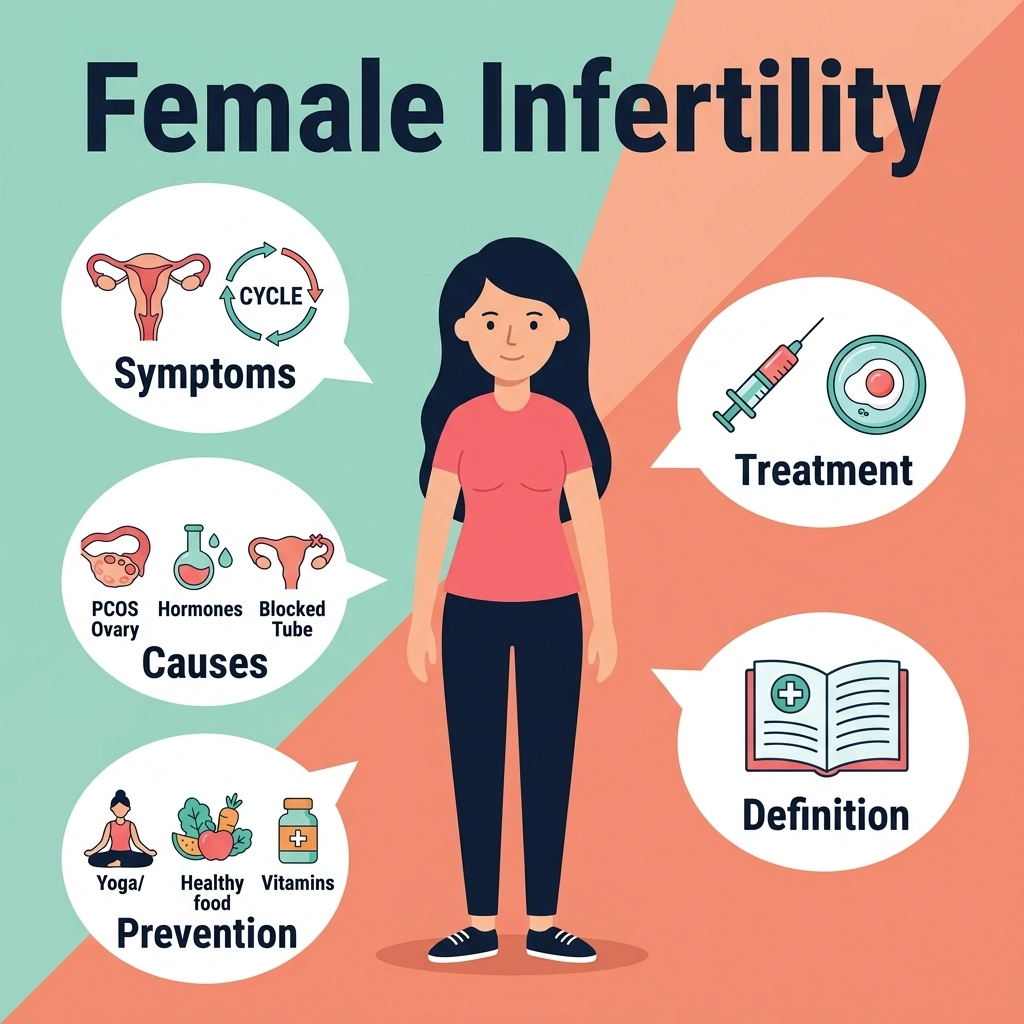
Female infertility refers to a woman’s inability to achieve or sustain a pregnancy despite regular, unprotected intercourse. Common symptoms of female factor infertility include irregular periods, pelvic pain, absent menstruation, and hormonal imbalances that collectively signal disrupted reproductive function. Female infertility causes range from ovulation disorders and tubal blockages to endometriosis, uterine abnormalities, and age-related decline, all of which impair the body’s capacity to conceive. Treatments such as hormone therapy, fertility medications, surgical correction, IUI, and IVF have helped millions of women successfully achieve pregnancy. The effectiveness of any treatment, however, depends on timely diagnosis and expert-guided care.
In India, where female infertility affects a significant portion of the reproductive-age population, identifying the right treatment center is one of the most consequential steps a woman can take. Cities like Mumbai, Delhi, Bengaluru, and Chennai house advanced fertility clinics with experienced reproductive specialists. Fertility Network helps women across India find verified, affordable female infertility treatment centers near them, connecting patients with the right care at every stage of their fertility journey.
What Is Female Infertility?
Female infertility, also known as female factor infertility, is a clinical condition defined as the inability to achieve a spontaneous pregnancy after 12 months of regular, unprotected sexual intercourse in women of reproductive age. According to the Nature Scientific Reports journal and its global burden study published in May 2025, the total number of prevalent female infertility cases surged by 84.4% over a three-decade tracking period, expanding from roughly 59.6 million cases globally to over 110 million affected women. Also, according to the United Nations Population Fund (UNFPA) and its India Insight State of the World Population (SWOP) report released in June 2025, clinical data indicates that female infertility affects an estimated 3.9% to 16.8% of the Indian population
According to Dr. Meghana D Sarvaiya, a practicing obstetrician and gynaecologist, “In female infertility, the common cause which we see today is polycystic ovarian syndrome or PCOS. Other than that, the other problems are (being) elderly or having thyroid problems, excessive weight gain, diabetes, high blood pressure to begin with; all these are common causes of infertility that we see in today’s world.”
Biologically, female infertility occurs when one or more steps in the conception process are disrupted, from ovulation and egg quality to fertilization and implantation. A woman’s reproductive potential is directly tied to egg parameters such as ovarian reserve, oocyte chromosomal integrity, and hormonal balance, all of which are vulnerable to oxidative stress and age-related decline. Fertility assessment typically involves evaluating estrogen levels, FSH and LH dynamics, ovarian reserve markers, and the structural integrity of the uterus and fallopian tubes. The formal medical recognition of female infertility as a distinct reproductive condition accelerated during the mid-20th century, as endocrinology advanced sufficiently to separate female-specific causes of impaired pregnancy achievement from those attributed to male factor infertility or unexplained causes.
How Does Pregnancy Normally Occur?
Pregnancy normally occurs through a series of reproductive processes that involve ovulation, fertilization, and implantation working in precise hormonal coordination. During ovulation, a surge in luteinizing hormone (LH) triggers the release of a mature egg from an ovarian follicle. That egg travels into the fallopian tube, where, if viable sperm are present within the fertile window, fertilization takes place.
The resulting embryo migrates into the uterine cavity over several days and implants into the endometrial lining, establishing a clinical pregnancy. Female infertility has been recognized since ancient times as a condition that disrupts this sequence at one or more points. For example, a hormonal imbalance may prevent ovulation altogether, a blocked fallopian tube may stop the egg from meeting sperm, and structural abnormalities of the uterus may prevent an embryo from implanting successfully, all resulting in the failure to achieve pregnancy despite normal sexual activity.
What Is the History of Female Infertility?
The history of female infertility dates back to ancient civilizations, where Egyptian and Greek texts, including the Hippocratic writings of approximately 400 BCE, attributed a woman’s inability to conceive to supernatural occurrences, uterine displacement, or humoral imbalances. Over subsequent centuries, anatomical understanding slowly replaced mysticism, and in the 17th century, Regnier de Graaf identified ovarian follicles; by the 19th century, the roles of the fallopian tubes and uterus in reproduction were formally established.
Endocrinologists identified the hormonal pathways governing ovulation and developed hormone testing for clinical use by the 1930s. By mid-century, primary infertility and secondary infertility were being studied with scientific rigor, and different types of infertility, including ovulatory, tubal, uterine, and cervical, were systematically categorized. In 1978, the first successful IVF birth achieved by Robert Edwards and Patrick Steptoe permanently transformed the treatment of female infertility. The subsequent decades refined ovulation induction therapy, introduced IUI, and established the global framework for diagnosing and managing the full spectrum of female factor infertility that clinicians use today.
What Are the Types of Female Infertility?
The main types of female infertility are listed below.
- Ovulatory Infertility: Ovulatory infertility refers to the failure of the ovaries to release a mature egg regularly or at all during the menstrual cycle. It is driven by disrupted FSH or LH signaling, hypothalamic dysfunction, or conditions like PCOS that suppress normal follicular development, producing symptoms such as absent or severely irregular periods and making it the most prevalent type of female factor infertility.
- Tubal Infertility: Tubal infertility refers to structural damage or blockage of one or both fallopian tubes that prevents egg transport or fertilization. It occurs when prior infections, pelvic inflammatory disease, or surgical adhesions obstruct the pathway between the ovary and the uterus, physically preventing sperm from reaching the egg or the fertilized embryo from reaching the uterine cavity.
- Uterine Infertility: Uterine infertility is a condition in which structural or functional abnormalities of the uterus impair embryo implantation or pregnancy maintenance. Fibroids, polyps, a septate uterus, or intrauterine adhesions alter the endometrial environment and architecture, producing symptoms such as recurrent miscarriage, abnormal uterine bleeding, and repeated implantation failure during fertility treatment.
- Age-Related Infertility: Age-related infertility refers to the natural and progressive decline in ovarian reserve and oocyte quality as a woman ages beyond her mid-thirties. After age 35, the quantity and chromosomal integrity of remaining eggs decrease substantially, increasing the risk of failed fertilization, early pregnancy loss, and chromosomal abnormalities, a form of infertility that produces no obvious symptoms until active conception attempts reveal its impact.
What Are the Symptoms of Female Infertility?
The symptoms of female infertility include irregular menstrual cycles, pelvic pain, hormonal disturbances, and structural abnormalities that collectively impair a woman’s ability to conceive and carry a pregnancy to term.
- Early Symptoms: Early symptoms of female infertility refer to the initial clinical signs that indicate disruption in normal reproductive function. Early symptoms of female infertility include inability to conceive, irregular periods, pelvic pain, and amenorrhea.
- Physical Symptoms: Physical symptoms of female infertility refer to structural or pathological conditions affecting the reproductive organs. Physical symptoms of female infertility include fibroids, endometriosis, pelvic inflammatory disease, and uterine abnormalities.
- Menstrual Symptoms: Menstrual symptoms of female infertility refer to irregularities in the menstrual cycle that reflect ovulatory or hormonal dysfunction. Menstrual symptoms of female infertility include oligomenorrhea, dysmenorrhea, menorrhagia, and ovulation pain.
- Hormonal Symptoms: Hormonal symptoms of female infertility refer to imbalances in reproductive and endocrine hormones that disrupt ovulation and fertility. Hormonal Symptoms include estrogen deficiency, FSH elevation, LH imbalance, thyroid dysfunction, hirsutism with acne, and PCOS (Polycystic Ovary Syndrome).
What Is the Difference Between Female Factor Infertility and PCOS?
The difference between female infertility and PCOS is that female factor infertility is a broad diagnostic category encompassing any condition that prevents a woman from conceiving, while PCOS is one specific hormonal disorder that can cause infertility as one of its consequences. PCOS is physiologically distinct from other infertility causes because it is defined by a triad of androgen excess, irregular ovulation, and polycystic ovarian morphology, a hormonal syndrome not present in women whose infertility stems from tubal damage, uterine abnormalities, or premature ovarian insufficiency. Importantly, female infertility is sometimes misunderstood as sterility, which leads many women to abandon hope prematurely.
What Is the Difference Between Female Infertility and Female Sterility?
The difference between female infertility and female sterility is that infertility refers to the difficulty or inability to conceive naturally, a condition that is frequently treatable, while sterility refers to a complete and permanent inability to reproduce that cannot be reversed by any medical or surgical intervention. Scientifically, infertility can arise from correctable causes, hormonal imbalances, reversible tubal blockages, responsive ovarian dysfunction, or treatable infections, whereas sterility results from irreversible conditions such as the complete absence of functional ovaries, surgical removal of the uterus, or severe chromosomal anomalies incompatible with reproduction. Understanding the specific causes behind female factor infertility is therefore critically important as it determines whether pharmaceutical treatment, assisted reproduction, or other family-building pathways are clinically viable.
What Are the Causes of Female Factor Infertility?
The causes of female infertility include a broad range of disorders affecting ovulation, the fallopian tubes, the uterus, hormonal regulation, and systemic health — all of which impair one or more stages of the natural conception process.
The causes of female infertility are listed below.
- Ovulation Disorders: Ovulation disorders are conditions in which the ovaries fail to release a mature, viable egg regularly or at all, most commonly caused by disrupted FSH or LH signaling, PCOS, or hypothalamic amenorrhea. The core mechanism involves impaired oogenesis and arrested follicular development, frequently compounded by oxidative stress on granulosa cells and endocrine disruptors that interfere with the pituitary signaling cascade required to trigger ovulation.
- Tubal Factors: Tubal factors refer to structural damage, scarring, or complete blockage of the fallopian tubes that prevents the egg from traveling toward sperm or the embryo from reaching the uterus. They most commonly result from prior pelvic inflammation, chlamydia or gonorrhea infections, or post-surgical adhesions, conditions whose underlying mechanism involves fibrous tissue deposition that physically obstructs the reproductive pathway with varying degrees of severity.
- Uterine Factors: Uterine factors are structural or functional abnormalities within the uterus, including fibroids, polyps, congenital malformations, or intrauterine adhesions, that impair embryo implantation and ongoing pregnancy maintenance. These conditions alter the endometrial architecture and receptivity, while associated hormonal dysregulation involving estrogen or LH further compromises the endometrial lining’s ability to support a developing embryo.
- Endometriosis: Endometriosis refers to the ectopic growth of endometrial-like tissue outside the uterine cavity, triggering chronic pelvic inflammation, adhesion formation, and progressive scarring of reproductive organs. Its infertility mechanism is multifactorial , involving distorted pelvic anatomy, DNA fragmentation in follicles adjacent to endometriotic lesions, altered immune surveillance, and a toxic peritoneal environment that actively impairs both fertilization and implantation.
- Age-Related Factors: Age-related factors describe the progressive and irreversible decline in ovarian reserve, oocyte quality, and chromosomal integrity that accelerates naturally after a woman turns 35. The biological mechanism centers on oogenesis deterioration, mitochondrial dysfunction in aging oocytes reduces energy available for chromosomal segregation, producing increasingly aneuploid eggs that are very uncommon in women under 30 but become a predominant cause of implantation failure and miscarriage after 38.
- Lifestyle Factors: Lifestyle factors refer to modifiable behavioral and environmental influences, including smoking, obesity, excessive alcohol consumption, chronic psychological stress, and exposure to endocrine disruptors in plastics or pesticides, that degrade hormonal balance and egg quality. The mechanism involves oxidative stress-induced damage to oocyte DNA and mitochondria, combined with disruption of the hypothalamic-pituitary-ovarian axis that governs the entire hormonal rhythm of the menstrual cycle.
- Hormonal Disorders: Hormonal disorders are systemic endocrine conditions, including thyroid dysfunction, hyperprolactinemia, congenital adrenal hyperplasia, and insulin resistance, that disrupt the hormonal environment necessary for consistent ovulation and implantation. They impair fertility by dysregulating estrogen, FSH, and LH secretion, creating the kind of hormonal imbalance that prevents the coordinated follicular development and endometrial preparation required for successful conception.
- Infections: Infections refer to bacterial, viral, or parasitic pathogens, most notably chlamydia and gonorrhea, that cause pelvic inflammation and direct structural damage to the reproductive tract when left untreated. Their mechanism of infertility involves ascending infection that leads to tubal scarring, compromised ovarian blood supply, and, in severe chronic cases, irreversible destruction of reproductive anatomy that is very uncommon to fully restore even with surgery.
How Common Is Female Infertility?
Female infertility is very common due to the diverse range of physiological, hormonal, structural, and lifestyle factors that can disrupt reproductive function at any stage of a woman’s reproductive life. According to the Indian Society of Assisted Reproduction (ISAR), infertility affects approximately 10–14% of the Indian population, with female factor infertility responsible for a substantial share of all cases that affect women seeking conception. These numbers are rising alongside increasing rates of PCOS, delayed childbearing, endometriosis, and lifestyle-related hormonal disruption. Globally, the WHO estimates that over 186 million people live with infertility, underscoring that female infertility is not a rare or isolated condition; it is one of the most prevalent reproductive health challenges facing women in both urban and rural India.
How Does Female Infertility Affect Women’s Health and Well-Being?
The ways female infertility affects women’s health and well-being are listed below.
- Psychological Distress: Female infertility causes long-term emotional suffering, including chronic anxiety, depression, grief, and loss of identity that persist well beyond active treatment cycles.
- Hormonal Comorbidities: Underlying conditions like PCOS, thyroid dysfunction, and premature ovarian insufficiency produce lasting metabolic and cardiovascular effects if the root hormonal disorder is left clinically unmanaged.
- Relationship and Social Strain: Infertility places sustained, lasting pressure on intimate relationships, family dynamics, and social belonging — especially in cultures where motherhood is closely tied to a woman’s social identity.
- Physical Deterioration of Reproductive Organs: Progressive conditions like endometriosis and fibroids cause long-term structural damage to the pelvis and uterus when left untreated, compounding infertility over time.
- Social Stigma and Isolation: In many Indian communities, female infertility carries lasting social stigma that affects a woman’s standing, self-worth, and access to emotional support from her family and community network.
- Increased Risk of Long-Term Comorbidities: Women with infertility-related endocrine disorders face a lasting elevated risk of conditions including metabolic syndrome, osteoporosis, type 2 diabetes, and endometrial pathology if their hormonal health is not actively managed.
How Is Female Infertility Diagnosed?
The main ways to diagnose female infertility are listed below.
- Medical History and Physical Examination: A thorough review of menstrual history, prior pregnancies, sexual health, and pelvic anatomy, forming the foundation of early prevention-focused evaluation and directing which diagnostic tests are most appropriate.
- Blood Hormone Tests: Serum testing for AMH, FSH, LH, Estradiol, TSH, and Prolactin to assess ovarian reserve, ovulatory function, thyroid health, and pituitary regulation — the core hormonal panel in any female infertility workup.
- Pelvic Ultrasound: Transvaginal or abdominal ultrasound imaging of the ovaries and uterus to visualize antral follicle count, detect cysts, fibroids, polyps, or structural uterine abnormalities affecting fertility.
- HSG (Hysterosalpingography): A fluoroscopic X-ray procedure using contrast dye injected through the cervix to assess fallopian tube patency and uterine cavity shape, including detection of blockages or congenital abnormalities.
- Sonohysterogram (Saline Infusion Sonography): An ultrasound procedure in which sterile saline is instilled into the uterine cavity to clearly delineate submucous fibroids, endometrial polyps, or intrauterine adhesions not visible on standard ultrasound.
- Laparoscopy: A minimally invasive surgical procedure that provides direct visual inspection of the pelvic organs, allowing diagnosis and often simultaneous treatment of endometriosis, adhesions, or tubal damage not identifiable through imaging alone.
- Hysteroscopy: A procedure in which a thin, fiber-optic camera is passed through the cervix into the uterine cavity to directly visualize and, where clinically indicated, surgically correct intrauterine pathology such as fibroids, polyps, or scar tissue.
How to Prevent Female Infertility?
Preventing female factor infertility includes processes like maintaining hormonal balance, actively managing underlying reproductive conditions, adopting a fertility-supportive lifestyle, and seeking timely medical help before complications become irreversible.
To prevent female infertility, follow the tips listed below.
- Maintain a Healthy Body Weight: Sustaining a body weight within the normal BMI range through balanced nutrition and moderate physical activity stabilizes estrogen and androgen levels, reduces insulin resistance, and supports regular ovulation, lowering the risk of PCOS-driven anovulatory infertility in women of all ages.
- Avoid Smoking and Limit Alcohol: Eliminating tobacco use and restricting alcohol consumption reduces oxidative stress on ovarian follicles, preserves oocyte DNA integrity, and protects ovarian reserve from premature depletion that accelerates age-related fertility decline.
- Diagnose and Manage Chronic Conditions Early: Treating conditions like PCOS, thyroid dysfunction, and endometriosis as early as possible prevents the progressive structural and hormonal damage these disorders inflict on the reproductive system, preserving both natural conception potential and ART outcomes.
- Practice Safe Sexual Health: Using barrier contraception consistently and treating sexually transmitted infections promptly prevents the ascending pelvic infections that lead to tubal scarring, PID, and permanent damage to the fallopian tubes and ovaries.
- Track and Monitor Menstrual Health: Regularly recording cycle length, flow, and any mid-cycle symptoms allows early detection of irregularities pointing to ovulatory dysfunction or hormonal imbalance, enabling proactive medical help before minor disruptions escalate into established infertility.
- Minimize Exposure to Environmental Toxins: Reducing daily contact with endocrine disruptors found in BPA-lined plastics, pesticide-treated produce, and certain synthetic cosmetics protects the hypothalamic-pituitary-ovarian axis from chemical interference that suppresses normal hormonal cycling.
- Undergo Periodic Fertility Screenings: Women over 30, or those with a family history of early menopause or ovarian conditions, benefit from periodic AMH and antral follicle count assessments that provide advance warning of declining ovarian reserve before it reaches a clinically critical threshold.
When to Seek Medical Help for Female Infertility?
Seek medical help for female infertility when a woman under 35 has been trying to conceive for 12 months without success, or after just 6 months if she is over 35, as declining ovarian reserve at this age means that delay directly reduces the likelihood of treatment success. A gynecologist, reproductive endocrinologist, or fertility specialist should be consulted without waiting for these thresholds when symptoms such as severe pelvic pain, complete absence of menstrual periods, highly irregular cycles, visible signs of hormonal imbalance such as unexplained hair growth or acne, or a known history of pelvic surgery or sexually transmitted infections are present.
These symptoms signal an active underlying condition that, if left unaddressed, becomes a permanent obstacle to natural conception as structural or hormonal damage compounds over time. Early evaluation allows a reproductive endocrinologist to identify and treat reversible causes at the stage where intervention yields the best clinical outcomes.
Can Female Infertility Be Permanent?
Yes, female infertility can be permanent when the underlying cause involves an irreversible loss of functional ovarian tissue or an unrestorable disruption of reproductive anatomy. Severe genetic conditions such as Turner syndrome result in non-functional or absent ovaries that no treatment can restore. Advanced, untreated endometriosis can destroy ovarian tissue to the extent that surgical repair yields no viable follicles.
Chronic or repeated pelvic inflammatory disease can cause such extensive tubal scarring that surgical reconstruction is no longer anatomically feasible. Age-related infertility becomes effectively permanent at menopause, when ovarian follicle reserves are naturally and irreversibly exhausted. In each of these scenarios, starting treatment early, before structural damage progresses to its terminal stage, is the single most important determinant of whether fertility can be preserved or restored. Women who delay seeking care for recognized conditions risk reaching a threshold beyond which even advanced assisted reproductive technology offers limited or no recourse.
What Are the Treatments for Female Infertility?
The treatments for female infertility include lifestyle modifications, natural remedies, hormone therapy, surgical treatment, assisted reproductive technology (IUI and IVF), and fertility medications tailored to the underlying cause, age, and reproductive health status.
The treatments for female infertility are listed below.
- Lifestyle Modifications: Lifestyle modifications are evidence-based behavioral interventions, including structured dietary changes, targeted weight management, stress reduction, and the elimination of harmful habits, that restore hormonal balance and improve ovulatory function. They work by reducing insulin resistance and androgen excess in women with PCOS, lowering systemic oxidative stress, and improving uterine and ovarian blood flow, making them a foundational first-line approach for women whose infertility has metabolic or lifestyle-related contributors.
- Natural Remedies: Natural remedies are complementary approaches, including inositol supplementation for PCOS, coenzyme Q10 for mitochondrial support in aging oocytes, acupuncture, and nutritional optimization, that support reproductive function without replacing clinical treatment. When used under a doctor’s supervision alongside conventional care, select natural interventions have demonstrated meaningful improvement in ovulatory regularity, egg quality markers, and hormonal balance in peer-reviewed research.
- Hormone Therapy: Hormone therapy refers to the medically supervised administration of hormones, including estrogen, progesterone, FSH, and hMG (human menopausal gonadotropin), to correct deficiencies, stimulate follicular development, or prepare the uterine lining for embryo implantation. It is the primary evidence-based medical treatment for women with hormonal disorders, inadequate ovarian stimulation response, or luteal phase defects that prevent sustained early pregnancy.
- Surgical Treatment: Surgical treatment involves minimally invasive or open operative procedures, including laparoscopic removal of fibroids, excision of endometriosis, reconstruction of damaged fallopian tubes, or hysteroscopic correction of intrauterine abnormalities, designed to restore normal pelvic anatomy. Surgery is most appropriate and effective when a specific, correctable structural barrier to conception has been identified through diagnostic imaging or endoscopic evaluation.
- Assisted Reproductive Technology (ART): Assisted Reproductive Technology refers to advanced fertility procedures, most notably IVF (in vitro fertilization) and IUI (intrauterine insemination), that facilitate conception when natural methods are no longer viable. In IVF, hormonal stimulation prompts multiple follicles to develop, followed by egg retrieval under sedation, laboratory fertilization, and embryo transfer; IUI places washed, concentrated sperm directly into the uterine cavity. Both are evidence-based, widely practiced procedures with well-established success rates across a broad range of infertility diagnoses.
- Fertility Medications: Fertility medications are pharmacological agents, including clomiphene citrate, letrozole, FSH injections, and hMG, prescribed under close doctor supervision to stimulate ovulation, regulate the hormonal cycle, or support endometrial preparation for embryo transfer. As the first-line treatment for ovulatory infertility, they require careful titration against FSH baselines and regular ultrasound monitoring to optimize egg retrieval outcomes and minimize the risk of ovarian hyperstimulation syndrome.
Is Checking With a Doctor Necessary Before Taking Female Infertility Medications?
Yes, checking with a doctor is necessary before taking female infertility medications because these agents directly manipulate the hypothalamic-pituitary-ovarian hormonal axis and carry significant risks, including ovarian hyperstimulation syndrome, multiple gestations, and systemic hormonal side effects that require qualified medical oversight to detect and manage safely. Before initiating any treatment, a doctor evaluates the root cause of infertility, baseline hormone levels including FSH, LH, estrogen, AMH, and TSH, ovarian reserve, uterine anatomy, and overall health to determine which medication is appropriate and at what dose.
Throughout the treatment cycle, serial ultrasound monitoring and repeat hormone testing allow dose adjustments that maximize follicular response while protecting patient safety. Self-administering fertility medications without medical evaluation not only risks serious complications but frequently results in ineffective treatment directed at a misdiagnosed or incompletely assessed cause. So, all female infertility treatment must be guided by a qualified reproductive specialist from the outset.
What Are the Best Locations in India for Female Infertility Treatment?
The best locations in India for female infertility treatment include major metropolitan cities and state capitals that house internationally accredited fertility hospitals, experienced reproductive specialists, and advanced ART laboratory infrastructure capable of delivering high-quality, evidence-based care.
The best places in India for female infertility treatment are listed below.
- Mumbai, Maharashtra: Mumbai is one of India’s foremost cities for female infertility treatment, home to internationally accredited fertility centers with high IVF success rates, state-of-the-art embryology laboratories, and experienced reproductive endocrinologists across both premier private hospitals and mid-tier clinics.
- Delhi and NCR, Delhi: Delhi and the National Capital Region host some of India’s most established fertility hospitals and reproductive medicine centers, offering comprehensive diagnostic services, advanced ART, and multidisciplinary reproductive care spanning both government-subsidized and premium private sectors.
- Bengaluru, Karnataka: Bengaluru has emerged as a leading hub for female infertility care in South India, with several internationally recognized fertility centers offering advanced technologies including preimplantation genetic testing, egg IVF, and highly individualized hormonal stimulation protocols.
- Chennai, Tamil Nadu: Chennai’s fertility hospitals are well-regarded for their evidence-based clinical protocols and experienced reproductive surgeons, with multiple cities across Tamil Nadu offering quality IVF, IUI, and laparoscopic treatment for endometriosis and tubal infertility at varying cost points.
- Hyderabad, Telangana: Hyderabad is a rapidly growing center for reproductive medicine, with fertility hospitals across Telangana providing advanced diagnostic services, laparoscopic and hysteroscopic surgery, and comprehensive ART options at comparatively accessible costs relative to India’s largest metros.
- Kolkata, West Bengal: Kolkata and other cities across West Bengal offer increasingly reliable infertility care through established reproductive centers, making this region a practical and well-equipped option for women in eastern India seeking specialized female factor infertility diagnosis and treatment.
How Much Does Female Infertility Treatment Cost in India?
In India, female infertility treatment costs between ₹15,000 for basic treatment and up to ₹5,00,000+ for advanced treatment, depending on the procedure type, the city, the hospital tier, and the complexity of the individual’s infertility diagnosis. Basic interventions, including hormonal blood panels, follicle monitoring, ovulation induction, and IUI, typically fall in the lower range of ₹15,000 to ₹80,000.
When it comes to advanced procedures such as IVF, surgical correction of fibroids or tubal damage, and other specialized fertility treatments, costs can extend from ₹1,50,000 to ₹5,00,000 or beyond, particularly at premium fertility centers in Mumbai, Delhi, or Bengaluru. Cost differences are also shaped by whether care is delivered at a government hospital, a mid-tier private clinic, or a nationally recognized fertility hospital with advanced ART capabilities. Affordable options are available across India, particularly in Tier 2 and Tier 3 cities, and through government-assisted fertility programs in states including Maharashtra, Gujarat, Andhra Pradesh, and Tamil Nadu.
Finding the most appropriate and cost-effective care, however, requires knowing where to look, and that is where Fertility Network makes a direct difference. Fertility Network is an online platform that connects women across India with verified, affordable female infertility treatment centers near them. We help patients match their medical needs and budget with the right specialist, wherever they are in the country.
How Is Female Infertility Different from Other Types of Infertility?
Female infertility is different from other types of infertility in a way that it is exclusively caused by conditions affecting the female reproductive system, including disorders of ovulation, fallopian tube function, uterine anatomy, and female-specific hormonal regulation, rather than sperm-related parameters, which define male factor infertility, or combined factors, which characterize unexplained infertility. The primary distinction between female infertility and other types of infertility is that female factor infertility arises from causes unique to ovarian biology, tubal integrity, uterine receptivity, and physiological domains with no counterpart in male reproductive medicine and requiring entirely different diagnostic approaches.
Its unique symptoms and characteristics include a cyclical nature deeply intertwined with the menstrual cycle, its dependence on coordinated multi-organ hormonal synchrony across the hypothalamic-pituitary-ovarian axis, and the specific diagnostic testing and evaluation methods it requires, including AMH measurement, pelvic sonography, and direct endoscopic assessment. Understanding these distinctions reinforces why early prevention, proper treatment selection, finding the right place for evidence-based treatment, and managing costs all depend on expertise specifically aligned with the female reproductive system and why women deserve care that treats infertility as the distinct medical specialty it is.

Fathima Zahra is a reproductive health content specialist at FertilityNetwork.in — India’s largest independent fertility clinic directory and patient education platform.
Fathima’s work covers the full spectrum of reproductive medicine, from foundational biology to advanced fertility treatment. Her published articles span reproductive anatomy (ovaries, uterus, fallopian tubes, testes), core reproductive processes (ovulation, fertilization, implantation, the menstrual cycle), reproductive hormones (estrogen, progesterone, testosterone, FSH, LH, AMH, and prolactin), and the clinical conditions that cause infertility in both men and women.
On the male side, her research covers conditions including azoospermia, oligospermia, asthenozoospermia, teratozoospermia, varicocele, erectile dysfunction, Klinefelter syndrome, and Y chromosome microdeletion. On the female side, she writes about PCOS, endometriosis, uterine fibroids, anovulation, diminished ovarian reserve, premature ovarian insufficiency, tubal blockage, pelvic inflammatory disease, and Turner syndrome.
Her treatment coverage includes intrauterine insemination (IUI), in vitro fertilization (IVF), intracytoplasmic sperm injection (ICSI), egg retrieval, embryo transfer, egg freezing, sperm freezing, and oncofertility — providing patients with detailed, process-level understanding of each procedure, its clinical indications, success rates, and costs.
Every article Fathima publishes follows a structured, evidence-based research methodology:
1. Source verification against ICMR (Indian Council of Medical Research) national fertility and ART guidelines
2. Cross-referencing with ESHRE (European Society of Human Reproduction and Embryology) clinical protocols
3. Alignment with ASRM (American Society for Reproductive Medicine) evidence-based practice guidelines
4. Citation of PubMed-indexed, peer-reviewed studies published within the last 5 years
5. Verification of all diagnostic thresholds, hormonal reference ranges, and clinical statistics against current international standards
All content authored by Fathima undergoes editorial review by the FertilityNetwork Medical Research Board before publication, ensuring clinical accuracy and factual integrity across every article published on the platform.
Fathima’s content is editorially independent. FertilityNetwork.in does not publish sponsored medical opinions, and no article is written to promote specific clinics, doctors, or fertility treatments.
Leave a Reply